
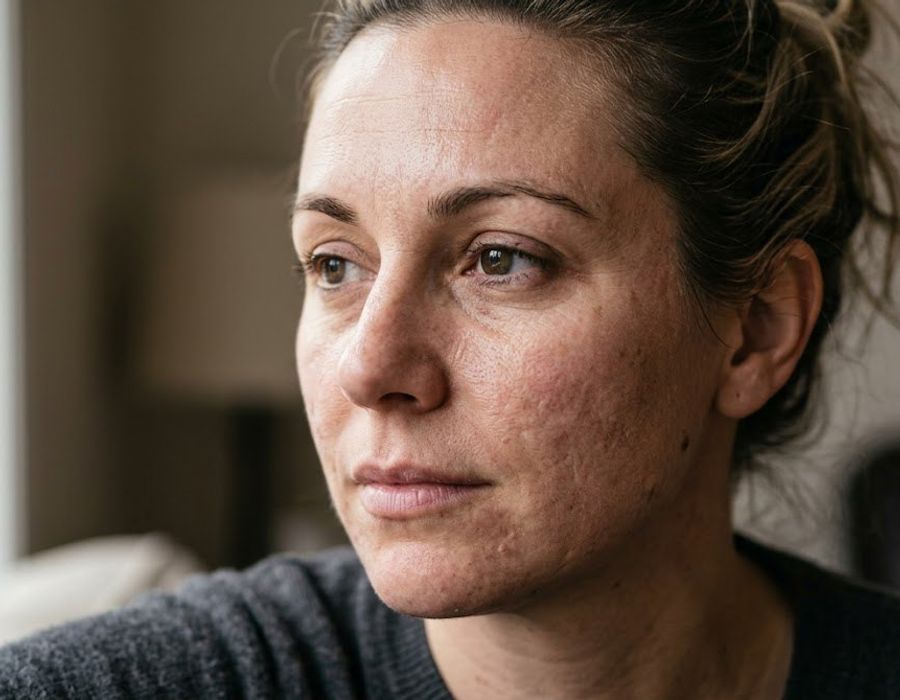
Some treatments sound dramatic until you understand what they actually do. Others sound simple, then get confusing the second terms like platelet-rich plasma and growth factors show up.
So let’s make this easy. You will see how regular microneedling works, how PRP fits in, and where Boujee Nurse in Denver helps people choose without the pressure.
Understanding Cosmetic Skin Rejuvenation Options
If you are comparing microneedling with or without PRP, start here.
These are not two completely different worlds. They are closely related two treatments. One is the core procedure. The other adds a biologic component meant to support repair and rejuvenation.
The Mechanics of Standard Microneedling
Microneedling is a cosmetic skin treatment that uses very fine needles to create tiny punctures across the skin’s surface. Those controlled micro-injuries in the skin trigger the body’s healing response.
Think about it this way.
Your skin sees those micro-channels and gets to work rebuilding. That process can stimulate collagen production, improve skin texture, and soften a wrinkle, enlarged pore, and mild scar over time.
Standard microneedling, sometimes called collagen induction therapy, relies on creating controlled micro-injuries with a medical-grade device.
In many protocols, providers use needles to create 250 to 300 pricks per square centimeter until there is uniform pinpoint bleeding. Devices are often described as having 192 needles, 0.25 mm diameter, and 2.0 mm length.
That sounds intense, but microneedling takes less nerve than most people expect because numbing cream is usually applied first.
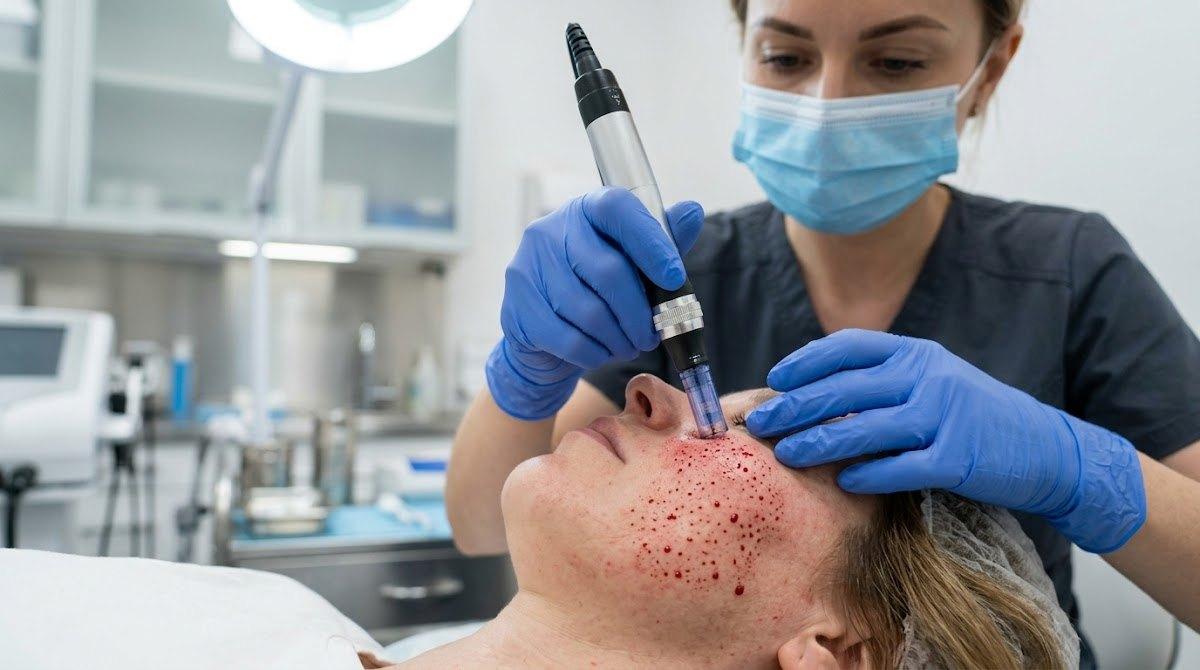
Here’s why it gets attention. By targeting the reticular dermis and supporting regeneration, traditional microneedling has been associated with a 400% rise in collagen and elastin after six months. That matters for rejuvenation, elasticity, and improvement in skin quality.
It is also versatile. Microneedling can help with:
- fine lines
- acne scars
- enlarged pore appearance
- superficial pigmentation
- uneven skin tone
- burn-related scar changes
- alopecia
- sagging skin
Another plus? Standard microneedling is considered safe across skin types when performed properly. That is a big deal in cosmetic surgery and skin rejuvenation, where not every treatment works well for every tone.
If you want a closer look at how microneedling works in practice, Boujee Nurse offers treatment details and consultation guidance.
Elevating the Treatment With a PRP Injection or Topical Serum
PRP is a platelet-rich plasma concentrate made from a small sample of your blood. PRP typically is derived from your own blood, which helps keep the risk of allergic reaction low.
The process is straightforward.
A provider performs a blood draw, places the sample in a tube, and it is spun in a centrifuge. This separates and concentrates the platelet portion of the plasma, often to 4 to 7 times above normal levels.
That concentrated platelet-rich material contains growth factors that stimulate tissue repair. These include:
- PDGF
- TGF-alpha and TGF-beta
- FGF
- VEGF
Those growth factors can stimulate healing in the deeper layers after microneedling by helping the skin respond to the microchannel network created by microneedling.
Historically, this add-on was often delivered as a PRP injection or intradermal injection after the needling pass. Today, many providers prefer PRP with microneedling that is applied topically as a serum so it can penetrate the microchannels created during treatment.
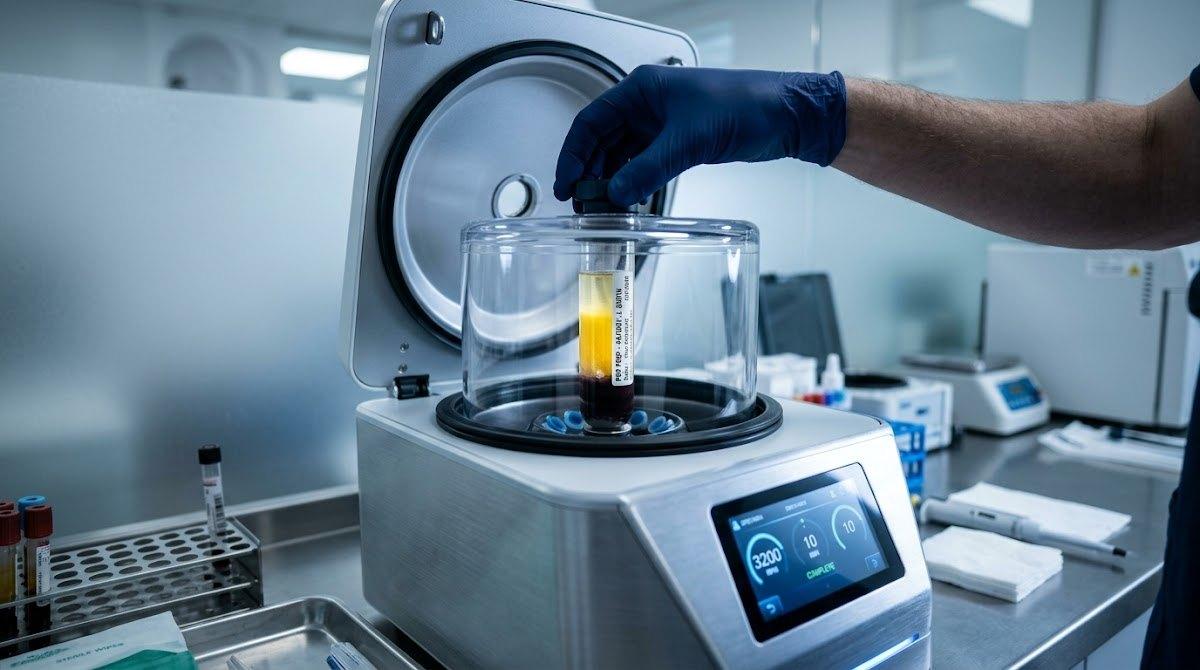
That is the basic promise behind microneedling with PRP. You create controlled micro-injuries, then place a concentrated biologic solution over the area to support absorption into the deeper layers.
Some people call this PRP microneedling. Others know it as microneedling and PRP injections, even though modern application often avoids the extra injection step.
You may also see it marketed as a PRP facial. Whatever the label, the concept is the same: standard microneedling plus concentrated plasma intended to boost repair.
Clinical Data: Microneedling With or Without PRP
This is where the conversation gets more interesting.
Marketing language around the benefits of PRP can sound absolute. Clinical data is less dramatic. And that matters when you are deciding whether the higher price is justified.
Comparing Efficacy: PRP vs Regular Treatments for Acne Scars
A split-face clinical study looked at 36 patients with a mean age of 23.7. Each patient received four monthly sessions, with one side treated by microneedling with PRP and the other by regular microneedling.
That design is useful because each person serves as their own comparison.
The headline result was smaller than many people expect. Total scar reduction was 40% on the PRP side and 37% on the regular side. The difference was not statistically significant, with P=0.094.
The ECCA score told a similar story. Scores dropped 29% with PRP and 26% with standard treatment.
In plain English, PRP vs regular did not show a meaningful edge in that rigorous study.
The study included common acne scars types:
- boxcar scars at 39%
- icepick scars at 34%
- rolling scars at 27%
So, is PRP useless? Not necessarily. But if someone promises dramatic superiority every time, the data does not fully back that up.
Does PRP Microneedling Deliver the Best Results?
Here’s the nuance.
Some older and mixed-result studies suggest PRP may help more when used in certain ways. For example, intralesional PRP combined with microneedling showed 62% improvement compared with 45.8% using distilled water. Another trial found intradermal PRP with microneedling reached 70.43% improvement versus 39.71% for microneedling alone.
Why the gap between studies?
Application method may matter. A PRP injection may behave differently than PRP applied topically. Depth matters too. So do baseline skin concerns, scar pattern, and treatment intensity.
That is why the answer to microneedling vs PRP is rarely universal.
For some people, especially those focused on a stubborn scar pattern or photoaging, PRP with microneedling may enhance results enough to justify the cost. For others, regular microneedling may already deliver the best results without paying for an add-on that changes little.
This is also where expectations need a reset. PRP is not cosmetic surgery. It will not replace a lift for major sag or erase deep textural damage overnight. It is better viewed as a support treatment intended to boost a natural healing response.
Investment and Recovery: Evaluating the Value
Now for the practical part.
Because even a great treatment has to make sense on paper, on your calendar, and in real life.
The Financial Investment of Microneedling With PRP
Standard microneedling is usually the more accessible option. Sessions often fall between $300 and $475.
Add PRP, and the price climbs fast. PRP microneedling commonly ranges from $750 to $1,500 per session.
Most plans involve three to six sessions spaced weeks apart. That puts a full PRP series around $2,250 to $4,500.
For many people, that is the real question. Not whether PRP works at all, but whether the extra spend buys enough visible change.
If your main goal is general skin rejuvenation, softer fine lines, more radiance, and an even tone, regular microneedling treatments may be enough. If your skin needs are more complex, the upgrade may deserve a closer look.
Recovery Timeline and Comparison Summary
The good news is downtime is similar either way.
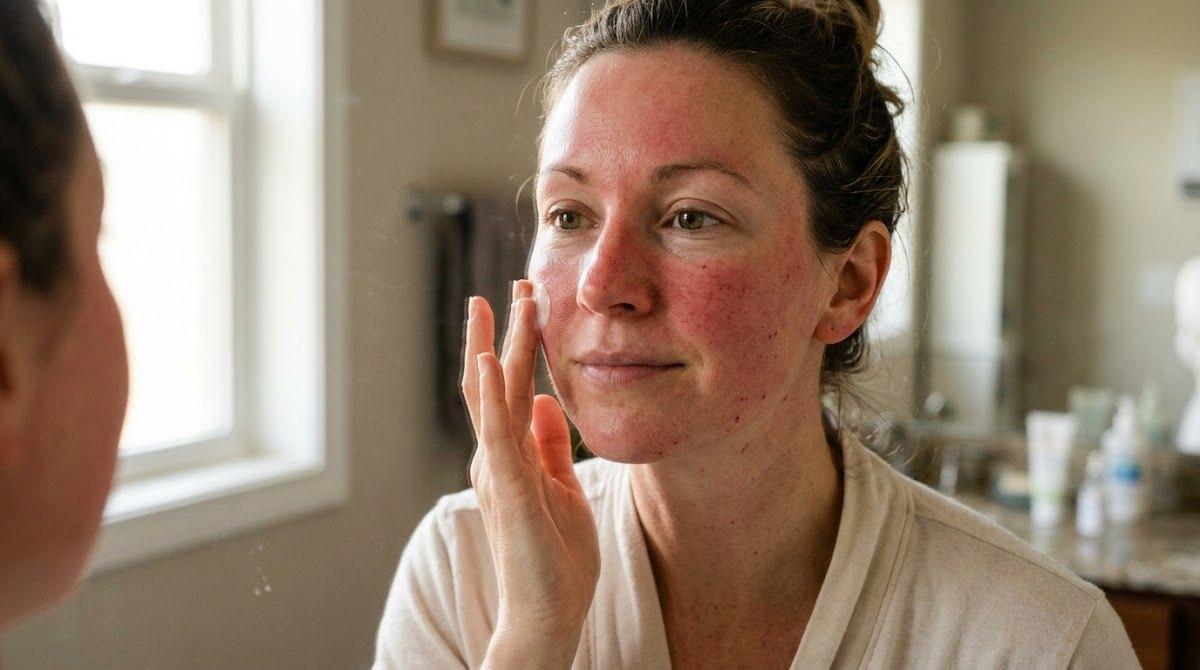
Most people see redness or mild swelling after treatment. Erythema often lasts about one day. Edema can last two to three days. Whether you choose standard microneedling or microneedling with PRP, aftercare usually stays the same.
Expect the usual rules:
- wear sunscreen
- avoid exfoliants and alcohol-based products
- skip heat and heavy sweating for at least 72 hours
Here is the side-by-side summary.
| Aspect | PRP Microneedling | Standard Microneedling |
|---|---|---|
| Acne Scar Efficacy | 40% scar reduction; 29% ECCA reduction | 37% scar reduction; 26% ECCA reduction |
| Cost Per Session | $750 – $1,500 | $300 – $475 |
| Sessions Needed | 3 to 6 | 3 to 6 |
| Downtime | Erythema 1 day, edema 2 to 3 days | Erythema 1 day, edema 2 to 3 days |
| Risk Profile | Minimal added risk; autologous/natural | Minimal risk; rare infection if non-sterile |
Finding the Best Approach at Boujee Nurse Denver
This is where personalized planning matters more than hype.
At Boujee Nurse, the right choice depends on your skin concerns, goals, budget, and how aggressive you want your skin rejuvenation plan to be. Some people do very well with standard microneedling. Others benefit from PRP, especially when looking for a boost in healing support and youthful-looking refinement.
A thoughtful consultation should look at more than one buzzword. It should consider pore appearance, skin texture, pigmentation, photoaging, possible sag, and whether your cosmetic goals call for a simpler path before discussing cosmetic surgery alternatives or add-ons.
If you want help comparing options, booking a consultation is the easiest next step.
Frequently Asked Questions About PRP Microneedling Vs Microneedling
Is microneedling still effective without PRP?
Yes. Standard microneedling can stimulate collagen, improve skin texture, and soften mild scar concerns without PRP.
Is 40 too old for microneedling?
No. Microneedling is often used for fine lines, wrinkle concerns, and skin rejuvenation at 40 and beyond.
Does PRP really help with microneedling?
Sometimes. PRP may help, but microneedling with or without PRP can both produce solid results.
What is the downside of PRP?
Cost is the main downside. A blood draw is also required, and the added benefit is not always dramatic.
Should I do PRP or microneedling?
Choose based on your goals, budget, and skin needs. For many, regular microneedling is enough.