

You're standing in front of the mirror, frustrated with stubborn acne scars that won't fade. Or maybe fine lines have started appearing faster than you'd like. Two treatments keep coming up in your research: microneedling and chemical peels.
But which one actually delivers results for your skin? Let's break down the science, the recovery, and the real-world outcomes so you can make a confident choice.
Understanding the Basics of Microneedling vs Chemical Peel
The Science Behind Microneedling
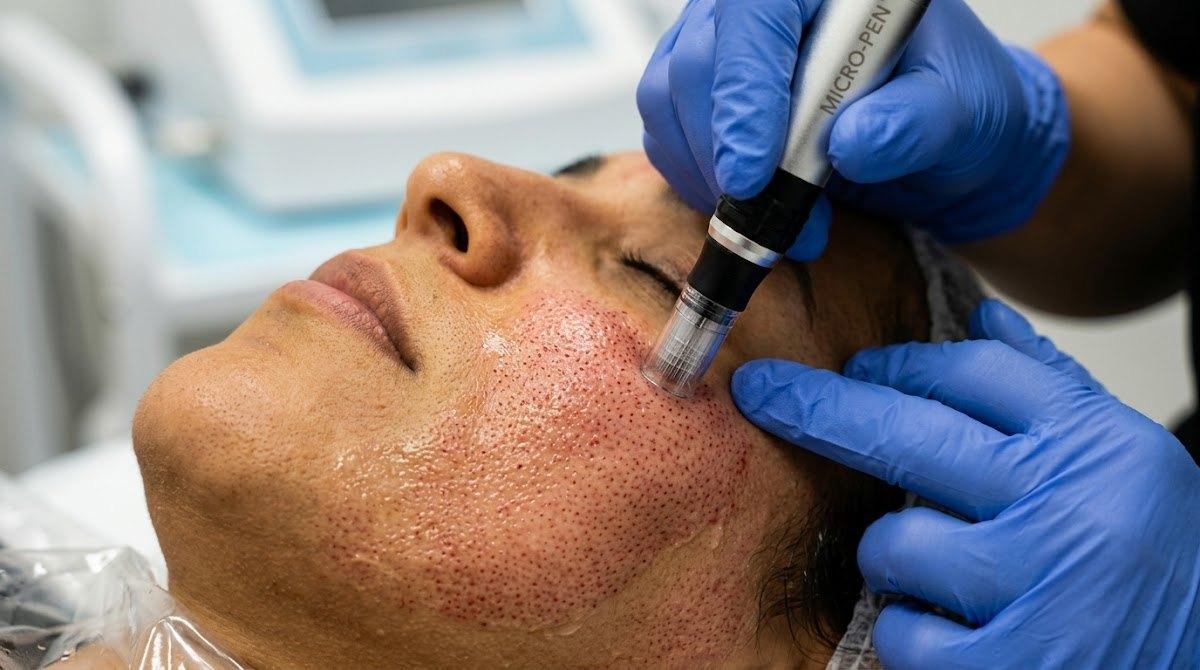
Microneedling is a collagen-induction therapy that uses surgical-grade needles to create controlled micro-injuries in the skin. Think of it as sending a signal to your body that says "time to rebuild."
The microneedling device creates thousands of tiny punctures in the top layer of skin. These micro-channels in the skin trigger your natural healing process, which significantly boosts collagen and elastin production. Your body responds by flooding the treatment area with growth factors and fresh collagen.
Here's what makes microneedling particularly clever. Professional microneedling pierces the epidermis while keeping it partially intact. This makes it a safe, progressive therapy that rebuilds skin from the inside out.
Want even better results? Microneedling can be used with Platelet-Rich Plasma applied during the procedure. When PRP is left on the skin for 24 hours after treatment, it accelerates healing and amplifies results dramatically.
How Chemical Peels Work to Resurface the Skin
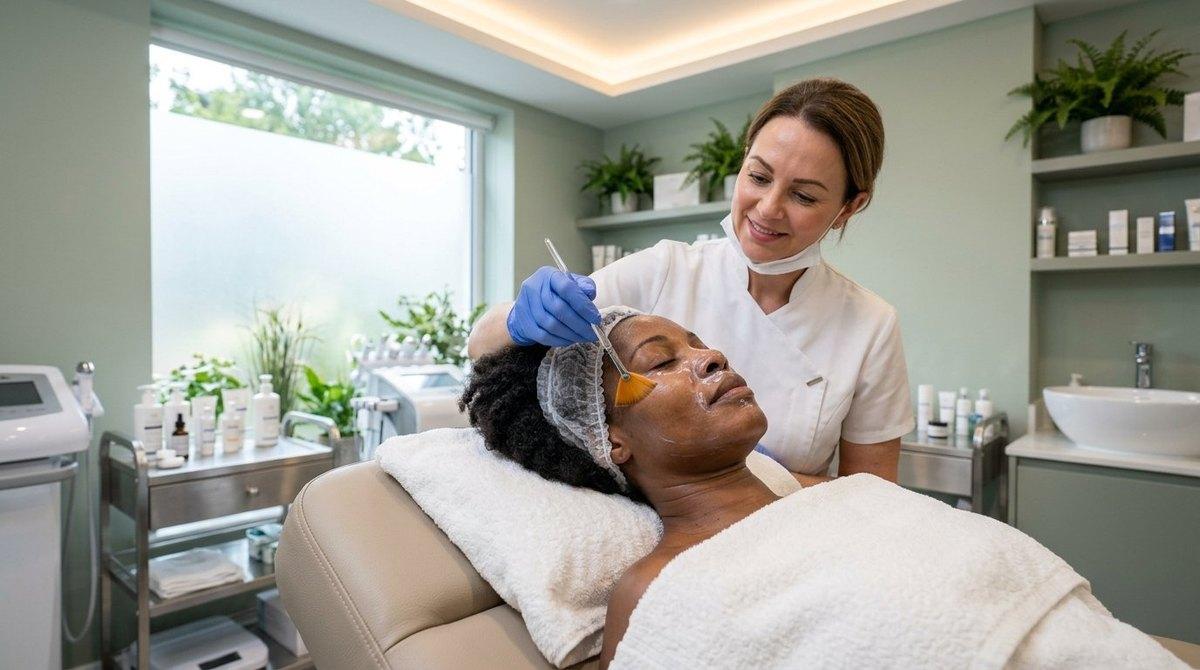
A chemical peel is like a reset button for your complexion. Chemical peels work by using acidic solutions such as AHA, BHA, Jessner's, or TCA to cause controlled exfoliation.
The chemical solution chemically reacts with skin cells to remove dead cells and excess oil. This forces the outer layers of skin to peel away, revealing a fresh new layer of skin underneath. Chemical peels involve applying the acid carefully after protecting sensitive areas with petroleum jelly.
The type of chemical peel matters enormously. Depths vary based on acid concentration:
- Superficial/Light: Uses 35% to 70% glycolic acid targeting only the epidermis. A light chemical peel works best for hydration and minor breakouts.
- Medium: TCA peels penetrate the papillary dermis. Medium chemical peels address deeper wrinkles and severe hyperpigmentation.
- Deep: A deep peel reaches the mid-reticular dermis. Deep chemical peels handle the deepest wrinkles and precancerous growths.
Addressing Specific Skin Concerns: Microneedling vs Chemical
The Best Approaches to Treat Acne Scars
Acne vulgaris affects 50 million Americans annually, with severe atrophic scars impacting 12% to 14% of patients. Those stubborn indentations and textured marks can feel permanent.
They're not.
Atrophic scars occur at a 3:1 ratio compared to hypertrophic scars. Common types include icepick, rolling, and boxcar scars. Each responds differently to treatment.
Microneedling works exceptionally well for the appearance of scars. A clinical trial demonstrated a 73.33% success rate achieving greater than one grade of improvement in treating atrophic scars. That same study showed only a 33.33% success rate using a 35% glycolic acid peel.
The numbers tell a clear story. Microneedling induces deep collagen production that fills in scar tissue over time. It proved exceptionally effective for rolling scars, working in 7 out of 11 cases.
However, certain chemical peels have their place. Medium peels using TCA are often required to treat acne scars with deep icepick formations. Sometimes chemical peels can also treat surface-level scarring more efficiently than other methods.
Targeting Anti-Aging, Texture, and Discoloration
Both modalities effectively address fine lines, uneven skin texture, enlarged pores, and sun damage. But they shine in different areas.
Microneedling excels at treating deeper discoloration like melasma. It provides overall skin tightening and firmness by stimulating collagen and elastin production deep within the layers of skin.
The appearance of wrinkles diminishes as new collagen fills in lines and wrinkles from below the surface of the skin.
Superficial peels offer quick solutions for different concerns. They're excellent for clearing active acne outbreaks, resolving surface-level dark spots, treating freckles, and brightening overall skin tone. Superficial chemical peels address dullness almost immediately.
Chemical peels may work faster for surface concerns. Microneedling works better for structural skin issues requiring deeper intervention. Peels and microneedling each have distinct strengths when targeting fine lines and wrinkles versus moderate wrinkles.
Determining Which Treatment Is Right Based on Skin Type
Safety Considerations for Fitzpatrick Skin Types
Your skin type dramatically impacts which treatment is right for you. Microneedling is safe for all skin types and tones.
Fitzpatrick Skin Types I through VI can all benefit without significant risk. Because microneedling leaves the epidermis largely intact, there's virtually no risk of hyperpigmentation in darker skin.
Chemical peels tell a different story. Superficial and medium depths are generally safe for lighter tones. Lighter peels rarely cause problems. But deeper formulations carry significant risk of post-inflammatory hyperpigmentation and dyspigmentation in darker skin types.
For those with FST IV-VI, deeper peels might cause more harm than good. The risk of lasting discoloration makes careful selection essential.
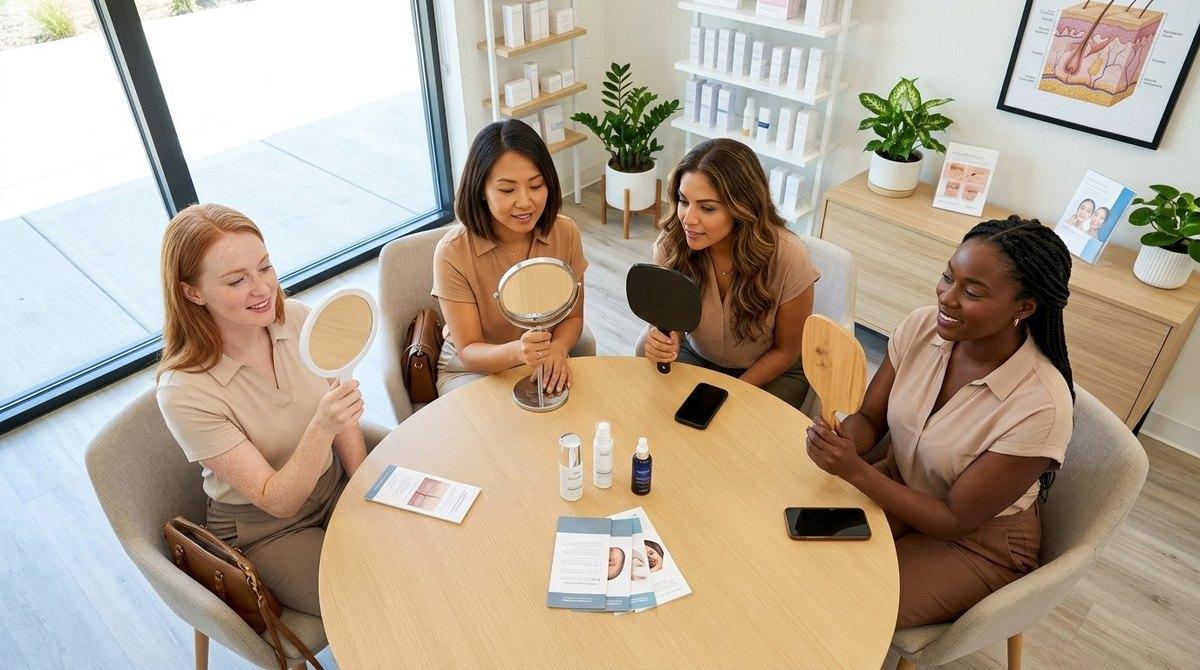
A professional aesthetic assessment matches procedure depth to your specific skin condition and sensitivity profile. You shouldn't choose between microneedling and chemical peel treatments without understanding how your skin will respond.
This is why a consultation matters so much. Acid peels that work beautifully on one person can devastate another's complexion.
The Procedure Experience: Microneedling or a Chemical Peel
Comparing Procedures, Costs, and Sessions
Both treatments require consistent sessions to achieve optimal results. One treatment rarely transforms your skin. Plan for multiple visits.
Microneedling Protocol: Microneedling sessions take less than an hour. A topical numbing cream gets applied one hour before treatment begins. Most people need 3 to 6 treatments spaced 2 to 6 weeks apart. Peak results appear 4 to 6 weeks after each session as collagen production reaches full capacity.
Chemical Peel Protocol: Chemical peel treatments follow a different rhythm. Solutions penetrate the top layer of skin at varying speeds depending on concentration. Superficial series may be performed every 2 weeks. A typical 12-week series of treatments includes 6 sessions.
Costs generally start at $300 per session. Pricing scales upward depending on required depth, clinic location, or additions like PRP. Certain chemical peel concentrations cost more due to complexity. A deep chemical peel requires specialized expertise and monitoring.
Downtime, Pain, and Recovery Profiles
Here's where the differences become obvious.
Microneedling features almost zero true downtime. Patients typically experience 2 to 3 days of mild redness. That's it. You might look slightly flushed, but you can return to normal activities quickly. The numbing cream applied beforehand keeps discomfort minimal during treatment.
Chemical therapies involve a distinct visible peeling phase. Deeper peels require significantly more recovery time than lighter options. Superficial applications require 3 to 7 days of recovery. The peel goes through stages as dead skin cells shed to reveal new skin underneath.
Post-care matters equally for both approaches. Strict sun protection becomes non-negotiable. Temporary avoidance of active skincare ingredients like retinoids helps skin heal properly. Consistent moisturization supports the natural healing process and prevents complications.
Skip the aftercare? You'll compromise results and potentially damage your skin.
Combining Microneedling and Chemical Peels for Optimal Results
Strategic Layering for Maximum Rejuvenation
Why choose when you can combine microneedling and chemical peels strategically?
These treatments should never happen in the exact same session. Simultaneous application is painful and counterproductive to healing. Your skin needs time between interventions.
The optimal protocol works like this: Perform the exfoliation treatment first to clear dead surface skin. Wait 4 to 6 weeks for complete healing. Then follow up with collagen-induction therapy.
The results speak for themselves. Clinical data indicates that combining these modalities yields a 62% overall improvement in skin texture. Using either alone? Just 31% improvement.
That's nearly double the results from strategic layering.
Chemical peels address surface concerns and clear away damaged cells. Then microneedling penetrates deeper layers of the skin to stimulate lasting structural improvements. Together, chemical peels and microneedling complement each other perfectly.
Some practitioners also recommend laser treatments between sessions for specific skin issues. Peels offer surface renewal while microneedling rebuilds from within. The combination tackles every layer effectively.
Booking Your Consultation: Microneedling or Chemical Peels?
Making the Final Decision for Your Skin
There's no single universally "better" treatment. The ideal choice depends entirely on your cellular depth concerns and aesthetic goals.
Consider this breakdown before you schedule a consultation:
| Aspect | Microneedling | Chemical Peels |
|---|---|---|
| Primary Mechanism | Micro-injuries trigger native collagen & elastin | Acidic exfoliation promotes rapid new skin growth |
| Treatment Depth | Dermal (targets deeper scars, structural texture) | Epidermal (superficial) to reticular dermis (deep) |
| Highly Effective For | Acne scars (73.33% efficacy), texture, overall firmness | Surface pigmentation, dullness, active breakouts |
| Expected Downtime | 2-3 days of mild redness; no severe flaking | 3-7+ days of visible skin peeling/flaking |
| Recommended Sessions | 3-6 treatments spaced 2-6 weeks apart | 1-6 treatments spaced 2-4 weeks apart |
| Ideal Skin Types | Safe and effective for all types (FST I-VI) | Best for lighter skin; PIH risk in darker tones |
Your specific skin concerns determine everything. Melasma and deep scarring often respond better to microneedling. Sun damage and dullness frequently improve faster with acid peels.
Your Next Step Toward Better Skin
Microneedling vs chemical peel isn't a competition with a clear winner. Both skin treatment options deliver real transformation when matched to the right concerns. Microneedling rebuilds collagen and elastin deep within the layers of skin. Chemical peels address surface issues and accelerate cell turnover.
The best choice depends on your unique skin condition, tone, and goals. Ready to determine which treatment is right for you? Schedule a consultation to get personalized recommendations based on your complexion's needs.
Frequently Asked Questions About Microneedling vs Chemical Peel
Why does my skin look older after microneedling?
Temporary dryness and redness immediately after treatment can emphasize fine lines briefly. This resolves within days as collagen production kicks in and skin plumps.
Which comes first, microneedling or chemical peel?
Always chemical peel first. Exfoliation clears dead skin cells, then wait 4-6 weeks before microneedling to stimulate deeper collagen rebuilding.
Is 40 too old for microneedling?
Absolutely not. Microneedling benefits adults of all ages. Collagen production naturally slows with age, making this treatment particularly valuable for mature skin.
Does microneedling work for a 50 year old woman?
Yes. Women in their 50s often see excellent results for wrinkle reduction, skin firmness, and improved texture through regular microneedling sessions.
Does Jennifer Aniston use microneedling?
Celebrity skincare routines aren't officially confirmed. However, microneedling remains popular among those seeking non-surgical rejuvenation without significant downtime.