

You leave your appointment looking a little flushed, maybe warm, maybe tight, and then the questions start. Is this normal? When does the peeling begin? When will your skin feel like yours again?
So let’s make it simple. Below, you’ll learn what to expect during your recovery, what to avoid, and how to help your skin recover for the best results.
Your Ultimate Microneedling Recovery Guide For Skin Rejuvenation
Microneedling is a cosmetic treatment that uses very fine needles to create tiny, controlled injuries in the skin. Those needles create controlled micro-injuries that stimulate collagen and elastin production. That is the goal. Not damage for its own sake, but repair.
Think about it this way.
Your body sees those microchannels and starts the skin repair response. Over time, collagen production supports firmer, smoother, more youthful skin. This is why Microneedling is often used for acne marks, fine lines, uneven tone, and to improve skin texture and overall skin.
If you are considering Microneedling , it helps to know that aftercare is crucial. In fact, proper aftercare is crucial because your skin condition right after treatment is more absorbent, more reactive, and more vulnerable.
What To Expect Immediately After A Microneedling Treatment
Right after Microneedling, skin may appear flushed and feel warm, similar to a mild sunburn. Some swelling and redness are expected. You may also notice slight swelling and sensitivity, plus tenderness once the numbing cream wears off.
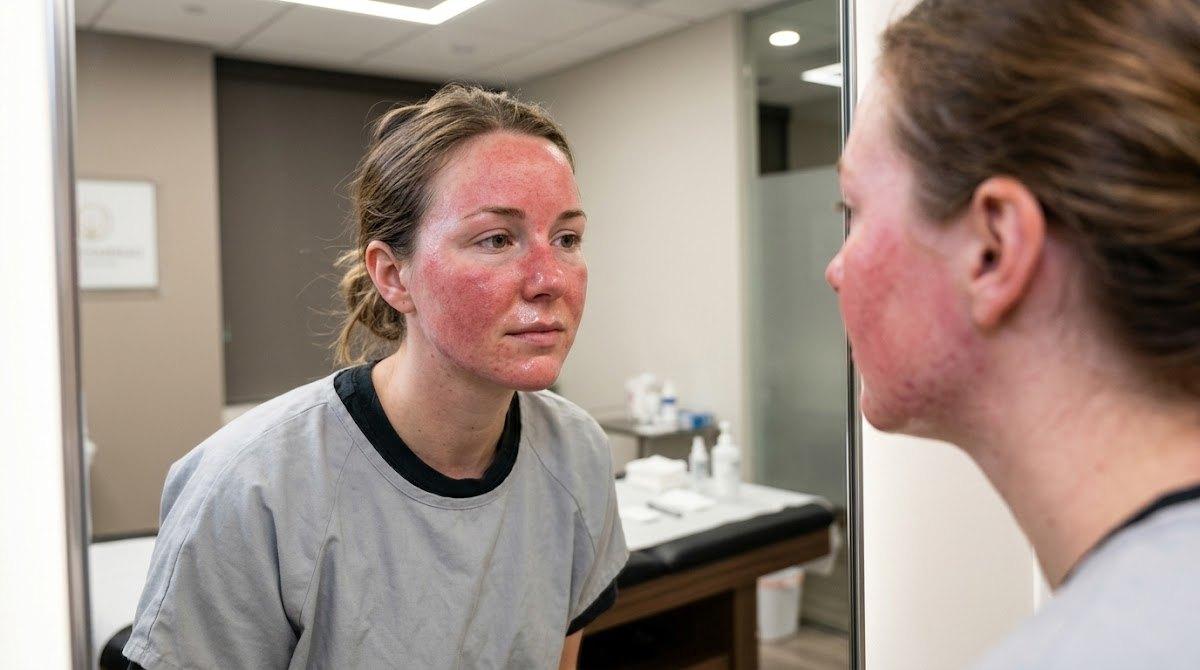
For the first several hours, your face may appear red and feel tight. That is normal. Redness, warmth, tightness, and irritation are common in the early stage of the healing process.
Here is the part many people miss.
The microchannels stay open for a short window after your Microneedling treatment. That means your skin may absorb products quickly, but it also means the wrong product can cause irritation. This is why a simple, gentle plan matters.
Sleep on your back with your head elevated for the first week if possible. It can reduce pressure, swelling, and redness, especially if your skin tends to react easily.
The Day-By-Day Healing Process Explained
A day-by-day recovery guide helps remove the guesswork. While every skin condition is different, most people follow a similar healing process after Microneedling.
Consolidated Microneedling Recovery Timeline
| Healing Stage | Expected Duration | Key Characteristics |
|---|---|---|
| Peak Inflammation & Redness | 24 - 48 hours (up to 3 days) | Flushed appearance, tightness, warmth, and sensitivity. |
| Peeling & Flaking | Days 3 - 5 | Old skin starts to peel and flake off; dry, rough texture. |
| Initial Full Healing | 5 - 7 days | Skin feels normal; residual redness fades; makeup sits better. |
| Minor Sensitivity | Up to 14 days | Mild lingering redness or sensitivity, depending on skin type. |
| Collagen Production | 2 weeks - 3 months | Firmer feel, softened marks, gradual skin rejuvenation. |
Days 0 To 1: Managing Initial Redness And Swelling
This is when inflammation peaks. Usually, the first 24 hours to 48 hours are the most dramatic part of the Microneedling recovery timeline. That response helps stimulate collagen production, which is why the treatment works.
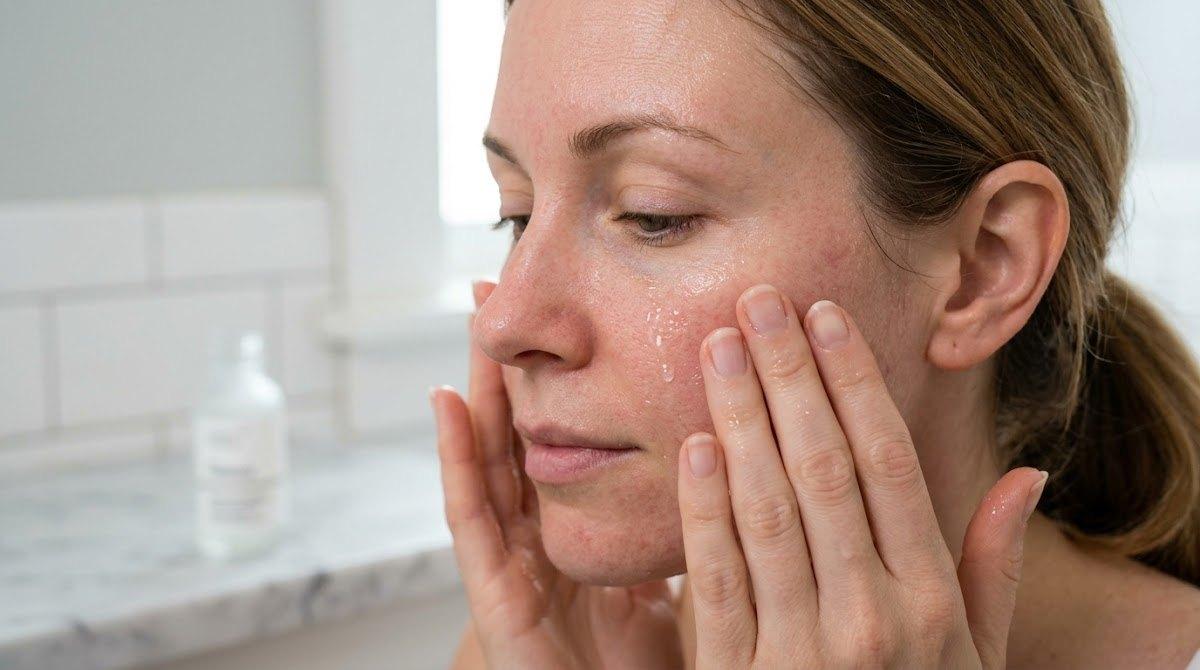
Do not touch your face unless you have clean hands or brushes. Better yet, avoid touching it at all. During the first 24 hours, skip your usual cleanser and wash only with lukewarm water and clean hands.
Hydration matters here. Apply a pure hyaluronic acid serum to damp skin if your provider recommends it. Then use a gentle moisturizer to hydrate your skin and support the skin’s natural healing process.
Days 2 To 3: Tightness And The Beginning Of The Peel
By this point, swelling and redness usually settle down. Your skin may still feel dry, a little rough, and unusually tight. That is part of the natural healing process.
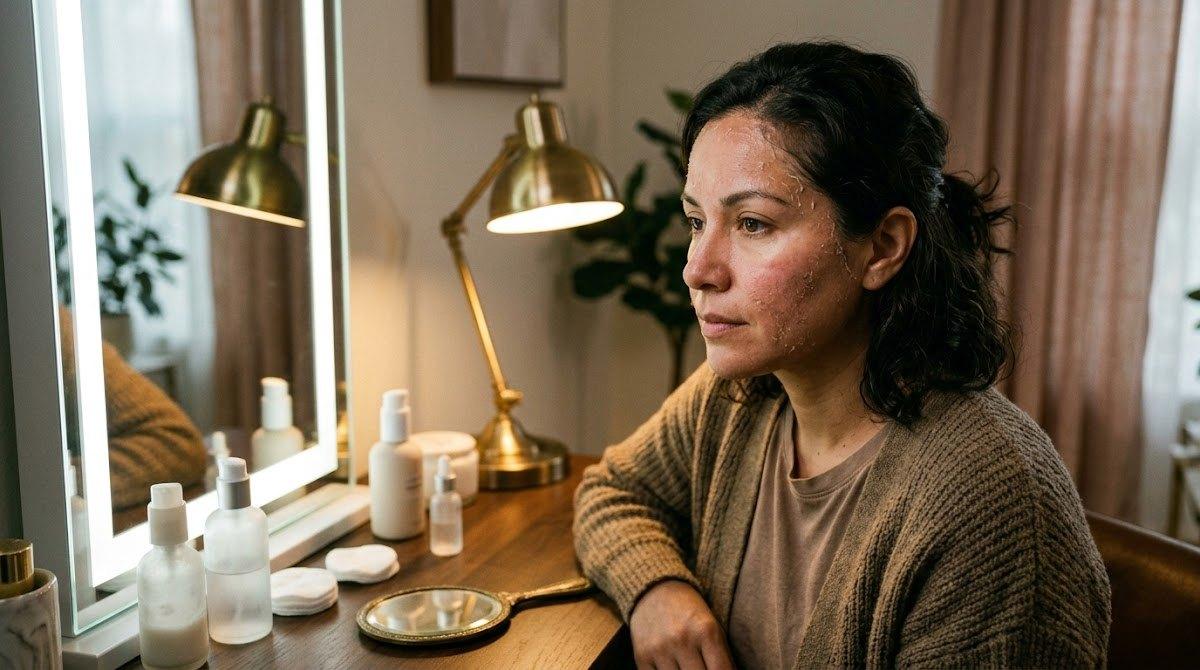
Around day three, you may start to peel or flake lightly. Do not panic. New skin cells are moving up, and older surface cells are starting to shed.
This stage is often easier socially. Many people feel comfortable going back to normal plans after 2-3 days, though sensitive skin or deeper acne-focused treatment can stretch the microneedling recovery time a bit longer.
Days 4 To 5: Continued Peeling And Rejuvenation
This is often the awkward stage. Your skin may peel more noticeably, and the texture can feel rough before it looks better.
Still, look closely.
You may start seeing a subtle glow underneath the flaking. Early skin renewal is happening, and skin repair is well underway. If irritation is gone, some people choose light mineral makeup. If not, wait. Giving your skin extra patience here pays off.
Days 6 To 7: Fully Healed Skin Rejuvenation
By days 6 to 7, most of the visible healing process is over. Peeling tends to stop, redness fades, and your face starts to look completely normal again.
This is when many people notice smoother tone, better skin texture, and a brighter finish. The acute microneedling recovery phase is usually done by one week, even though deeper collagen production is still happening underneath.
Essential Microneedling Aftercare Guidelines
Here is the truth. Microneedling aftercare and recovery can shape your final outcome just as much as the treatment itself. If you want this to be your guide to Microneedling aftercare, keep it simple and consistent.
Skincare Dos: Optimizing Your Microneedling Aftercare And Recovery
Start with hydration. Drink water often, use a quality moisturizer, and consider hyaluronic acid serum if advised. Skin needs moisture to support skin repair.
Next, switch to a gentle, fragrance-free, pH-balanced cleanser after the first 24 hours. Stick to gentle formulas only. Your skincare routine should feel boring for a few days, and that is a good thing.
Sun protection is not optional. Use a broad-spectrum mineral sunscreen with SPF 30+ and reapply regularly. Better yet, stay out of the sun as much as possible because sun exposure can slow the healing process and deepen redness.
If you feel warm or puffy, cold compresses can help. So can calming products such as cica or aloe vera, depending on what your skincare professional recommends.
Post-Treatment Don'ts: What To Avoid After A Microneedling Session
Now for the other side of the equation.
Avoid makeup for at least 24 hours. Many providers prefer 48 to 72 hours for best results, especially if there is lingering irritation.
Pause workouts, hot showers, saunas, and steam rooms for 48 hours to one week, depending on intensity. Heat can worsen swelling and redness.
Hold off on strong actives too. Retinoids, Vitamin C, AHAs, BHAs, and glycolic products can cause irritation while the barrier is still healing. Chemical exfoliants, including glycolic blends, should wait at least a week.
Do not pick at any peel or flake. Let it come off naturally. And avoid direct UV for at least a full week. A hat helps. So does planning ahead.
If you are exploring treatments to enhance your results later, options like a PRP facial may come up in conversation. Just save those decisions for after your skin may need less recovery time and more stability.
Maximizing Results From Every Microneedling Session
Microneedling delivers an early glow fast, but the real payoff takes longer. Increased collagen production builds gradually over 6 weeks to 3 months.
That matters because expectations matter.
One Microneedling session can refresh the skin, but deeper concerns often need a series. Most plans involve 3 to 6 treatments spaced every 4 to 6 weeks. This spacing gives your skin time to rebuild between visits and supports collagen production without overdoing it.
Maintenance matters too. Once your initial series is complete, some people come in every 3 months, while others do well with 1 to 2 sessions per year.
Microneedling is also safe and effective for many common skin concerns, including signs of aging, enlarged pores, and some acne scars. It can help stimulate firmer, more youthful skin over time, especially when paired with smart aftercare tips and realistic timing.
If you are also curious about resurfacing options, chemical peels are another in-spa approach, though they should not be done too soon after Microneedling.
Conclusion
Microneedling recovery is usually straightforward. Expect redness first, then some peel or flake, then smoother skin within about a week. After that, deeper collagen production keeps building. Follow essential Microneedling aftercare, protect your barrier, and be patient. Treat your skin well now, and your skin will thank you later.
Frequently Asked Questions About Microneedling Recovery Timeline
What Should I Expect After Microneedling In Terms Of Downtime?
Most downtime is mild. Expect peak redness for 24 to 48 hours, with many people feeling socially fine by day 5 to 7.
When Is It Safe To Resume My Normal Routine?
Light activity often resumes after 48 hours. Wait about one week for heavy sweating, and at least two full weeks for harsher post-treatment services.
How long does it take to look normal after microneedling?
Most people look normal in 5 to 7 days, though minor redness can last longer.
Is 2 microneedling sessions enough?
Sometimes for a light refresh, yes. For acne scars or fine lines, more sessions are often needed.
How will I look 2 days after microneedling?
Usually less red than day 1, but still pink, dry, and a bit tight.
Why does my skin look older after microneedling?
Temporary dryness, tightness, and flaking can make lines look worse before skin renewal smooths things out.