

Maybe you want smoother skin, softer lines, or help with breakouts that never seem to quit.
This guide breaks down the real difference between a med spa and a dermatologist, when each makes sense, and which red flags should stop you before booking.
The Primary Distinction: Understanding Med Spas and Dermatology Clinics
Here’s the short version.
A medical spa is a blend of a traditional day spa feel and a medical facility. It focuses on cosmetic rejuvenation in a more relaxed setting. A dermatologist is a medical specialist trained to diagnose, treat, and manage diseases of the skin, hair, and nails.
That’s the core distinction.
When people compare spa versus clinic care, they often assume one is better than the other. Not exactly. The right fit depends on whether your concern is mainly cosmetic, medically complex, or somewhere in the middle.
What to Expect When You Visit a Med Spa
A visit a med spa usually feels polished, calm, and service-driven. The menu may include Botox, filler, laser services, chemical peels, microneedling, facials, wellness support, and other cosmetic treatments.
In strong med spas, there’s real physician oversight. The gold standard is a physician-led practice with proper training in aesthetic medicine and on-site supervision. That matters more than the waiting room decor ever will.
Common staff in med spas include:
- Registered Nurses
- Nurse Practitioners
- Physician Assistants
- Licensed aestheticians for non-invasive skincare services
Here’s the catch.
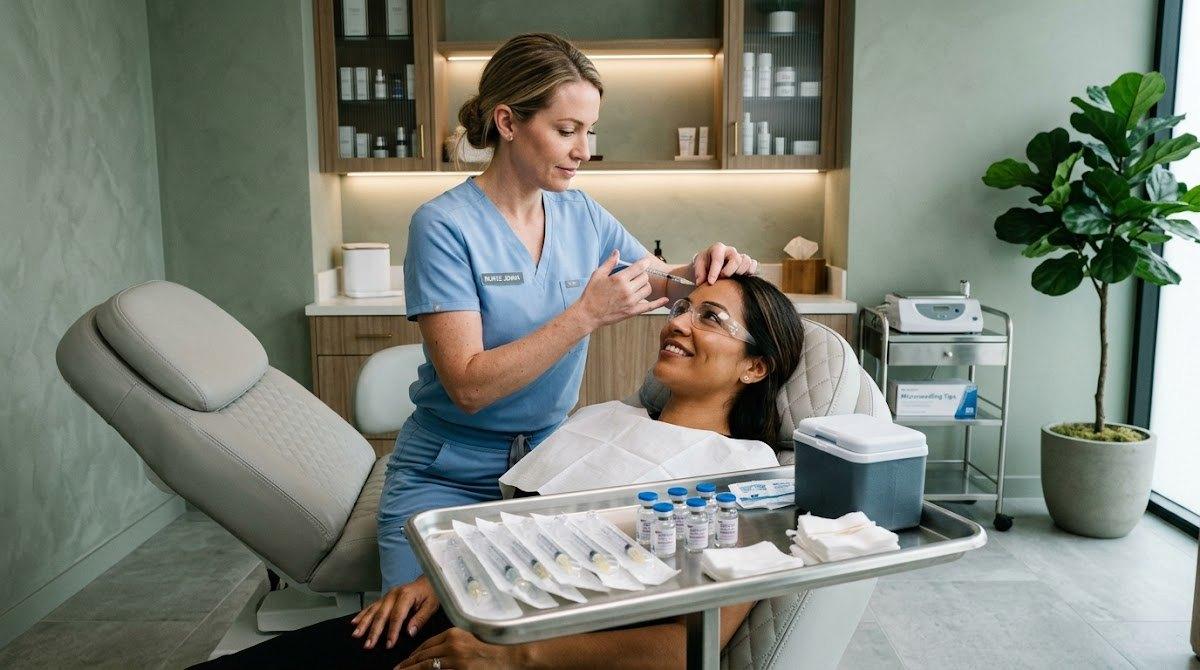
Not every spa has the same level of medical support. Some med spa settings are excellent. Others look polished but cut corners behind the scenes. That’s why your consultation matters so much before any cosmetic treatment.
The Role of a Board-Certified Dermatologist in Skincare
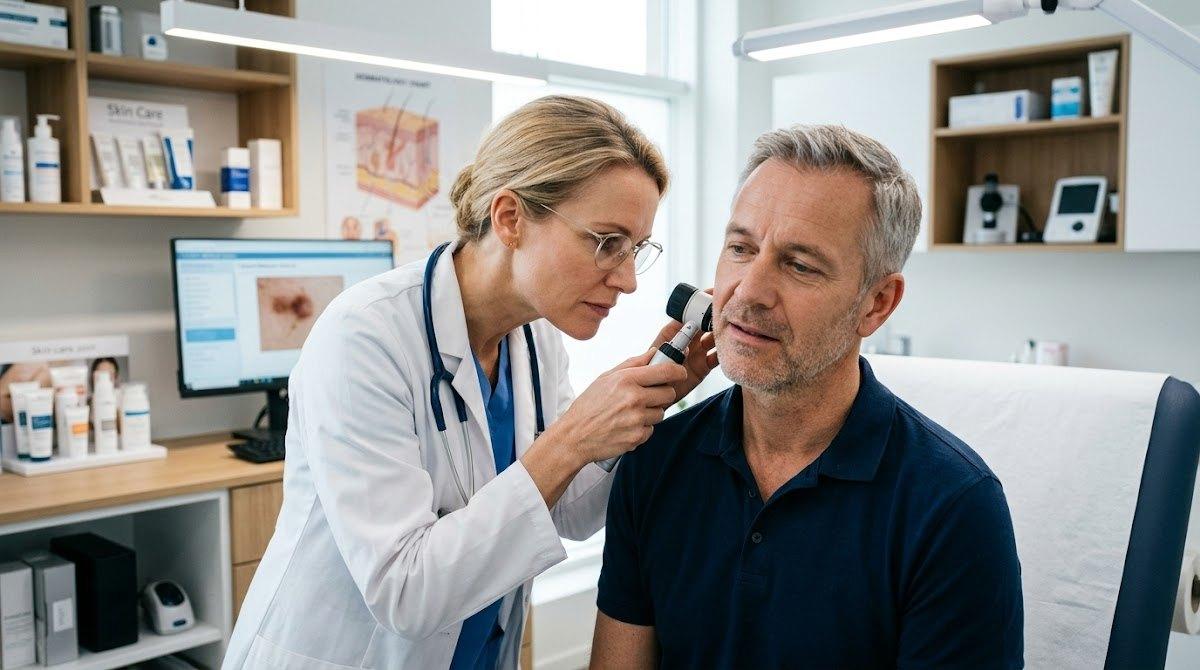
A dermatologist is a medical doctor who completes medical school plus a dermatology residency. A board-certified dermatologist has passed specialty standards, and many are certified by the American Board of Dermatology, which is part of the American Board system.
Put simply, dermatologist is a medical term that signals deep diagnostic training. A board certified physician in dermatology is trained to spot what may underlie a cosmetic concern.
Think about dark spots.
A spa may see pigment. A dermatologist may diagnose melasma, post-inflammatory change, or even skin cancer. That ability to diagnose is a major reason dermatology clinics are essential for specific skin problems, chronic skin conditions, and anything suspicious.
A dermatology practice also keeps long-term records, can prescribe medication, and may bill insurance for medical care. That is very different from most cash-based med spa visits.
Provider Credentials: Why Physician Oversight Matters
This part gets ignored far too often.
Injectables, energy devices, and many cosmetic procedures are not casual beauty services. They are the practice of medicine. Procedures like Botox, dermal fillers, and laser resurfacing require judgment, anatomy knowledge, and complication planning.
Only a few specialties receive broad, standardized training for these areas:
- Plastic Surgery
- Facial Plastic Surgery
- Dermatology
That does not mean every excellent injector must be a dermatologist. It means the provider should work within a structure that can ensure safety, proper assessment, and follow-up care.
Ask who is the supervising physician. Ask if that physician is on-site. Ask what qualification the treating practitioner has for that exact treatment. Also ask whether the doctor can supervise complications in real time.
Some offices mention a medical director on paper but provide little true oversight. That’s not enough. A high standard means direct supervision, clear protocols, and a level of medical accountability that protects you if something goes wrong.
Training matters too. ACGME-accredited residency is the benchmark for physicians. Additional fellowship, advancement courses, and hands-on expertise can further certify skill, especially in cosmetic dermatology and facial anatomy.
Comparing Cosmetic and Medical Offerings
Let’s make this practical.
Popular Spa Services: From Injectables to Laser Hair Removal
Most modern medical spa menus focus on non-surgical cosmetic improvement. These services are built to customize your results around your features, goals, and downtime.
Common treatment options include:
- Neurotoxin injections like Botox
- Filler and dermal fillers for volume loss
- Chemical peels and microneedling
- Microdermabrasion
- Laser hair removal and laser resurfacing
- Energy-based body contouring
- IV support and hormone services
- Eyelash therapies and eyebrow micro-blading
If you’re curious about injectables, our Botox options explain how neurotoxin treatment works. If light-based technology is on your list, explore our laser treatments for a clearer view of common laser care.
Important note: if a procedure needs more than local numbing or light sedation, it belongs in a licensed surgical center, not a spa.
When to Seek Comprehensive Dermatology Care
Sometimes cosmetic concerns are not just cosmetic concerns.
That persistent acne may underlie hormonal issues. Redness may be rosacea. A new rash could be irritation, allergy, or something else entirely. Hair shedding may need a prescription plan, lab work, or a biopsy. A dermatologist can help when symptoms point to underlying skin or hair disease.
Choose a dermatologist or cosmetic dermatologist when you need care for:
- Severe acne, rosacea, eczema, or psoriasis
- A changing mole or skin cancer screening
- Hair loss
- A reaction after a prior treatment
- Scars, pigment issues, or medically complex facial concerns
Dermatologists can provide comprehensive care that many med spas cannot. That includes diagnosis, medically guided treatment, and treatment of side effects after cosmetic procedures.
4 Key Factors in Choosing the Right Skincare Provider
Now the decision gets easier.
1. Prioritizing Thorough Consultations
A real consultation should feel calm, detailed, and patient-centered. Your provider should review your health history, past treatments, goals, risks, and budget before they ever inject, peel, or use laser technology.
Avoid one-size-fits-all plans. Good care will tailor the approach to your anatomy, timeline, and cosmetic needs.

2. Facility Cleanliness and Safety Standards
A safe medical facility should look and function like a clinical office. Clean surfaces, proper sharps handling, informed consent, and FDA-approved products are basic, not optional.
If the space feels sloppy, rushed, or oddly casual, pay attention.
3. Verifying Experience and Transparency
Ask how long the practitioner has performed that service. Ask how often they inject filler or Botox each week. Ask to see before-and-after photos.
You can also review guidance on choosing a provider . State laws differ, so license rules, scope of practice, and who may inject vary more than most people realize.
4. Establishing Aftercare and Complication Protocols
Aftercare is part of the treatment, not an extra. You should know who to call after hours, what normal healing looks like, and what signs need urgent review.
Also ask whether the supervising physician has hospital privileges nearby in case of a rare complication.
4 Major Red Flags When Selecting a Facility
Let’s get blunt.
1. Lack of Direct Medical Supervision
If the physician is never present and only lends their name to the business, walk away.
2. Unqualified Staff Performing Medical Procedures
Aesthetic staff should stay within their scope. An esthetician should not inject, perform invasive care, or handle services beyond their license. Bait-and-switch scheduling is another red flag.
3. High-Pressure Sales and Unrealistic Guarantees
Good cosmetic dermatology is thoughtful. It should never feel pushy. Be wary if someone tries to upsell multiple cosmetic procedures on the spot or promises perfect results.
4. "Too Good to Be True" Pricing
Cheap pricing often hides poor products, diluted Botox, weak safety steps, or inexperience. In a med spa vs physician-led setting, lower cost is not always better value.
Medspa vs. Dermatologist: A Quick Comparison Guide
| Aspect | Med Spa Characteristics | Dermatology Clinic Characteristics |
|---|---|---|
| Oversight | Ideally overseen by a board-certified physician; daily supervision varies by facility and state laws. | Supervised by board-certified doctors with residency training. |
| Providers | Nurses, PAs, NPs, and aestheticians for limited spa services. | Dermatologist, PAs, and NPs with focused dermatology training. |
| Services | Cash-based cosmetic services such as Botox, laser, peels, and body contouring. | Medical and cosmetic dermatology, diagnosis, and chronic care. |
| Risks & Red Flags | More risk if oversight is weak or staff lack expertise. | Lower risk for medical complexity because the provider can diagnose and treat. |
| Best For | Routine rejuvenation and cosmetic treatment in a well-run medical spa. | Specific skin disease, medical questions, and complex cosmetic concerns. |
Conclusion
The difference between a med spa and a dermatologist comes down to purpose, training, and safety. For routine cosmetic treatments, a strong medical spa can deliver excellent results.
For diagnosis, prescription care, or anything medically uncertain, start with a dermatologist. When in doubt, choose the setting with stronger physician involvement and clearer standards.
Frequently Asked Questions About Medspa Vs Dermatologist
Is it better to go to a dermatologist or esthetician?
For medical skin issues, see a dermatologist. For basic spa skincare, an esthetician may help.
What is the difference between a med spa and a dermatologist?
The difference between a med spa and a dermatologist is that one focuses on cosmetic services while the other provides full medical dermatology care.
Can a dermatologist treat scars?
Yes. A cosmetic dermatologist can treat scars with laser, injectables, or other cosmetic treatment plans.
Can a dermatologist treat hair loss?
Yes. A dermatologist can evaluate causes of hair loss and treat it medically.
What can aestheticians do if the dermatologist can't?
They can deliver relaxing spa services and personalized skin care support, but not medical diagnosis.