

You booked your appointment, loved the immediate volume, then woke up wondering why your lips look much bigger than planned. That moment catches a lot of people off guard.
Let’s make it simple. Here is what to expect from the lip filler process, how to reduce lip filler swelling, and how to spot a problem early.
Understanding Your Lip Filler Healing Process
If you are getting lip fillers for the first time, the mirror can be confusing. Your lips may look larger than expected, feel oddly firm, and even seem a little uneven. That is often normal.
Lip filler healing is not instant. There is a short inflammatory response, then a settling phase, then refinement. Think about it this way. The treatment happens in minutes, but the tissue needs time to adapt.
Why do lips swell after filler? Hyaluronic acid is a sugar molecule that naturally exists in the body. In cosmetic injectables, it is used because it can attract water and create soft volume.
Hyaluronic acid fillers are also hydrophilic, which means they pull in moisture. That helps create a fuller look, but it also explains why lips may swell after an injection.
There is another reason too. The needle itself creates tiny points of trauma. Your body reacts with swelling and bruising as part of the healing process. In many cases, the immediate size increase is not all product. It is also initial swelling.
That early numb feeling? Also normal. Many premium lip fillers include lidocaine, a local anesthetic mixed into the filler material. It helps with comfort during the lip filler treatment, but it can leave your lips feeling puffy and strange for the first few hours.
If you want a broader overview of products and techniques, our page on dermal fillers explains how filler works across different treatment areas. For lip enhancement, though, the healing pattern has its own rhythm.
The Complete Recovery Timeline: Day By Day
Here is the part most people want. A clear recovery timeline.
Days 1 to 3: Managing Peak Swelling
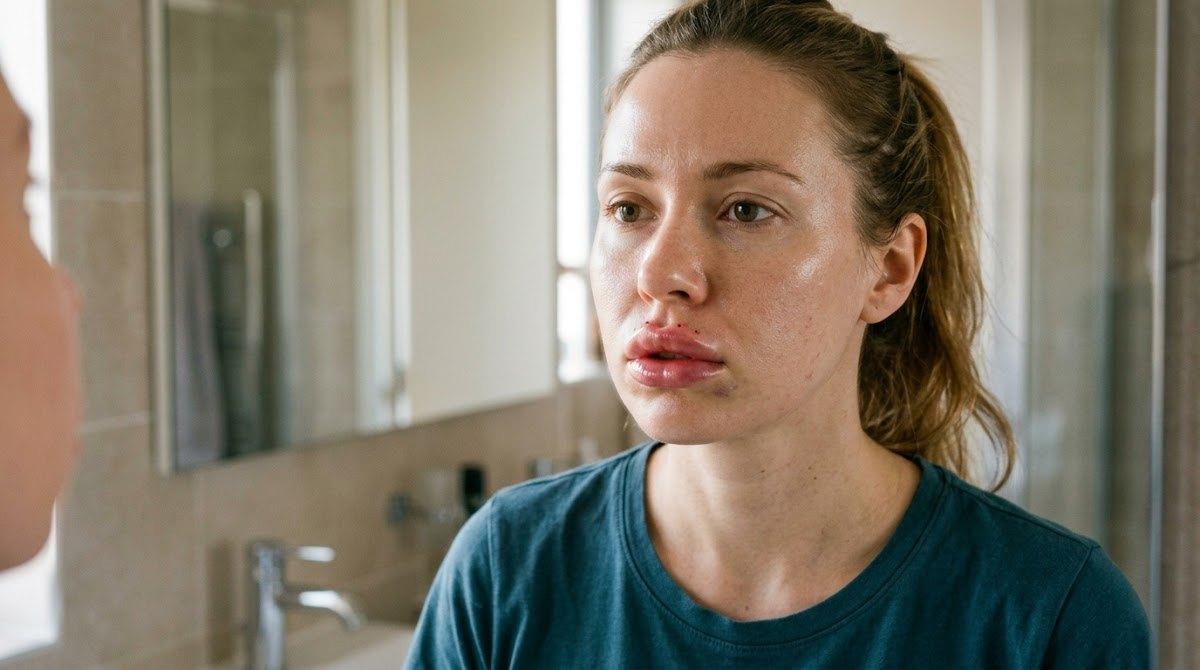
Day 1 is usually the most dramatic-looking stage. Right after lip filler injections, you may see redness, small injection marks, and quick puffiness. Lips may look overfill at first, but that visual effect is temporary.
During the first few hours, your mouth can feel numb, stiff, or awkward when talking. Eating may be a little clumsy. That is normal after lip injections.
By the next morning, things often look more intense. Swelling usually peaks in the first 24 to 48 hours. This is peak swelling, and yes, it can make the result look larger than expected. Swelling after lip filler is often worst after sleeping because fluid pools overnight.
Days 2 and 3 are when many people start second-guessing the treatment. The lips may swell more on one side. They can feel hard. There may be tenderness, tightness, and a visible bruise or two. Mild bruising is common, especially if you are prone to bruise easily.
This is one of the most important parts of understanding the lip filler swelling. What you see early is not the final result. It is your body reacting to both the filler injections and the tiny tissue injury from each injection site.
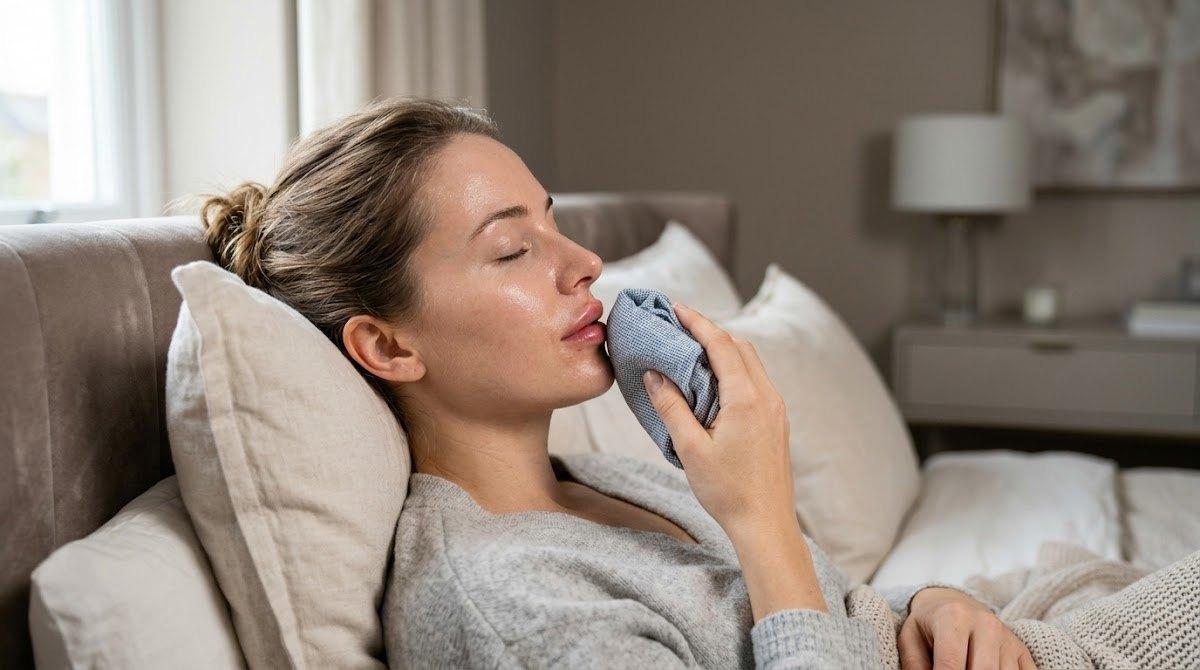
To help minimize swelling, use a wrapped cold compress for short intervals. A cold compress can help calm inflammation and limit extra puffiness. Keep your head elevated too, especially in the hours after lip filler treatment.
Days 4 to 7: Letting the Lip Fillers Settle
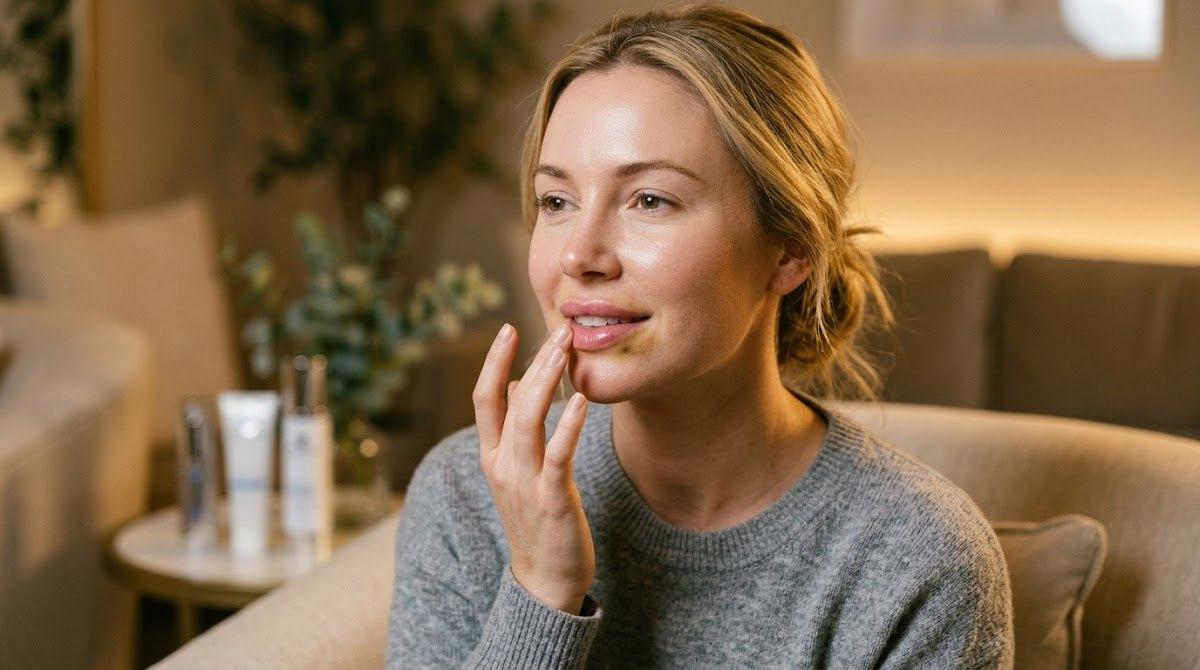
By day 4, the shift usually becomes obvious. Inflammation starts to subside, the lips soften, and the shape begins to look more balanced. This is when many people finally feel relieved.
From day 4 to day 5, swelling and bruising typically improve fast. A bruise may turn yellow or green before fading. The tissue is still healing, but your lips should feel less tight and more natural.
By days 6 to 7, most people see a 50% to 70% drop in swelling. Eating, drinking, and talking feel easier again. Any small lumps often start to soften as the injectable settles into the tissue.
You may still notice residual puffiness, especially in the morning. That does not mean the filler has gone wrong. Residual swelling is common within a few days of treatment, and minor unevenness can still be present.
If you are curious about correction options for a stubborn issue, our page on dissolving filler explains when reversal may be considered. In routine lip filler recovery, though, patience matters more than quick fixes.
Weeks 2 to 4: Enjoying Your Final Result
By week 2, swelling is usually hard to detect. This is when lip fillers tend to settle into their softer, more natural shape. The filler integrates with the tissue, and the lips feel less firm.
Why does it take this long? Because the healing process includes more than surface swelling. Deep tissue still needs time to settle, and tiny areas of fluid retention need time to clear.
At week 4, your final result is generally stable. If you want a follow-up appointment for a small adjustment, this is often the best time to assess it. A little more volume may be added then, if needed, with less guesswork.
Most lip fillers last about 6 to 18 months depending on the product, your metabolism, and the style of lip enhancement you chose. Some people want subtle rejuvenation. Others prefer more definition. Either way, waiting for the filler to settle is key to natural-looking results.

Lip Filler Swelling Stages: Normal Symptoms vs. Warning Signs
Lip filler swelling stages can feel unpredictable if nobody explains them clearly. But once you know the pattern, the whole experience makes more sense.
Lip filler swelling stages empowers you to stay calm when symptoms are normal and act fast when they are not. That balance matters.
What to Expect During Your Swelling Timeline
Some symptoms look alarming but are completely expected:
- Mild to moderate soreness
- Mild tenderness when eating or pressing the lips
- Firmness during the first several days
- Small lumps or a temporary lump where filler is settling
- A small bruise near an injection point
- Puffiness that is worse in the morning
These reactions are part of the healing process. Swelling stages can help you know when those changes should improve. In most cases, small lumps and general stiffness start to subside by the end of the first week.
Is Uneven Swelling Normal?
Yes. Uneven swelling is common during the first 3 to 5 days.
One side may swell more because of normal differences in blood flow, the path of the injection, or simply how you slept. Temporary asymmetry and unevenness are not unusual early on. Lips may feel different on each side too.
The key is direction. Uneven swelling should improve, not worsen. By day 7, most uneven areas look much better without massage or intervention.
What’s Not Normal
True complications are uncommon, occurring in fewer than 1 in 100 cases, but they require attention.
Call your medical provider if you notice:
- Severe pain or pain that gets worse after 48 hours
- Cold skin on the lips
- White blanching or pale patches
- Blue-grey discoloration
- Fever, pus, or spreading heat
- A hard lump that does not improve after 7 to 10 days
- Residual lumps or nodules appearing 2 to 4 weeks later
- Filler migration beyond the lip border
A vascular occlusion is a blockage of blood flow caused by filler pressing on or entering a blood vessel. This is urgent. Review these medical insights if you want to understand how ischemia presents.
Migration can also happen. The FDA outlines known dermal filler risks, including movement of product and delayed problems, in this FDA overview .
For persistent nodules and granulomas, this clinical research explains how delayed reactions may appear.
Visual Guide: Normal vs. Abnormal Healing
| Timeframe | Completely Normal Reactions | Abnormal Warning Signs |
|---|---|---|
| Days 0–2 | Peak swelling, mild-moderate pain, starting bruises, tightness. | Sharp, throbbing pain, cold lips, severe white blanching. |
| Days 3–7 | Swelling actively decreases, bruises fade, small lumps soften. | Swelling worsens after Day 2, extreme asymmetrical lumps. |
| Days 7+ | Balanced, soft lips with minor to no swelling remaining. | Persistent nodules, blue/grey tint, redness with fever/heat. |
Expert Aftercare: How to Reduce Lip Filler Swelling
Good aftercare can make a big difference. It will not erase swelling overnight, but it can help ensure a smooth recovery.
Here are the five golden rules.
1. Strategic icing
Use a wrapped compress for 10 minutes at a time during the first few days. The goal is to cool the area, not freeze it. A compress helps with swelling after lip procedures and may reduce tenderness.
2. Elevate and rest
Sleep with your head raised on two pillows. Avoid workouts, saunas, and hot showers for 48 to 72 hours. Heat and exertion can make lips swell more.
3. Hydrate well
Aim for about 64 ounces of water daily. Because filler draws in moisture, hydration supports a smoother look as the product begins to settle.
4. Make smart food choices
For the first few days, skip salty foods, alcohol, and excess caffeine. These can make swelling usually last longer by increasing dehydration or irritation. Soft foods are easier while the lips are tender.
5. Keep your hands off
Do not press, massage, or stretch the area unless your injector tells you to. Avoid kissing, straws, strong lip products, and heavy makeup right away.
Clinical experience shows consistent aftercare can shorten the healing period and support a smoother lip filler process. That matters whether you are getting lip for subtle facial rejuvenation or more visible shape change.
Conclusion
Lip filler swelling stages are rarely pretty, but they are often normal. Most lips swell most in the first two days, improve by day 4, and look close to final by week 2. Watch the pattern, not just the mirror. If pain, color change, or heat appears, contact your provider quickly.
Frequently Asked Questions About Lip Filler Swelling Timeline
How long will my lips stay swollen after fillers?
Most swelling usually improves a lot within the first few days and is mostly gone by 2 weeks.
Do lip fillers look bigger at first?
Yes. Lips may look bigger early because of swelling after lip, not just filler.
Why does lip fillers take 2 weeks to settle?
Because the tissue needs time to heal, fluid needs to clear, and the filler needs time to settle.