

Microneedling has a reputation for doing a lot with very little downtime. That sounds great, until you start wondering what it actually feels like, who it works for, and whether microneedling is safe for your skin.
This guide breaks down the real answer. You’ll learn how microneedling works, who should skip it, what the FDA says, and how to think about results, recovery, and provider safety.
Is Microneedling Safe for Your Skin Type?
Microneedling is a minimally invasive outpatient treatment. In simple terms, microneedling is a procedure that uses a device with fine needles to create controlled micro-injuries in the skin. Those tiny channels trigger the natural healing process and help stimulate collagen.
For many healthy adults 22 and older, microneedling is generally considered safe. The bigger question is whether microneedling safe for your specific skin type, history, and goals. That’s where a proper assessment matters.
Here’s the good news. Unlike some laser treatments, traditional microneedling uses mechanical injury rather than heat. Because of this, it is often a strong option for people with darker skin and darker skin tones who want to improve skin without a high risk of discoloration. It can also support more even skin tone and smoother skin texture over time.
Still, safety depends on the basics being done right. According to a clinical review , provider technique, sterile handling, and using a fresh needle cartridge for each patient are central to reducing the risk of infection. If a clinic cuts corners here, the whole treatment changes from low risk to unnecessary gamble.
Timing matters too. A microneedling session may last 15 minutes to a few hours, though the average procedure itself is about 30 minutes. Add prep and numbing, and your visit can run close to two hours. Treatments are usually spaced 3 to 8 weeks apart.
Afterward, redness and mild swelling are common, and many people look red and swollen for a short period. Most redness and swelling settle within five days.
Understanding the FDA and Microneedling Devices
This is where things get confusing fast.
The Food and Drug Administration regulates certain microneedling devices as medical devices. That means the FDA reviews whether those devices do what the maker says they do and whether they meet safety standards. That oversight matters, especially when a device is meant to penetrate the skin rather than just exfoliate the surface.
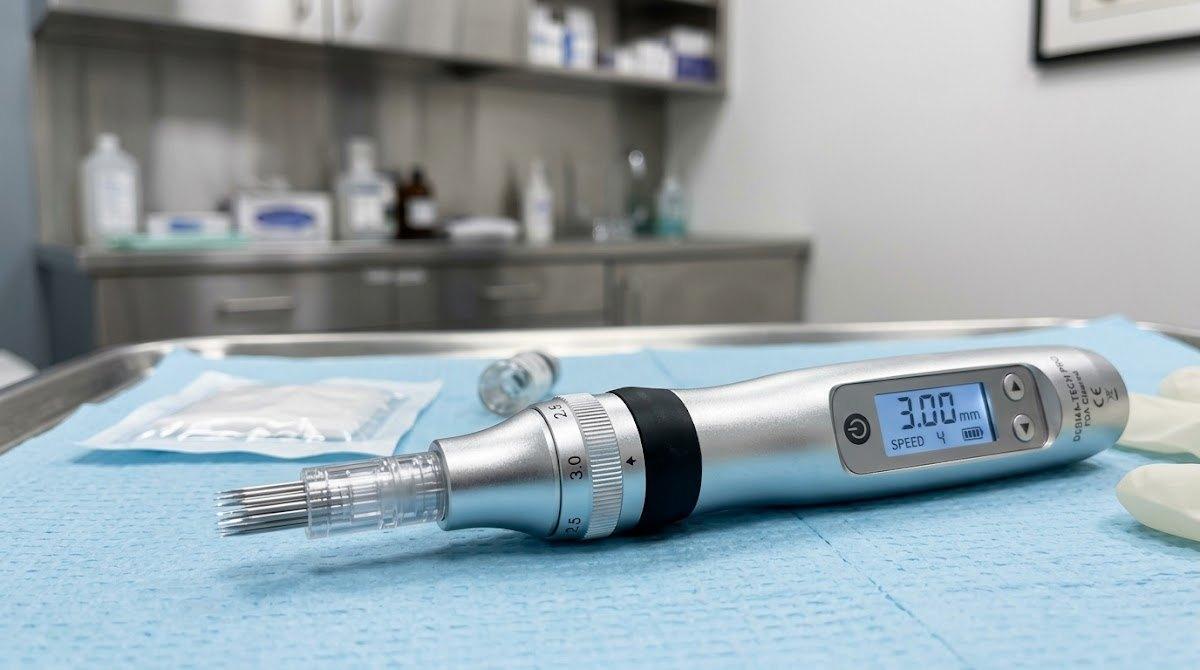
According to the AAD’s summary of FDA-cleared uses , cleared devices are authorized to improve the appearance of facial wrinkles, facial acne scars, and abdominal scars. That is specific. It does not mean every gadget online has the same status.
And here’s the part many people miss. The FDA has not cleared these devices for over-the-counter sale as true medical microneedling tools. Home devices with short, blunt tips may be sold for exfoliation, but they are not in the same category. The FDA also notes that combining microneedling with cosmetics, platelet-rich plasma, or ointments has not been reviewed for safety or effectiveness in the same way. If you are considering PRP facial options , that distinction is worth understanding.
Think about it this way. A safety communication is not saying microneedling is bad. It is saying the tool, the setting, and the claims all need to match. That’s the heart of risks and safety.
What Are the Benefits of Microneedling?
The appeal is simple. Microneedling helps your skin rebuild itself.
Microneedling is a collagen induction treatment. In plain language, it uses needles to create micro-injuries so your body starts a healing response. During that healing process, skin produces more collagen and elastin. Over time, that can improve the appearance of skin that looks rough, lax, dull, or uneven.
A plastic surgeon overview explains it well: microneedling can rejuvenate aging skin, refine tone, and smooth imperfections by boosting collagen production. It can also help improve overall skin quality instead of targeting only one spot.
Results are not instant. New collagen production builds slowly, so the best changes usually show up between 3 and 6 months. That’s why realistic planning matters. One treatment rarely does everything.
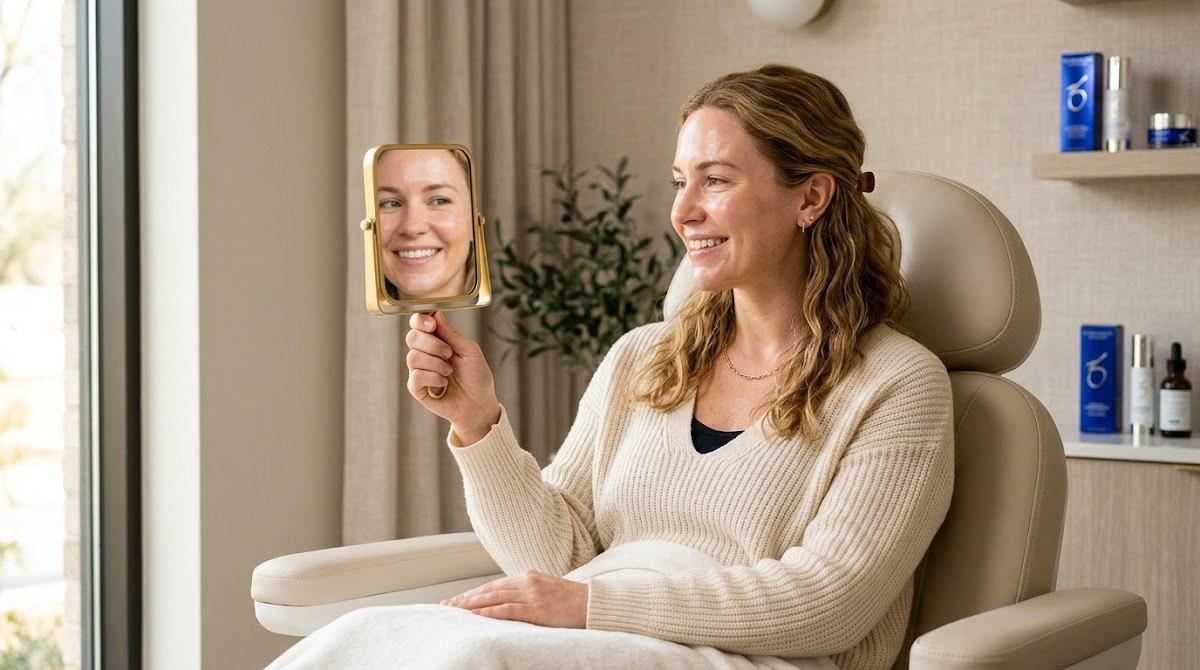
Here’s how progress often looks:
- Acne scars may show mild improvement after 2 sessions.
- Moderate acne scars often need around 6 sessions, based on reported timelines .
- Hyperpigmentation, skin laxity, and enlarged pores tend to fade gradually.
- Fine lines and wrinkles can soften as collagen and elastin production increases.
- A wrinkle or shallow scar may look less obvious as the dermal layer remodels.
That’s also why many providers recommend multiple treatments and maintenance. Structured microneedling treatments tend to produce more even, lasting change than one-off visits.
Exploring the Different Types of Microneedling
Not all microneedling looks the same.
There are several types of microneedling used in professional settings. Some are simple. Some are more advanced. Each approach changes how deeply the device reaches and what kind of tissue response it creates.
Common options include:
- Pen-shaped devices that use a motor and adjustable depth
- Dermarollers and stamps for broader or flatter areas
- RF systems that pair needling with radiofrequency heat
A pen device is often preferred for the face because it allows more control near delicate areas. Dermarollers can be less precise. RF microneedling adds heat energy below the surface. When used conservatively, it can improve skin concerns such as texture and skin laxity. But aggressive settings bring different risks, including more swelling and, in rare cases, unwanted tissue changes.
That is why provider judgment matters so much. Whether microneedling should be standard or RF depends on your skin condition, goals, and facial anatomy.
How Deep Microneedling Goes: Procedure Details
This is the part people usually want spelled out clearly.
A professional microneedling procedure usually starts with cleansing and a topical numbing cream. Most clinics apply lidocaine for 30 to 45 minutes so the skin feels numb before treatment begins. Then the provider uses a device and passes the microneedles across the area in a controlled pattern.
Depth changes everything. Short settings treat the uppermost layer. Longer needles reach living tissue where blood vessels, nerves, and collagen pathways are active. Professional treatments often range from 0.5 mm to 2.0 mm.

That matters because microneedling goes deeper when scar tissue is thicker or the skin is denser. Severe scar revision may call for longer needles, while delicate zones need a lighter touch. During deeper passes, side effects include pinpoint bleeding, warmth, and a scratching sensation over bony areas.
Traditional microneedling uses thin needles or tiny needles to create controlled channels. The goal is not damage for the sake of damage. The goal is to stimulate collagen and kick-start the natural healing process with as little trauma as possible.
If you are not sure what depth fits your needs, start with a consultation . A good plan is built around your skin type, not a one-size-fits-all setting.
Common Risks and Potential Side Effects
Let’s be honest about it. Microneedling may be gentle compared with more aggressive resurfacing, but it still breaks the skin barrier.
That means there are potential side effects. Most are short term and manageable. Common reactions include redness, irritation, dryness, tightness, peeling, mild bleeding, and temporary swelling. Some people bruise easily, especially if they take blood-thinning medication or have fragile capillaries.
Post-procedure care helps minimize these risks. Guidance from NCBI supports avoiding sun for one week and skipping retinol, AHAs, and heavy sweating during recovery. A bland moisturizer and simple skin care routine are usually best.
Here’s a clear view of the main concerns:
| Risk / Side Effect | FDA Observations | Clinical & Dermatological Reports | Severe / Complication Risks |
|---|---|---|---|
| Bleeding / Bruising | Common | Common during deeper treatments | Severe bleeding over 24 hours |
| Redness / Irritation | Common | Often lasts up to 5 days | Blisters or swelling over 1 week |
| Peeling / Tightness | Common | Dryness and flaking | Severe peeling |
| Infection | Less common | Linked to poor cleaning | Requires medical treatment |
| Scarring / Tissue Damage | Skin damage possible | Rare with proper use | Infection and skin damage, facial fat loss with overly aggressive RF |
| Pigmentation Changes | Dark or light spots | Less common with standard microneedling | N/A |
The biggest avoidable issue is skin infections from poor sanitation. That is why a new cartridge, a clean room, and careful aftercare are non-negotiable.
Who Should Avoid Microneedling Procedures?
Microneedling is not for everyone.
You should avoid microneedling if you have active acne breakouts, open wounds, active cold sores, or moderate to severe eczema or psoriasis in the treatment area. These conditions increase irritation and can raise the risk of infection.
Other reasons to avoid microneedling include:
- Clotting disorders or blood-thinning use
- Diabetes or a weakened immune system
- Active cancer or radiation therapy
- Recent isotretinoin use, usually within 6 months
- Pregnancy without OB or treating provider clearance
A dermatologist or trained medical provider should also review any history of skin infections, poor wound healing, sensitive skin, or unusual scar formation. In dermatology, good screening protects results.
Should You Try Microneedling at Home vs. a Professional Setting?
Short answer: be careful.
Home tools often do not penetrate the skin deeply enough to meaningfully improve skin. And when home users try to go deeper, the chance of infection, skin damage, and permanent scar problems goes up fast. A consumer guide notes that home rollers carry clear limitations and risk.
Professional care is different. Microneedling performed by a trained RN, NP, PA, physician, or plastic surgeon should include sterile technique, depth control, full medical screening, and a plan for aftercare. That matters if your goal is to achieve their desired results safely rather than gamble with DIY tools.
When comparing providers, look for:
- Clean, medical-grade standards
- New sterile cartridges every time
- Clear explanation of downtime and optimal results
- Honest talk about platelet-rich plasma, growth factors, and combining microneedling with add-ons
- A provider who explains what is realistic for your scar, fine lines, or texture concerns
Price usually ranges from $200 to $800 depending on area and approach. Cheap treatment is not always a bargain.
Conclusion
Microneedling can be safe, effective, and versatile when it is done thoughtfully. The keys are proper screening, the right depth, sterile technique, and realistic expectations. If you are weighing whether to try microneedling, start with a professional assessment and make sure your provider puts safety first, not speed or sales.
Frequently Asked Questions About Microneedling Safety
What are the risks of microneedling?
Redness, swelling, peeling, bleeding, and a small risk of infection.
Does microneedling age you faster?
No. When done correctly, it supports collagen and elastin rather than speeding aging.
Do dermatologists recommend microneedling?
Many do, especially for acne scars, texture, and fine lines.
Which is safer, microneedling or Botox?
They treat different issues. Safety depends on your goals, health, and provider.
Does microneedling age you faster?
No. It is designed to support repair, not break skin down long term.