

You know that glowing skin doesn't happen by accident. But choosing between a medical-grade HydraFacial and a regular facial feels like comparing a smartphone to a landline.
Here's everything you need to understand about both treatments, from the science behind them to the results you can actually expect.
What Makes a HydraFacial Different From a Regular Facial?
The Science Behind the HydraFacial Treatment
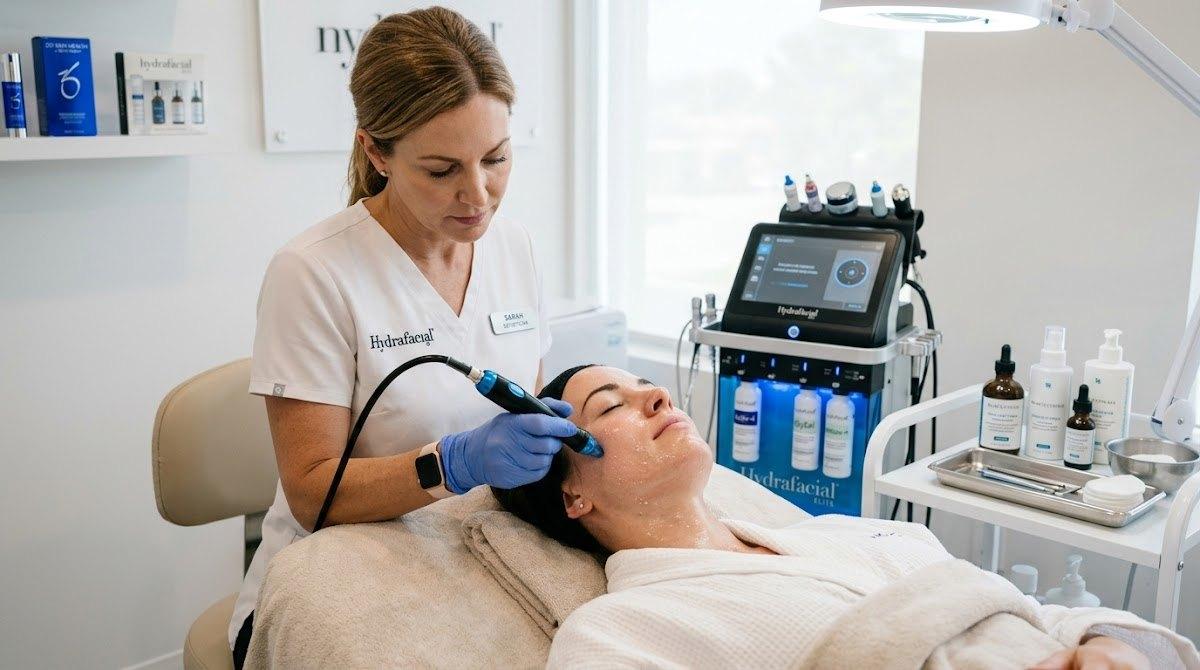
A HydraFacial is a non-invasive, machine-assisted procedure that uses advanced technology to rejuvenate the skin in ways manual techniques simply can't replicate. What sets HydraFacial apart is its patented Vortex-Fusion technology to cleanse, extract, and infuse the skin with nourishing serums through a three-step system.
Here's how the treatment works:
- 1. Cleansing & Exfoliation: The HydraFacial device uses gentle suction to remove dead skin cells and surface impurities, giving your complexion an immediate refresh.
- 2. Extraction & Hydration: A painless, vacuum-like suction clears each pore while a gentle glycolic/salicylic acid peel loosens debris. No squeezing. No wincing.
- 3. Infusion: The system infuses the skin with concentrated serum blends containing hyaluronic acid, peptides, and antioxidant compounds that hydrate the skin—all in one session.
The entire treatment starts and finishes in about 30 to 45 minutes. That's lunch-break territory.
The Traditional Facial Experience
A traditional facial is a hands-on skincare service focused primarily on relaxation and general surface-level maintenance. Think steam, physical scrubs, topical masks, and manual extraction performed by an esthetician.
These treatments deliver a pampering experience that feels wonderful. However, results depend heavily on the products and techniques your esthetician uses. Consistency varies from visit to visit, and manual techniques can sometimes be unpredictable for sensitive skin.
Key Differences: Comparing the Procedures
Treatment Duration and Efficiency
Time matters. A HydraFacial wraps up in roughly half an hour, making it ideal if your schedule is packed. You can return to your daily activities looking refreshed, not flushed after the treatment.
Standard spa facials typically run 60 to 90 minutes. That longer window includes massage, extended steam sessions, and layered masks. Relaxing? Absolutely. Efficient? Not as much.
Minimizing Downtime and Discomfort
One of the key benefits of a HydraFacial is its ability to deliver dramatic results with no downtime. Most people describe the sensation as something like a cool paintbrush gliding across their face. No redness or irritation afterward.
Traditional facials can leave you looking a bit flushed, especially after manual extraction. Physical exfoliation and aggressive peel products sometimes cause temporary redness that takes a day or two to fade. Unlike traditional facials, the HydraFacial keeps your skin looking calm and smooth immediately.
Unpacking the Benefits of a HydraFacial
Immediate Results for a Radiant Glow
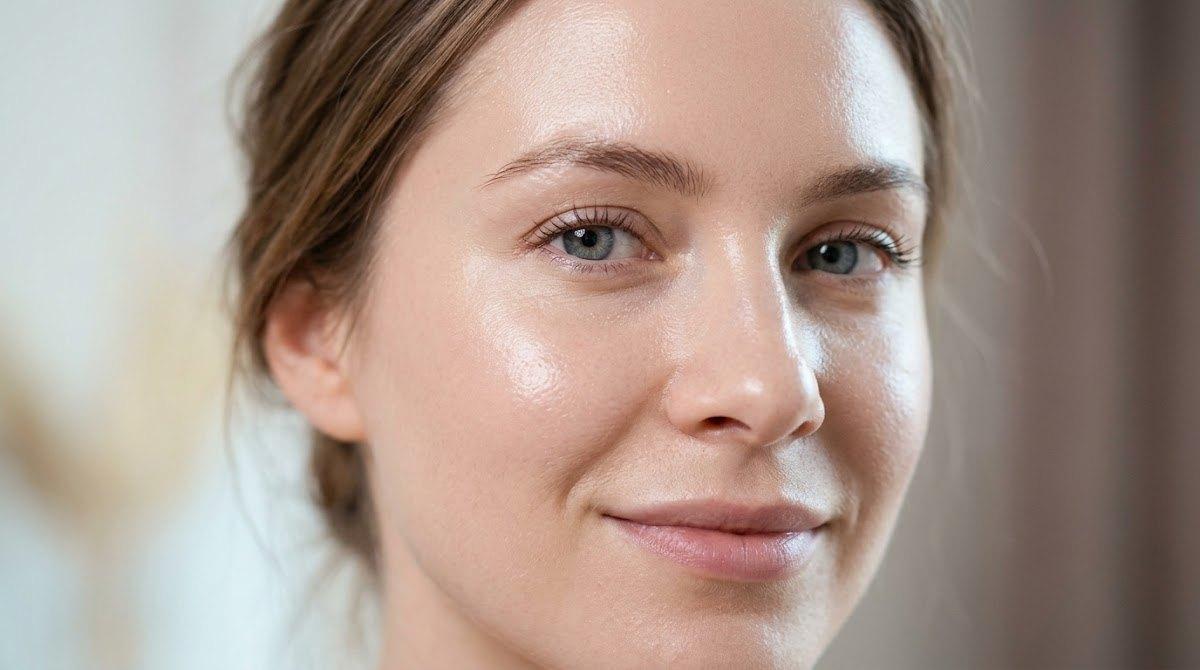
Here's what makes the HydraFacial worth the hype. After one session, your skin shows a visible glow. Texture feels smoother, uneven skin tone starts to balance out, and congested pores appear noticeably clearer.
Planning a wedding, reunion, or big event? Schedule your HydraFacial three to five days beforehand. It's the ultimate event-prep move because the radiant glow keeps building in the days following your appointment.
Long-Term Skin Health and HydraFacial Benefits
The benefits of a HydraFacial extend well beyond that initial wow factor. Infused peptides and antioxidant ingredients actively stimulate collagen production, helping firm your skin and soften fine lines over time.
Deep hydration from each session also helps prevent future acne breakouts by keeping your skin balanced and less reactive. The advantages of the HydraFacial compound when you maintain a consistent schedule.
What's more, HydraFacials pair beautifully with other medical-grade treatments. Consider combining yours with microneedling for enhanced collagen stimulation, chemical peels for deeper resurfacing, or neurotoxin treatments as part of a comprehensive anti-aging approach.
Matching Treatments to Your Specific Skin Type
Customizing for Acne, Aging, and Sensitivity
A HydraFacial is known for working across a wide range of skin types. Whether you're managing acne, tackling signs of aging, or dealing with sensitivity, the HydraFacial device adjusts intensity and serum selection to address your specific skin concerns.
Struggling with hyperpigmentation? There's a targeted serum for that. Battling severe dehydration? The hydration step can be amplified. Concerned about multiple skin concerns at once? Customization is built into every appointment.
Traditional facials can be tailored too, primarily through the products used and the esthetician's approach. But the manual extraction phase can prove too harsh for reactive or sensitive skin, sometimes causing more irritation than improvement.
A quick consultation helps determine which treatment suits your skin best. The right choice depends on your skin's needs and what you're trying to accomplish.
Choosing the Right Facial for Your Goals
When to Refresh With a Standard Spa Service
Not every visit needs to be clinical. A regular facial makes perfect sense when your primary goal is stress relief, light exfoliation, and a soothing massage. It's a great way to refresh and maintain baseline healthy skin on a monthly basis when deeper corrective work isn't on the agenda.
Think of it this way: traditional facials handle maintenance. Medical-grade treatments handle transformation.
Establishing Your Medical-Grade Treatment Schedule
For sustained anti-aging results and a consistently clear complexion, scheduling your HydraFacial every four to six weeks keeps your skincare routine on track. This frequency allows collagen-building serum ingredients to compound their effects over time.
If you're actively managing acne or frequent breakouts, a more targeted frequency of every two to four weeks can address specific concerns like congestion, excess oil, and inflammation before they escalate.
HydraFacial vs Traditional Facial: A Quick Comparison
At-a-Glance Treatment Data
| Aspect | Regular / Traditional Facial | Medical-Grade HydraFacial |
|---|---|---|
| Technology | Manual (steam, hands, topical masks) | Patent Vortex-Fusion (machine-assisted) |
| Duration | 60 to 90 minutes | 30 to 45 minutes |
| Downtime | Possible redness and irritation | Zero downtime |
| Customization | High (via topical products & esthetician) | High (via targeted serums & add-ons like dermaplaning) |
| Skin Suitability | Most profiles, variable for sensitive skin | Universally safe for all skin types |
| Results | Surface-level maintenance and a relaxed glow | Immediate deep hydration and long-term collagen stimulation |
| Ideal Frequency | Monthly | Every 4-6 weeks (2-4 weeks for acne management) |
When you compare HydraFacial and a traditional facial on paper, the differences become clear. Both have their place. But for measurable, lasting results, the HydraFacial offers a level of precision that manual methods can't match.
Your Next Step Toward Better Skin
Between HydraFacials and traditional facials, each serves a distinct purpose. Traditional facials cleanse and relax. HydraFacials cleanse, extract, hydrate, and infuse concentrated skincare ingredients deep into your skin for both immediate and long-term improvement.
The best facial treatment for you comes down to your goals. Ready to experience the difference firsthand?
Book your HydraFacial consultation today at Boujee Nurse.
Frequently Asked Questions About Hydrafacial vs Facial
Can I get a HydraFacial if I'm using tretinoin?
Most providers recommend pausing tretinoin for 48 to 72 hours before your appointment. The exfoliation and extraction steps can increase sensitivity if your skin is actively peeling from retinoids.
How much should you tip for a $300 facial?
A standard tip ranges from 15% to 20%, so $45 to $60 is appropriate and appreciated.
Can I get a HydraFacial before Moxi?
Yes, many clients schedule a HydraFacial a few days before Moxi to cleanse and prep the skin. Ask your provider about ideal timing for your situation.
What are the disadvantages of HydraFacial?
Results from a single session are temporary, and treatments need to be repeated regularly. Cost per session is also higher than a standard spa service.
What works 11 times faster than retinol?
Bakuchiol is often marketed this way, though clinical evidence is still emerging. It's a plant-based alternative that some skincare brands promote for concerns like uneven tone and signs of aging.
What cancels out tretinoin?
Benzoyl peroxide can deactivate tretinoin when applied simultaneously. Separate their application times to keep both products effective in your skincare routine.