

Your bathroom mirror tells one story. Your skincare goals tell another. Choosing between a Hydrafacial and a chemical peel feels overwhelming when both promise glowing results.
Here's the truth: these two facial treatments work completely differently. One hydrates while the other resurfaces. Understanding the key differences helps you pick the treatment that suits your skin perfectly.
Understanding the Key Differences: Hydrafacial vs Chemical Peel
When you compare Hydrafacial to chemical peel treatments, you're looking at two fundamentally different philosophies for achieving brighter skin. One nurtures. One challenges. Both work, but for different reasons.
How a Hydrafacial Works to Rejuvenate Your Skin Type
A Hydrafacial is a multi-step treatment that cleanses, extracts, and infuses your skin with powerful serums in one seamless session. Think of it as a deep refresh rather than a dramatic overhaul.
The process takes only 30 to 45 minutes. A patented medical-grade device uses vortex suction technology to gently remove impurities while simultaneously hydrating the skin. No stinging. No discomfort. Just a satisfying sensation as the device glides across your face.
Here's what happens during each step:
- Cleansing and gentle exfoliation remove dead skin cells from the surface of your skin
- Extraction pulls debris from clogged pores using painless suction
- Hydration floods your skin with nourishing serums tailored to your needs
- Optional boosters target specific concerns like fine lines or dull complexion
The Hydrafacial treatment relies on mechanical and serum-based exfoliation rather than acids. This makes it exceptionally safe for sensitive skin types. Living in Denver's dry climate? This treatment counteracts that constant battle against dehydration.
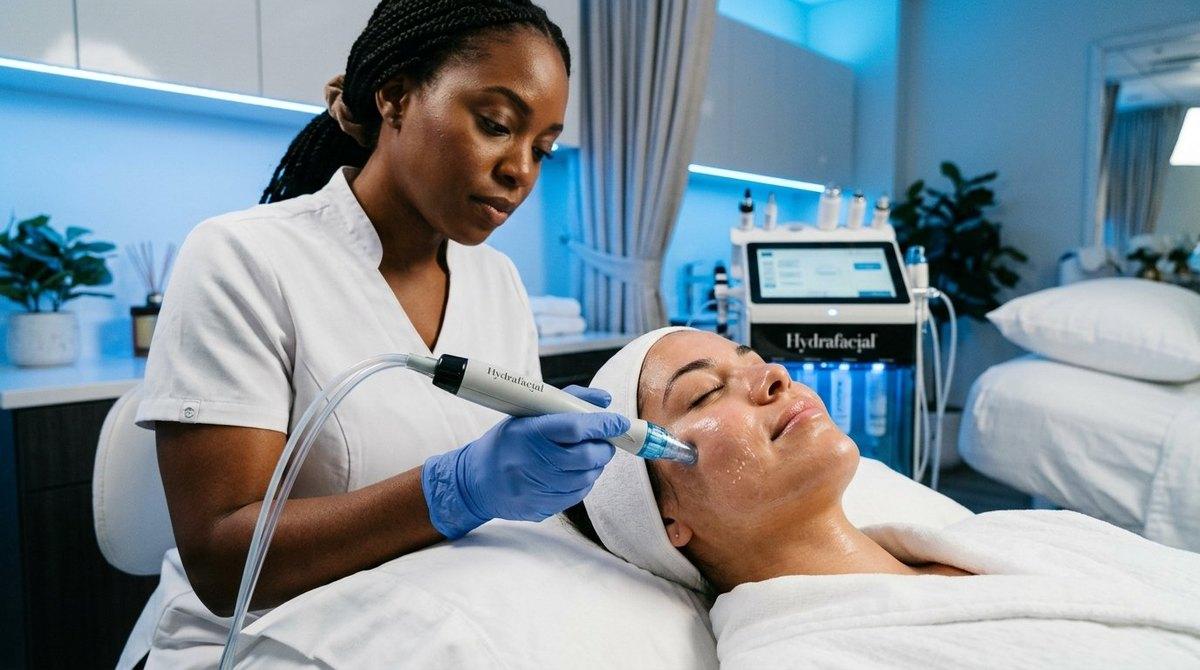
Hydrafacial uses both physical and chemical-free methods to renew your complexion. Your skin looks plump and refreshed immediately after. There's nothing harsh about it.
Using a Chemical Peel to Remove Layers for Skin Resurfacing
A chemical peel is a skin rejuvenation treatment that applies an acid-based chemical solution to forcefully exfoliate and remove damaged outer layers of skin. It's more aggressive by design.
This approach stimulates your body's natural healing response. When the acid removes the old, damaged layer, new skin emerges underneath. Collagen production increases. Cell turnover accelerates. The skin underneath appears smoother, clearer, and more youthful.
Treatment sessions run shorter, typically 15 to 30 minutes. But the real work happens over the following days as your body regenerates fresh skin.
Chemical peels vary dramatically based on acid depth and type:
- Superficial peels target only the epidermis using glycolic, lactic, or salicylic acid
- Medium peels penetrate the dermis to address deeper damage
- Deep peels reach further for significant, dramatic results
Chemical peels use varying concentrations to achieve different outcomes. During application, you'll feel tingling, warmth, or mild burning. These sensations subside once the acid is neutralized. The temporary discomfort signals that the peel is working to exfoliate and transform your complexion.
Targeted Skin Concerns: Which Treatment Is Best for You?
Different skin needs call for different solutions. Choosing the right treatment starts with understanding what you're trying to fix.
The Best Facial for Hydration, Glow, and General Maintenance
Hydrafacial is great for anyone seeking instant radiance without the commitment of recovery time. If your skin condition involves mild issues rather than deep damage, this gentle approach delivers remarkable results.
This treatment excels at addressing:
- Dull, dehydrated complexion needing intense hydration
- Mild hyperpigmentation and uneven skin tone
- Early signs of aging like fine lines and wrinkles
- Occasional breakouts and congested pores
- General maintenance between more intensive treatments
Planning a big event? A Hydrafacial clears and polishes your face immediately. Walk out the door looking camera-ready. No waiting period required.
The treatment is suitable for all skin types without exception. Even those with sensitive or reactive skin tolerate it beautifully. The hydrating effects last for days, making it ideal for regular maintenance in your skincare routine.
Tackling Acne, Scars, and Deep Damage With a Peel
When gentler spa facials stop producing improvements, chemical peels deliver the breakthrough you need. These treatments penetrate deeper into skin layers to address stubborn concerns.
Peels work exceptionally well for:
- Moderate to deep wrinkles that resist other treatments
- Heavy sun damage and age spots
- Persistent acne and acne scars
- Complex pigmentation issues including melasma
- Post-inflammatory hyperpigmentation
Oily skin responds particularly well to peels. The acid helps regulate sebum production, unclog pores, and reduce active breakouts. If acne has plagued you for years, a well-chosen peel may finally turn things around.
Medium peels address issues that superficial options can't touch. They require more downtime but produce more dramatic improvements. Deep peels deliver even more significant transformation for severely damaged skin.
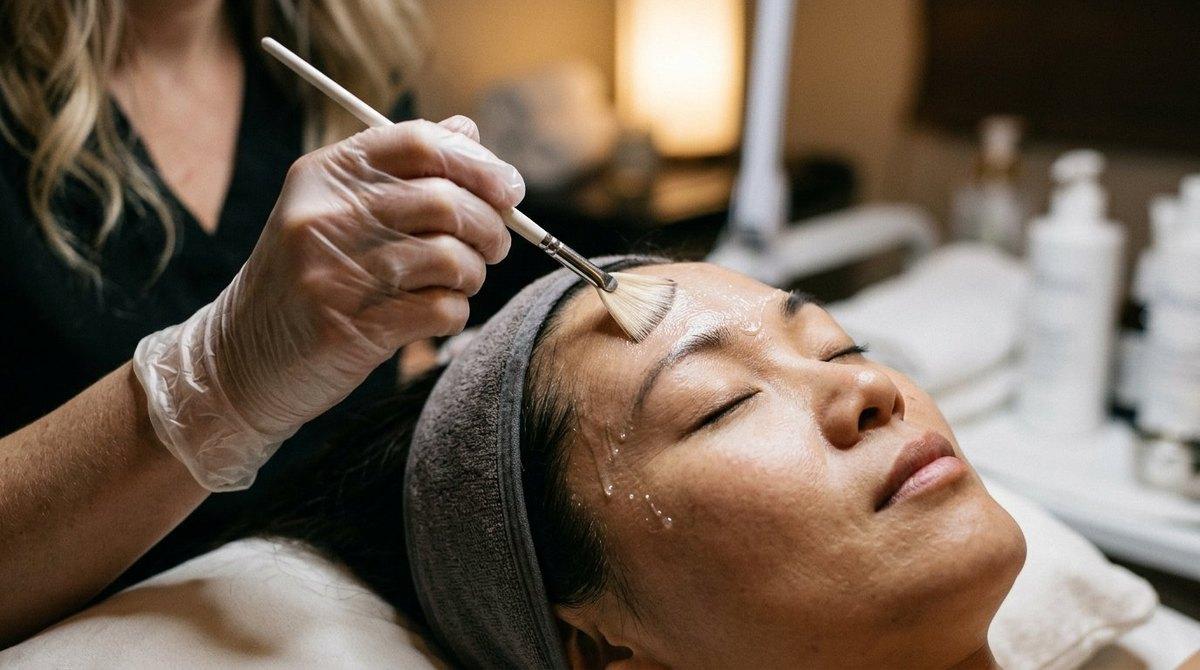
The Procedure: What to Expect During Your Resurfacing Treatment
Understanding recovery helps you plan appropriately. These two treatments couldn't be more different in their aftermath.
Downtime, Recovery, and Potential Side Effects
Hydrafacial: Zero downtime. Literally none. You can return immediately to daily activities with visibly glowing skin. Some people experience mild redness for a few hours, but it's rare and temporary.
That's the beauty of this gentle approach. Lunch break facial? Absolutely. Pre-date skincare refresh? Perfect. The lack of recovery makes it ideal for busy schedules.
Chemical Peel: Recovery depends entirely on depth. This is where planning becomes crucial.
- Superficial peels require minimal downtime with only light flaking
- Medium peels bring visible redness and peeling lasting 5 to 7 days
- Deep peels demand longer recovery, sometimes weeks, plus strict sun avoidance
Peels may cause temporary sensitivity, dryness, and obvious peeling. Your skin essentially sheds its damaged layer to reveal the fresh skin below. During healing, the treated area may look worse before it looks dramatically better.
Peels require patience. But for deep concerns, that patience pays off substantially.
Results Timeline and Associated Treatment Costs
Timeline: Hydrafacial results appear immediately. You see the glow right away, and it builds subtly with each session over time. Chemical peel results develop over 2 to 10 days as regeneration completes. The initial peeling gives way to noticeably improved texture and tone.
Frequency: Experts recommend Hydrafacials every 4 to 6 weeks for optimal skin health. This regular maintenance keeps your complexion consistently clear and hydrated. Superficial peels can happen every few weeks, while deeper peels are performed much less frequently to allow complete healing.
Cost Estimate: Hydrafacials average between $150 and $300 per session. Chemical peels range broadly from $100 for light superficial treatments to $600 or more for deep resurfacing. The investment depend on the strength and complexity of the treatment you choose.
Both options offer long-lasting improvements when incorporated into a consistent treatment plan.
Combining Skin Treatments: Hydrafacial and Chemical Peels
Here's something many people don't realize: you don't have to choose just one. Combining skin treatments strategically maximizes your results.
Maximizing Results Through Strategic Layering

Hydrafacial and chemical peels complement each other beautifully. They address different aspects of skin rejuvenation, making them perfect partners in a comprehensive skincare strategy.
Same-Day Combination: A Hydrafacial can be performed first to deeply cleanse, hydrate, and prep your complexion. Then a mild-to-moderate peel follows for an intensive aesthetic reset. The hydration primes your skin to better tolerate and respond to the acid.
Alternating Schedule: Many patients alternate these therapies every 4 to 6 weeks. The Hydrafacial maintains barrier hydration and keeps pores clear. The peel handles deeper exfoliation and resurfacing. Together, they cover every skin need.
This layered approach works especially well for complex concerns. Maybe you have acne scars but also struggle with dehydration. One treatment alone won't solve both. Strategic alternation addresses different skin layers and concerns simultaneously.
Think of it like fitness. You wouldn't only do cardio or only lift weights. The combination produces better overall results than either alone.
The Fire and Ice Facial offers another option for those seeking both refreshing and resurfacing benefits in a single session.
Making the Final Choice for Your Skin
Every skin type deserves a personalized approach. What transforms one person's complexion might not address another's concerns at all.
Quick Reference Comparison Table
Use this consolidated data to determine which approach aligns best for your skin:
| Aspect | Hydrafacial | Chemical Peel |
|---|---|---|
| Procedure Method | Vortex suction, gentle cleanse, extract, hydrate | Acid application to chemically exfoliate outer layers |
| Downtime | None (Zero recovery time) | Minimal (superficial) to days-weeks (deep) |
| Best Addressed | Hydration, mild acne, texture, sensitive skin, glow | Pigmentation, scars, wrinkles, heavy sun damage |
| Skin Suitability | Safe for all skin types | Most types; deeper solutions require clinical caution |
| Results Visible | Immediately post-treatment | Develops gradually over days as skin heals |
| Maintenance Cycle | Monthly (every 4-6 weeks) | Varies: frequent (superficial) to infrequent (deep) |
| Estimated Cost | $150 – $300 | $100 – $600+ |
Like Hydrafacial, superficial peels offer little to no downtime. But as peel intensity increases, so does recovery time.
Chemical peels may cause redness and peeling that's visible for days. Hydrafacials leave your skin looking immediately polished. The right choice depends on your tolerance for downtime, the severity of your concerns, and your skincare goals.
Depending on strength, peels penetrate deeper to remove more damaged skin cells. This aggressive approach suits those with stubborn issues that haven't responded to gentler methods.
Finding Your Perfect Treatment Path
The Hydrafacial vs chemical peel debate doesn't have a universal winner. The best treatment is simply the one that's best for your skin specifically.
If you want even skin tone, consistent hydration, and a polished appearance with zero recovery, Hydrafacials treatments offer an ideal solution. They're perfect for maintenance and keeping your complexion consistently healthy.
If acne scars, wrinkles, or sun damage have reached a point where gentle treatments plateau, chemical peels deliver the transformative results you're seeking. The temporary discomfort and recovery period lead to significantly improved texture and clarity.
A skilled aesthetician can guide you to the right choice based on your current skin condition, lifestyle, and goals. Sometimes the answer is one treatment. Sometimes it's both in rotation.
Whatever path you choose, consistent professional care combined with quality at-home skincare creates lasting improvements. Your skin deserves that commitment.
Frequently Asked Questions About Hydrafacial vs Chemical Peel
Which is better, a HydraFacial or chemical peel?
Neither is universally better. Hydrafacials excel at hydration and maintenance. Chemical peels tackle deeper damage like scars and wrinkles. Your specific skin needs determine the ideal choice.
Can I get a HydraFacial if I'm using Tretinoin?
Yes, but inform your provider. You may need to pause tretinoin briefly before treatment to avoid excess sensitivity.
What is the best age to get a peel?
There's no perfect age. Superficial peels suit younger skin for acne control. Deeper peels address aging concerns in mature skin.
Does HydraFacial give instant glow?
Absolutely. The treatment immediately delivers visible radiance. Your skin appears plumper and more luminous right after your session.
Do dermatologists recommend chemical peels?
Yes. Dermatologists frequently recommend peels for acne, pigmentation, and aging. They're proven effective for various skin concerns when properly administered.
How long do HydraFacial results last?
Results typically last 5 to 7 days initially. With regular monthly treatments, improvements become more sustained and long-lasting over time.