

You booked your appointment, or maybe you're still deciding. Either way, one question usually comes first: how long does Botox last?
This guide breaks down the real timeline, what affects it, and what you can do to help your results stay smooth, natural, and consistent.
Maybe you want softer expression lines for an event. Maybe you just want a treatment option that feels low-commitment and predictable.
Here’s the good news: Botox is not permanent, and that makes planning easier. Below, we’ll cover timing, aftercare, and smart habits that support better results.
If you’ve heard five different answers from five different people, you’re not imagining it. Botox timing can vary, but there are clear patterns.
Let’s make it simple. You’ll learn what’s normal, what’s not, and how to think about Botox results with realistic expectations.
Common Questions About Botox®: How Long Does Botox Last?
Botox® is one well-known brand name for botulinum toxin, a purified neurotoxin used in both cosmetic and medical care. Botox is a prescription injection that works by temporarily relaxing specific muscles. In aesthetics, it’s used to reduce the appearance of facial wrinkles, especially in different facial areas like the forehead, frown lines, and crow’s feet.
So, how long does Botox last for cosmetic use? For most people, results typically last 3-4 months. That is the standard timeframe for softening facial wrinkles and lines and wrinkles caused by repeated movement.
It does not stay forever. Nerves slowly start sending signals again, the treated muscles regain movement, and the effects of Botox fade. When that happens, muscles may contract more normally, and the wrinkle can gradually return.
Here’s where it gets interesting. First-time Botox treatment can wear off a bit faster. Some patients notice their first round lasts closer to two months, while later visits may last longer because the facial muscles become less active with consistent treatment.

For medical uses, the timeline changes. When providers inject Botox for sweating in the underarms, palms, or soles, results often last 6-8 months. If that is your concern, our hyperhidrosis treatment page covers what to expect from sweating treatment .
Also, don’t expect instant change. You may notice early softening within a few days, but full effects take time. Most people see results visible within 3-7 days, with full results settling in by 14 days.
Essential Botox Longevity Statistics
| Statistic / Data Point | Value | Context |
|---|---|---|
| Average Duration | 3-4 months | Standard timeline for cosmetic wrinkles |
| Extended Duration Range | 4-6 months | Seen in specific patients with regular routines |
| Shorter Duration Range | 2 months | Possible for first-timers or quicker breakdown |
| Sweating Treatment Duration | 6-8 months | Common for underarms, palms, and soles |
| Initial Onset of Effects | 3-7 days | When visual changes begin |
| Full Results | 7-14 days | Best time to assess if touch-up is needed |
| Faster Onset with Exercises | 68% | Studied females who saw quicker onset post-exercise |
| Recommended Daily SPF | 30+ | Minimum sunscreen level for skin protection |
Factors That Influence Botox Longevity
Not everyone responds the same way. A few factors influence how long your results last, and some matter more than people think.
First, your body naturally breaks the product down. According to this study , digestive proteins in nerve endings help process the toxin over time. That means Botox last is never permanent, no matter how skilled the injector is.
Next comes dosage and timing. Too much product, or Botox injections placed too often, can increase the chance of resistance. The FDA notes in its labeling that antibodies may reduce response in some cases. In plain English, more is not always better.
Muscle behavior matters too. Think about it this way. If you keep treating the muscles that cause expression lines at smart intervals, they often become less forceful. Over time, that can help maintain results and support longer-lasting results.
Stress plays a role as well. Chronic stress raises cortisol, which can affect skin health, collagen, and elasticity. It may also influence how long your results last by speeding up normal breakdown in the body.
Your metabolism counts. Faster metabolisms may process the neurotoxin more quickly. Your activity level, muscle strength, treatment area, and the amount of Botox used can all change the outcome. This is one reason results may vary from person to person.
10 Expert Tips to Maximize Long-Lasting Results
1. Optimize Your Botox Aftercare Routine
Aftercare is not complicated, but it matters. Follow your provider’s post-treatment care instructions closely, especially in the first few hours after treatment.
Avoid strenuous workouts for at least 24 hours after treatment. Heat, heavy exertion, and increased blood flow can affect the injection site and raise the risk of bruising at the injection points. You should also avoid rubbing or massaging the treated areas.
Skip harsh scrubs, strong toners, and tight masks for 1-2 weeks. A small bump, mild bruise, or tenderness can happen after an injection, but most of it settles fast. Some people also feel slightly numb for a short period.
2. Stick to a Strategic Scheduling Routine
Good timing works better than over-treating. Most providers recommend maintenance every three to four months to maintain a steady look without overdoing the dosage.
Try not to book appointments too close together. Treatment is essential, but spacing matters. When you are receiving treatment too often, the patient’s body may respond less predictably.
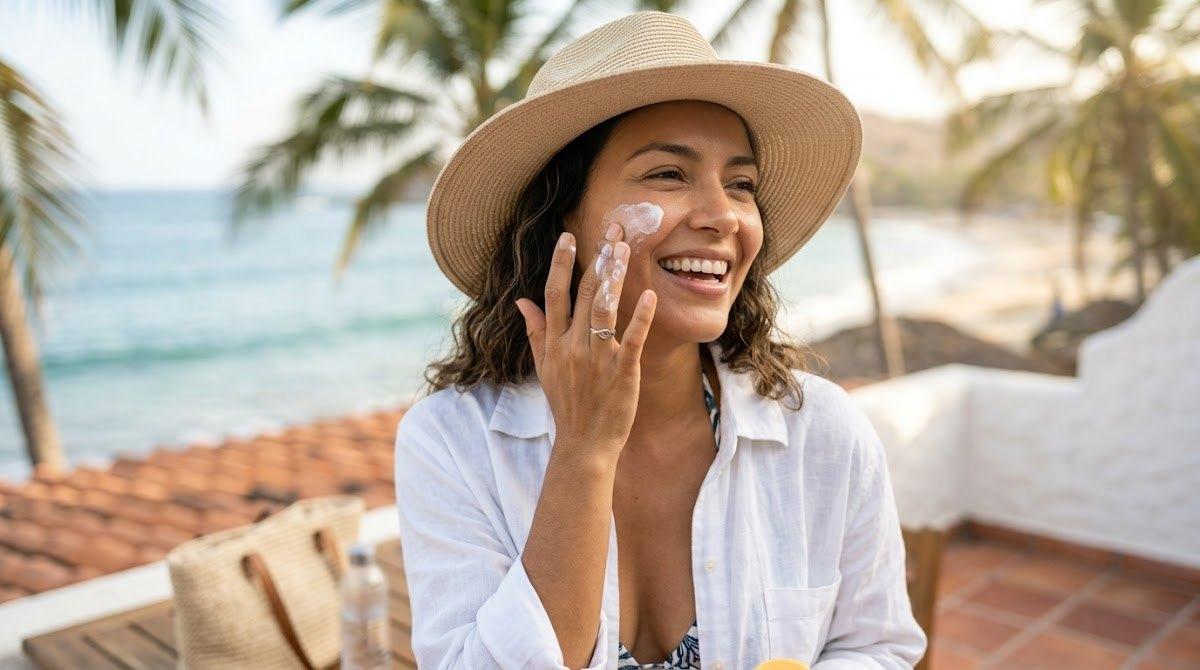
3. Prioritize Daily Sun Protection
Sun exposure is rough on skin. It increases flushing, breaks down collagen, and can make fine lines and wrinkles more obvious.
Use broad-spectrum SPF 30+ every day. A hat helps too. If your goal is long-lasting results, daily sun protection is one of the easiest habits to keep.
4. Invest in Medical-Grade Skincare
Good skincare supports the overlying skin, not just the injectable itself. Look for niacinamide, vitamin C, hyaluronic acid, and retinol if your provider says they fit your routine.
It also helps to avoid irritating ingredients. This article explains concerns around SLS. Healthy skin can help reduce the appearance of facial aging and support optimal results after a Botox treatment.
5. Nourish Your Body: Diet and Hydration
Water matters more than most people think. Staying hydrated supports skin health and helps your skin look smoother overall.
Try to limit alcohol, heavy sugar, and ultra-processed foods. These habits affect collagen and can make facial wrinkles look more pronounced. Also mention all medications and supplements before treatment, since some can raise the risk of bruising.
6. Manage Stress and Cortisol Levels
Stress shows up on your face. That’s not just a saying.
Yoga, walks, sleep, and breathing exercises can help lower cortisol. Less stress supports your skin and may help Botox results hold their shape a bit better.
7. Avoid Smoking and Vaping
Smoking reduces circulation and damages collagen. Vaping is not great for skin either.
There’s also the movement issue. Repeating lip motions over and over can deepen lines around the mouth. If you want Botox to reduce the appearance of movement-related creasing, this habit works against you.
8. Perform Gentle Facial Exercises Post-Treatment
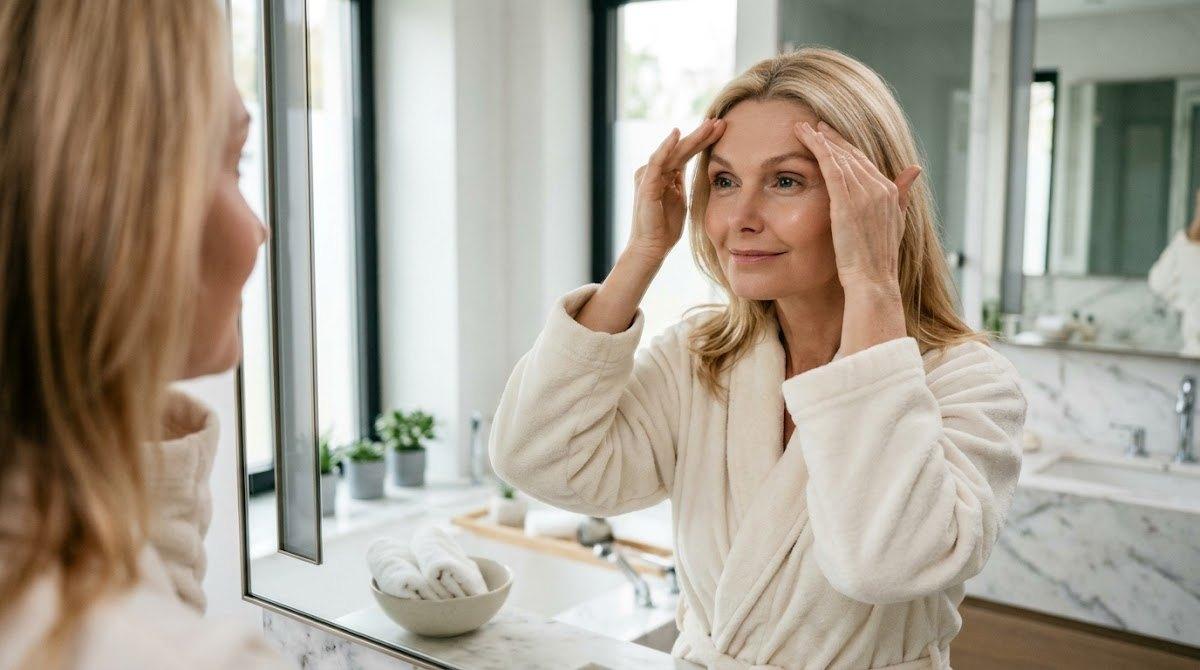
This one surprises people. Some patients notice a faster onset when they gently move the treated muscles right after treatment.
Small expressions like raising the brows, smiling, or squinting may help. One study found 68% had quicker onset after exercise. That does not mean intense gym time. Keep it light in the first 24 hours after treatment.
9. Be Mindful of Extreme Facial Expressions
You don’t need a frozen face. But repeated squinting, frowning, or exaggerated movement in treated muscles can make those facial muscles work harder.
If you’re trying to reduce the appearance of facial lines, gentler expression patterns can help. This is especially true in high-movement areas.
10. Consider Specialized Combination Therapies
Sometimes Botox is only part of the plan. Fillers can restore volume, while lasers can improve texture and the overlying skin.
That’s why combination care often gives stronger results but also a more balanced look. If you’re exploring options, our pages on neurotoxin treatments and dermal fillers explain how these approaches can work together. For safety, choose a board-certified plastic surgeon or similarly qualified injector. The surgeon finder can help you check credentials.
The Nuanced Debate: Can Zinc Supplements Maximize Results?
You may hear that zinc helps Botox last longer. Some providers bring it up, and some patients swear by it.
But the evidence is thin. The American Academy of Dermatology says there is not enough evidence to recommend zinc for this purpose. Too much zinc can also cause real problems, including anemia and nerve issues.
So where does that leave you? Focus on what is proven: safe and effective dosing, good aftercare, sun protection, healthy skin, and realistic expectations. Dysport and Botox may act a little differently to Botox alternatives, but the same common-sense care still applies.
Conclusion
Botox is a reliable way to soften movement-related lines, but it is not permanent. Most cosmetic results last three to four months, while sweating treatment can last longer.
The biggest difference-makers are smart scheduling, following post-treatment care, skin protection, and injector skill. If you want a plan tailored to your aesthetic goals, a thoughtful consultation is the next step.
Frequently Asked Questions About How Long Does Botox Last
What happens after 10 years of Botox?
With consistent treatment, many patients achieve softer movement patterns, so some lines may look less etched even as Botox wears off.
What is the rule of 3 in Botox?
It usually refers to booking maintenance about every 3-4 months to maintain results safely.
What happens when Botox wears off?
The nerves start signaling again, relaxing the muscles less, and movement slowly returns in the treatment area.
Which lasts longer, Botox or fillers?
Fillers often may last longer than Botox, depending on the product, placement, and your metabolism.
Will Botox work on a 70 year old woman?
Yes, Botox can still work on older skin, though results depend on skin elasticity, wrinkle depth, and treatment goals.