

Some climates let you get away with a basic cleanser and random moisturizer. Colorado is not one of them. Here, your skin deals with dryness, fast evaporation, and stronger UV exposure almost every day.
We will walk through the real reasons this happens, how to build a smarter skincare routine, and when treatments like HydraFacial or microneedling make sense.
Understanding Skin in Colorado: A High-Desert Challenge
Let’s start with the obvious. Denver has a unique climate, and your skin feels it.
Average humidity in Denver sits around 30 to 35%, far lower than coastal cities like Seattle, which is closer to 75% in many periods. With low humidity , water escapes more easily from the skin. Dry air keeps pulling moisture from your skin, even when your routine looks solid on paper.
Then there is the sun. Colorado gets roughly 300 days of sunshine each year. Nice for weekend plans, rough on your face. Add outdoor time, wind, and quick evaporation during exercise, and hydration loss becomes a daily problem.
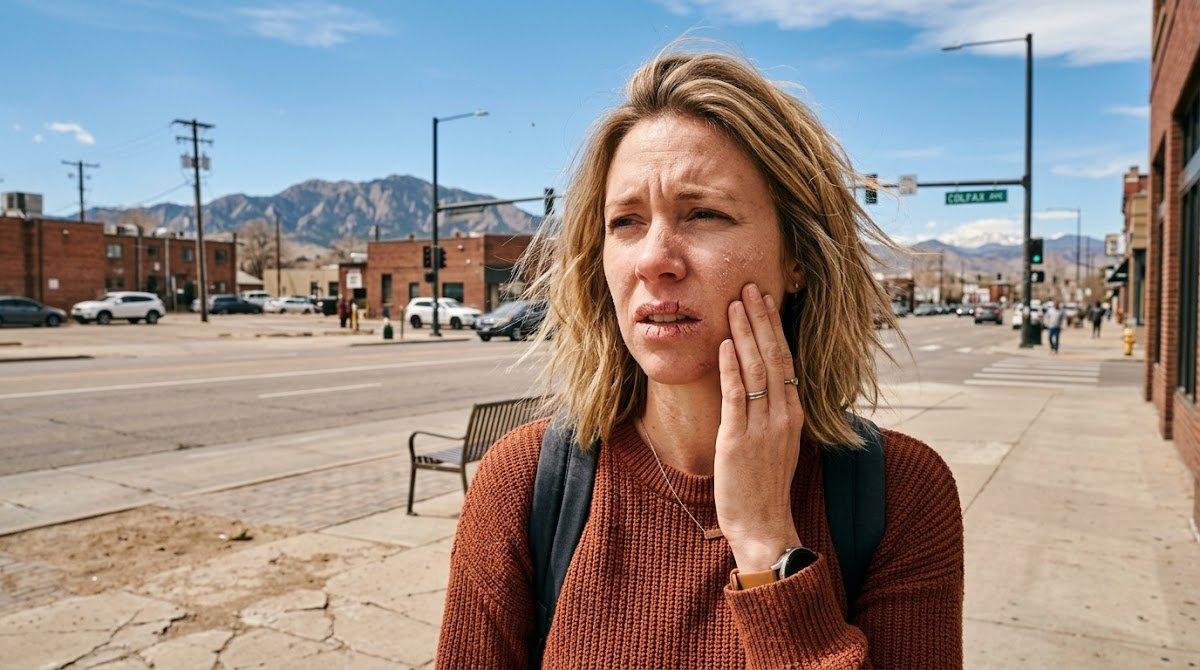
This is why living in Colorado often means your usual products stop working. What felt rich enough at sea level may suddenly feel useless here.
The Hidden Danger of High Altitude on Your Skin
High altitude is not just a mountain phrase. It changes how much UV reaches your skin.
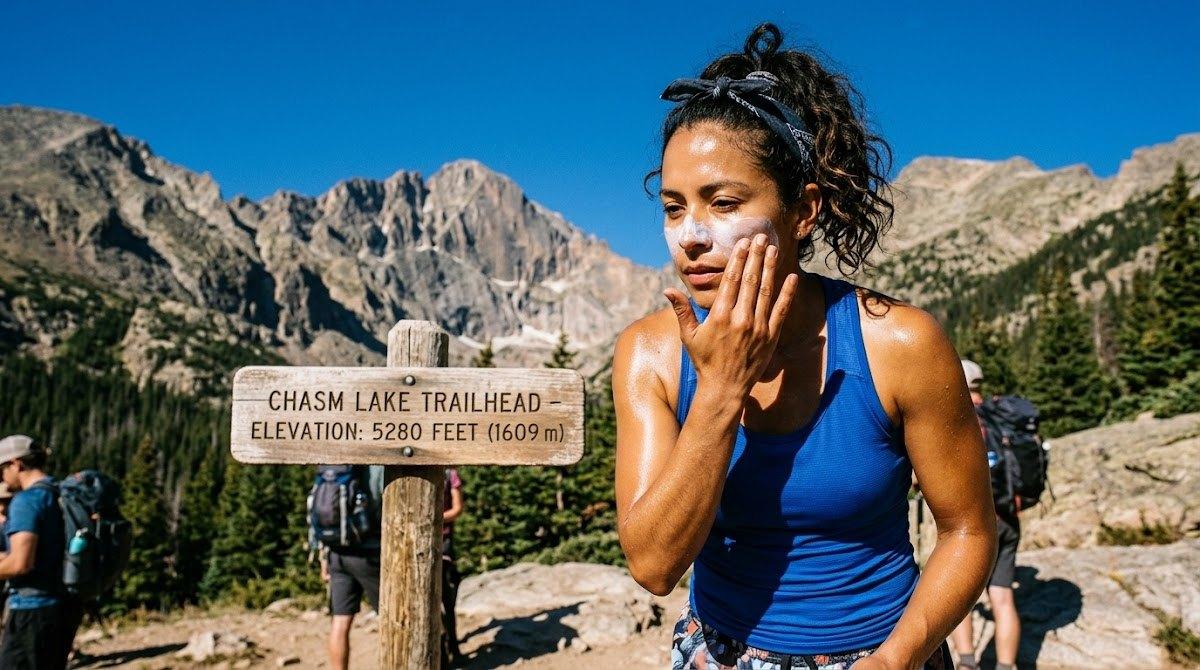
Denver sits at 5,280 feet of elevation . UV light intensity rises by about 4% for every 1,000 feet gained, according to the EPA . At this altitude, people in Denver get about 20% more intense UV radiation than those at sea level locations.
Think about it this way. At sea level, the atmosphere filters more sunlight before it reaches you. At high-altitude settings, that filter is weaker. More UV, more photoaging, more irritation, more pressure on the skin’s natural barrier.
How the Colorado Climate Affects Your Complexion
Colorado's climate creates unique environmental challenges. Strong sun, wind, low humidity, and dramatic temperature shifts all chip away at healthy skin.
Your skin barrier is a protective outer layer made of lipids, water, and cells. The skin barrier is a shield that helps retain hydration and keep irritants out. When that barrier breaks down, you get tightness, redness, flaking, and faster signs of aging.
That is why Colorado skin often looks dull before it looks dry. The damage starts deeper, with barrier stress and water loss.
Combating Extreme Dryness and Itchiness
Recognizing the Symptoms of Barrier Damage
Here is where many people get tripped up. They think they have dry skin, but the bigger issue is barrier damage.
Barrier repair becomes urgent when your face feels itchy, stingy, or rough for days at a time. Common signs include:
- sharp tightness in the cheeks by midday
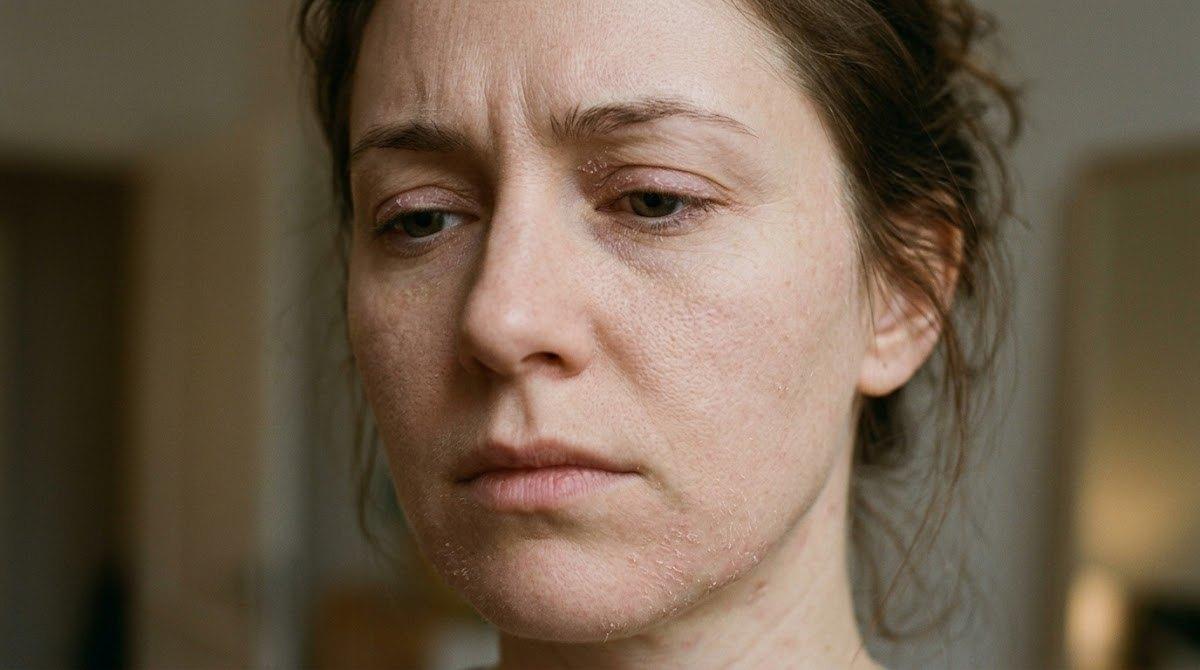
- peeling around the cheeks, jawline, or eyelids
- cracks at the corners of the lips or eyes
- makeup that pills or refuses to blend
- burning after cleansing
- patches that flake without warning
Dryness can also trigger breakouts. Yes, really. When your skin’s natural barrier is compromised, oil production can swing in either direction. Even oily skin can feel dehydrated and reactive.
If your products suddenly burn, stop pushing through it. Your skin needs fewer actives and more support.
Winter Skin: Surviving Chilly Winds and Low Humidity
The Impact of Indoor Heating and Freezing Temperatures
Winter skin in Denver has its own personality, and it is not always pleasant.
Outside, freezing wind strips away surface oils. Inside, forced-air heat lowers indoor humidity even more. That double hit can make skin dryness feel relentless. Many people also drink less water in cold weather, which does not help hydration from within.
Because of this, conditions like eczema, rosacea, and atopic dermatitis often flare when the temperature drops. Colorado residents with sensitive skin challenges usually notice more redness, itching, and irritation in winter.
The fix is not one miracle cream. It is a plan you can customize to your skin needs and your skin type.
Building Your Ultimate Skincare Routine for Healthy Skin
Choosing the Right Moisturizer for Daily Defense
Let’s make this simple. Consistency matters more than brand names.
A smart skincare routine for Colorado skin follows a clear pyramid:
- Base: protect with broad-spectrum SPF every morning
- Middle: hydrate with humectants, then seal with emollients and occlusives
- Top: repair with an antioxidant at night and a retinoid a few times a week
Humectants like hyaluronic acid and glycerin pull in water. Emollients soften rough areas. A ceramide cream helps support barrier repair. If your face feels stripped, apply hydrating serums to damp skin, then follow with moisturizer to lock that water in.
A peptide serum can also help support a smoother look. Just do not overdo active products while your barrier is struggling.
Most people see improvement in 2 to 4 weeks. Chronic dryness can take 2 to 3 months to settle.
How to Hydrate and Protect Your Barrier at Home
At-home care matters more than most treatments. That is the truth.
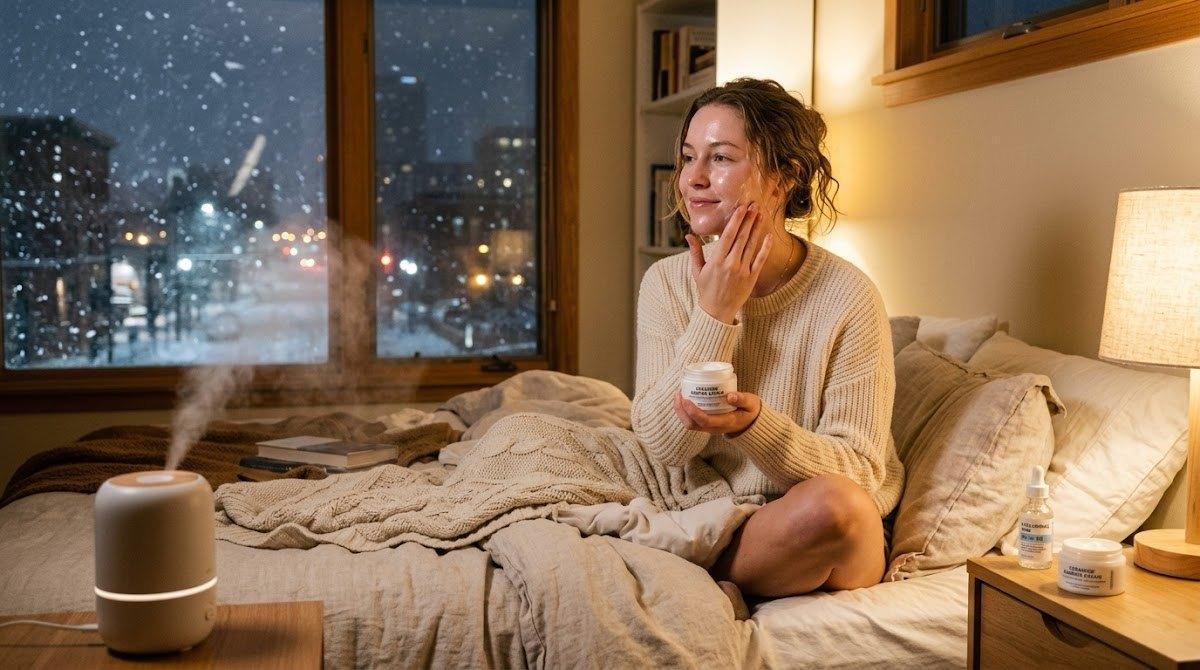
To hydrate and protect the skin barrier at home:
- use a humidifier, especially in bedrooms during winter
- take shorter, lukewarm showers
- choose gentle cleansers that do not strip oils
- avoid over-exfoliating dead skin cells
- drink water steadily throughout the day
- use an at-home routine that you can actually stick to
If you want radiant skin, the goal is not to pile on products. It is to personalize your routine so it supports skin health instead of overwhelming it.
Why Sunscreen is Non-Negotiable Year-Round
You cannot out-moisturize sun damage. That is the part many people miss.
A broad-spectrum sunscreen matters every day, not only during summer. In Denver, high altitude increases UV intensity, and snow reflects light back onto the skin during winter sports and bright cold days. That means more sun exposure than you may expect.
Use broad-spectrum SPF 30 or higher every morning. Better yet, make it a broad-spectrum SPF 30 step you never skip. Apply SPF 30 about 30 minutes before going outside, and reapply if you stay out, sweat, or spend time near reflective surfaces.
Moisturizing formulas can help if your skin leans dry. The point is daily protection, year-round.
Professional Interventions for Deep Rejuvenation
Top Recommended Treatments Across Med Spas
Sometimes home care is not enough. When barrier stress, dullness, rough skin texture, or dehydration linger, professional treatments can help bypass surface issues and deliver deeper hydration.
Here is a quick breakdown:
| Treatment Category | Top Examples | Key Benefits for Arid Climates |
|---|---|---|
| Hydrating Facials | HydraFacial, Hydrofusion | Provides deep hydration, gentle extraction, plumpness, and a radiant glow. |
| Exfoliation | Dermaplaning, Microdermabrasion | Buffs away dead cells, enhances serum absorption, and smooths texture. |
| Injectables | SkinVive by Juvéderm | Boosts internal hydration directly beneath the surface for a dewy texture. |
| Microneedling | SkinPen, Aquagold | Triggers collagen production, resets the barrier, and delivers nutrients directly. |
| Light-Based | BBL, IPL Photofacial | Corrects hyperpigmentation and winter redness while stimulating collagen. |
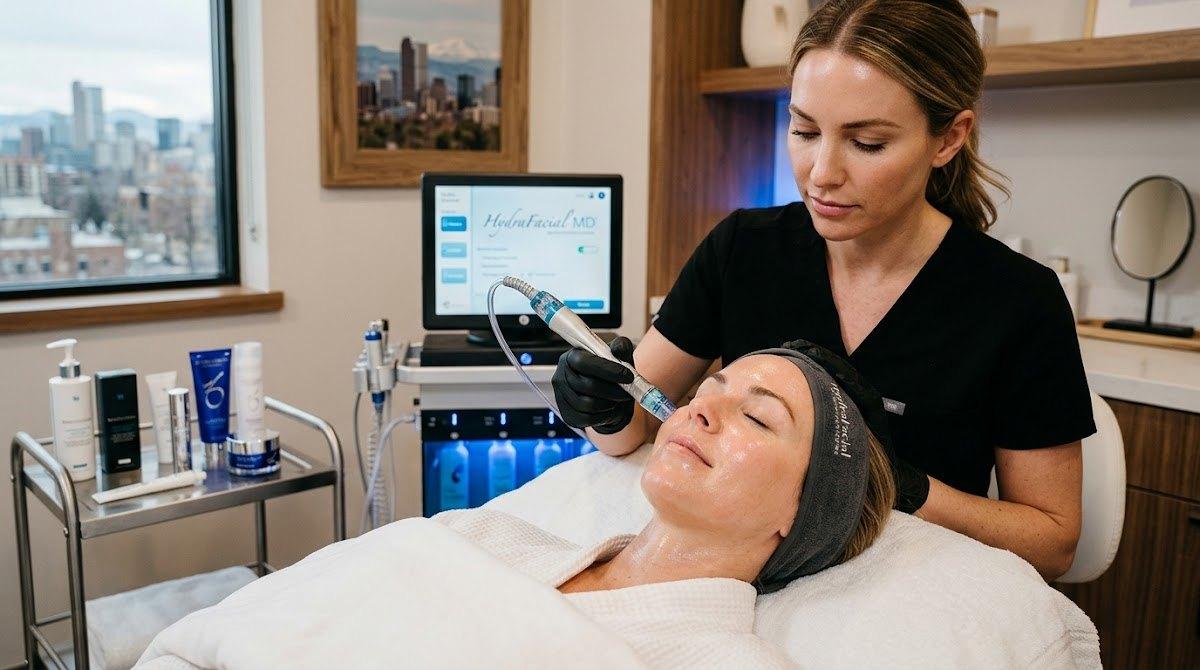
A HydraFacial is often a great first step for Colorado's dry climate because it cleanses, exfoliates, and infuses hydration in one session. For long-term renewal, microneedling can improve skin texture, support cell turnover, and help tired skin look firmer.
If redness, pigment, or sun spots are part of the issue, light-based treatments may help target visible damage caused by Colorado's unique climate and daily UV exposure.
The best plan is the one you customize to your skin concerns, tolerance, and goals. That is especially true with high-altitude skincare, where over-treatment can backfire.
When to See a Dermatologist for Skin Cancer Screenings
Managing High-Risk Exposure
A dermatologist is a medical doctor who diagnoses and treats skin, hair, and nail conditions.
That matters in Colorado. Because of stronger UV, Colorado residents face higher rates of both melanoma and non-melanoma skin cancer, according to the Colorado Department of Public Health & Environment . Annual checks with a dermatologist are a smart move, especially if you have a history of burns, lots of outdoor time, or changing moles.
A dermatologist can also help with rosacea, eczema, and other conditions made worse by low humidity and Colorado's climate. Med spa care and medical oversight can work well together when skin concerns go beyond cosmetic dryness.
Conclusion
Colorado's dry climate, high altitude, and intense sun create unique challenges for your skin. The right mix of barrier support, daily SPF, smart hydration, and targeted treatments can make a visible difference. If your routine is not enough, professional guidance can help you protect healthy skin and restore a smoother, more comfortable glow.
Frequently Asked Questions About Denver Dry Climate Skincare
How to combat dry skin in Colorado?
Use a gentle cleanser, rich moisturizer, humidifier, and daily SPF. Focus on hydration and barrier repair.
What is the 4 2 4 rule in skincare?
It is a cleansing method using oil cleanser for four minutes, foam cleanser for two, then rinsing for four.
What skincare is good for dry climates?
Look for humectants, ceramide creams, peptide serums, and gentle formulas that protect the skin barrier.
How to stay moisturized in Denver?
Apply products on damp skin, use a humidifier, avoid hot showers, and keep moisture levels up all day.
Why is my skin breaking out in Colorado?
Dryness and barrier stress can trigger irritation and clogged pores, even when your face feels dehydrated.
Why do I feel so dry in Colorado?
Low humidity, dry air, high altitude, and indoor heat all pull water from the skin and body fast.