

People hear stories about becoming immune to Botox and imagine it happens all the time. It doesn’t. Still, the question matters if your results suddenly change.
Here’s what’s real, what’s rare, and what a skilled injector should evaluate before calling it true Botox resistance.
Understanding Botox Resistance: What It Means for Your Aesthetic Goals
“Botox resistance is a” term used when a treatment stops giving the expected smoothing effect after an injection, or never works well to begin with. In simple terms, your body or the treatment process prevents the product from doing its job.
That sounds alarming. But slow down for a second.
When Botox doesn’t work, the reason is not always immunity. In many cases, the issue is dose, placement, handling, facial anatomy, or changes in muscle movement over time. That matters because the best solution depends on the real cause.
If you are exploring neurotoxin treatments , this distinction is worth understanding before assuming your body has become immune to Botox.
How Your Body Interacts with a Neurotoxin
A neurotoxin is a purified protein that relaxes muscles that cause wrinkle formation. In aesthetic medicine, most products use botulinum toxin serotype A, the most potent toxin type for cosmetic use.
Here’s the key part. Active botulinum toxin is a high-molecular-weight complex. It contains a 150 kD core neurotoxin and 900 kD complexing proteins. Only the core neurotoxin creates the smoothing effect by blocking the release of acetylcholine at the neuromuscular junction. That pause reduces muscle contractions and softens lines.
The complexing proteins do not create the cosmetic result. Their main role is structural. However, they may cause the immune system to notice the product more. Because of this, they can increase the risk of antibody formation in rare cases.
Think about it this way. Your body may ignore the active part just fine, but react to the extra proteins around it. That is where Botox resistance becomes part of the conversation.
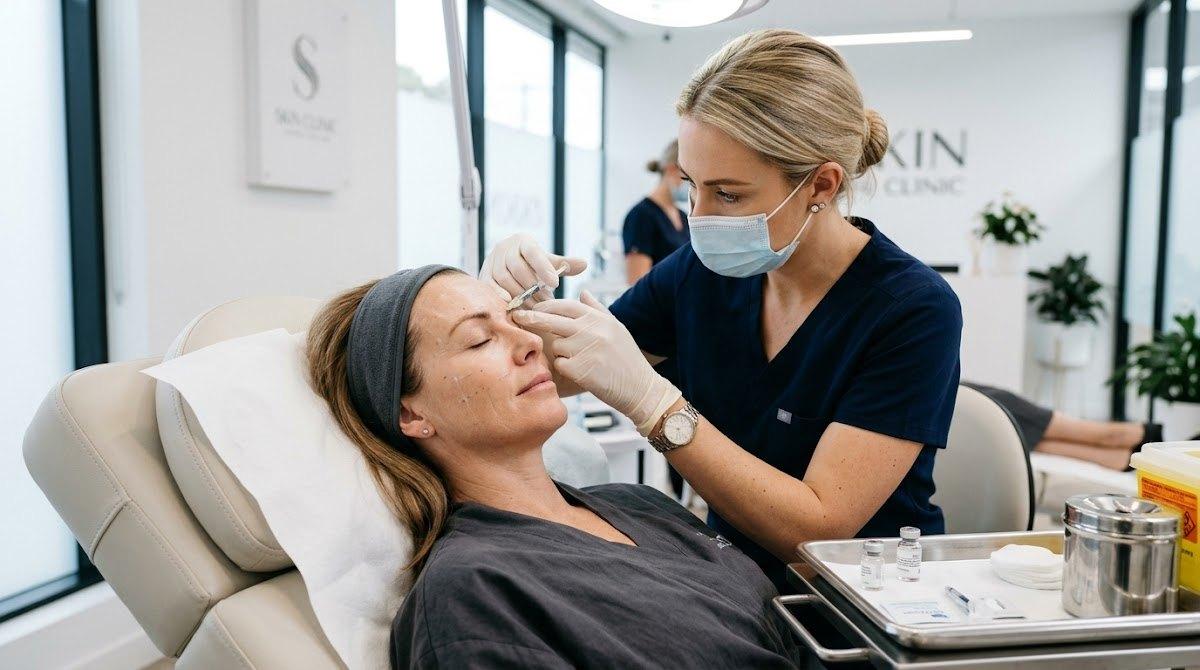
Commercial neuromodulators are usually Type A or Type B. Products like Botox, Dysport, Jeuveau, Daxxify, and Xeomin are Type A. Myobloc is botulinum toxin type B and works differently, which can matter when switching to a different type after treatment failure.
The Core Causes of Neuromodulator Treatment Failure
Not every lack of response is caused by immunity. In fact, most failed cosmetic injections are tied to practical issues, not antibodies.
That’s good news. It means there may be a fix.
Immunogenic Resistance: The Role of Antibodies
An antibody is a protein made by your immune system to recognize and fight something it sees as foreign. In this setting, the body may produce antibodies after repeated exposure to complexing proteins.
When those antibodies against the botulinum toxin become blocking antibodies, they are called neutralizing antibodies. These antibodies to neutralize the treatment can reduce or stop its effect. This is the mechanism behind true Botox resistance.

Research suggests the main culprit in formulas with complexing proteins is a high anti-complexing protein antibody level, above 90.5%. Higher protein load may increase the risk of developing resistance over time. That is why high doses, frequent touch-ups, and unnecessary boosters matter.
Still, let’s keep perspective. The risk of developing this kind of immunity from the aesthetic use of Botox is low.
Non-Immunogenic Factors Impacting Neurotoxin Injections
This is where many people get tripped up.
A product may not seem to work even when no antibody is involved. Handling matters. Reconstitution matters. Injection technique matters. If an injector shakes a vial aggressively for 30 seconds or uses a very small needle to aspirate, potency can drop by 42% compared with gentle prep.
Anatomy changes too. The aging process, shifting facial anatomy, and altered muscle movement can make an old pattern less effective. Muscles adapt. Synaptic recovery can happen. Motor axon sprouting may also change how your nerves respond after repeated neurotoxin injections.
Metabolism plays a role as well. Some patients may break down the product faster and feel that results do not last as long as expected. Others need a different dosage, fewer units in one area, or a better number of units overall.
And yes, product integrity matters. Counterfeit Botox, over-dilute product, or poor storage may cause a weak result before biology is even part of the story.
How Common is True Immunity to an Injection?
Short answer: very uncommon in cosmetic care.
A recent analysis found aesthetic occurrence around 0.5%. Natural baseline resistance in people who have never had treatment is estimated at 1 in 10,000. The prescribing information from Allergan reports neutralizing antibody development in up to 1.5% of patients for standard aesthetic indications.
Now compare that with medical use. Patients treated for dystonia, migraine, cerebral palsy, or other conditions may receive high doses for years. In those settings, resistance rates can rise from 0.5 to 2.0% at first to 15.7% after an average of 5.6 years.
That gap tells you something important. Cosmetic Botox injections usually use lower doses, better spacing, and fewer treatment cycles than therapeutic care. Because of this, developing Botox resistance in a spa setting is unusual.

Identifying and Preventing Botox Resistance
Before anyone says you have Botox resistance, a careful review should happen first. This is not a one-glance problem.
A trained healthcare provider should look at product choice, storage, preparation, dosage, injection placement, and your treatment history.
Recognizing the Signs of Treatment Failure
Primary nonresponse means you get less than 25% improvement from the first session, even after a dose increase or two to three treatment attempts. If that happens, your injector may suspect baseline insensitivity, poor targeting, or a problem with the strain of neurotoxin used.
Secondary nonresponse is different. You respond well to early Botox treatments, then later the effect weakens or disappears. Studies show 53.6% of secondary non-responders have developed neutralizing antibodies.
That said, secondary failure still needs context. Plastic surgery history, changing muscle strength, deeper frown lines, or a shift in wrinkle pattern can all make results look less effective. A board-certified plastic surgeon or experienced injector may also review whether another treatment area is compensating with more muscle contractions.
So what should you watch for?
- Results fade much faster after each injection
- A familiar area suddenly stops responding
- A higher number of units gives little extra benefit
- Botox injections work in one area but not another
- You are getting injected more often just to maintain a natural-looking effect
If that sounds familiar, it may point to potential resistance, but not always true immunity.
Strategies to Maintain Ideal Results from Neurotoxin Injections
There are smart ways to lower the odds of antibody formation.
First, space your treatments. Proper spacing means waiting at least three months between visits and avoiding extra boosters. This helps allow your body to reset and limits overexposure.
Second, use the lowest effective dose. Lower doses reduce protein exposure and may lower the chance your body will produce antibodies.
Third, consider a break if needed. In select cases, toxin holidays of 6 to 18 months can allow your body to clear antibodies. That may help patients who develop immunity or show a persistent lack of response.
There is also a nutritional angle. One small study found that taking 50 mg of zinc and phytase four to five days prior to treatment led 92% of subjects to see a 30% duration increase. It is not a magic fix, but supplemental support is another option worth discussing.
Exploring Alternative Neuromodulators and Solutions
If Botox resistance is suspected, you still have choices. That’s the part many people miss.
Switching to a different formula can help, especially if the goal is to reduce exposure to complexing proteins.
Comparing Popular Toxin Formulations
Xeomin is a purified neurotoxin without complexing proteins, which may lower immunogenicity. Clinical data suggests 30% of patients who stop responding to standard Botox respond after switching to a different product such as Xeomin.
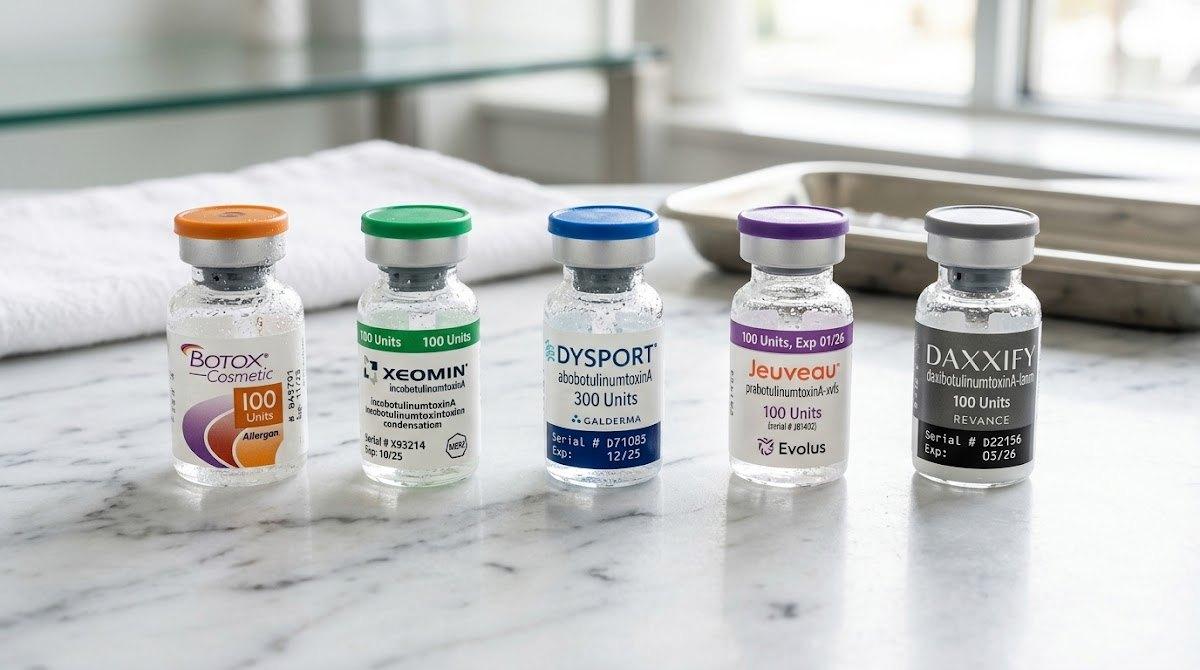
Dysport also works well for many people, though some data suggests it has a higher nAB potential than Botox. Jeuveau is newer, while Daxxify adds another FDA-approved option in the Type A category. Myobloc offers botulinum toxin type B for selected patients when Type A products like Botox become less reliable.
Here’s a simple comparison:
| Product (Serotype) | Complexing Proteins? | Storage | Key Impurities/Notes | Reported Resistance/Response Switch |
|---|---|---|---|---|
| Botox (A) | Yes | 2-8°C, 36mo | 5.8-12.6pg DNA; up to 17% orig. | Baseline; 30% non-responders switch to Xeomin |
| Dysport (A) | Yes (degraded) | 2-8°C, 24mo | Flagellin | Shows higher nAB potential than Botox |
| Xeomin (A) | No | -20-25°C, 36mo | None | Low antigenicity; high success post-Botox failure |
| Jeuveau (A) | Undisclosed | N/A | No impurities | Newer formulation, low risk profile |
| Myobloc (B) | N/A | 2-8°C, 36mo | N/A | Alternative serotype; shorter duration |
Sometimes switching to a different type is not enough on its own. Your provider may also recommend filler or other injectables if certain lines are caused by volume loss rather than muscle pull. For some concerns, dermal filler options can last longer than expected when paired with smart planning.
Neurotoxin therapy also goes beyond cosmetic goals. For patients using treatment for sweating, hyperhidrosis care may involve different patterns, timing, and dose decisions.
And one more note. If you feel your injection failed, avoid guessing. A skilled injector should review whether the issue is product choice, placement, or true Botox resistance before you inject again.
Conclusion
True Botox resistance is rare, especially in cosmetic care. Most treatment failure comes from dosing, timing, product handling, or changes in anatomy, not permanent immunity. If results shift, a thoughtful evaluation matters. The right plan may involve spacing, a treatment break, or switching products to keep results consistent and natural.
Frequently Asked Questions About Can You Become Immune To Botox
Can your body build up a tolerance to Botox?
Yes, but true immunity is rare. Most often, results change because of dose, timing, or injection technique.
Is it possible for Botox to stop working?
Yes. Botox may stop working from neutralizing antibodies or from non-immune factors like poor placement or metabolism.
What do Koreans use instead of Botox?
Many use the same neuromodulators, including Botox-like products, skin treatments, and collagen-focused options depending on the goal.
What does Botox look 20 years after?
When done well, long-term treatment can look smooth and natural-looking. Results depend on dosage, spacing, and your facial anatomy.
What does Botox look 20 years after?
It varies. Good care can soften lines over time, though the aging process still continues.
What do Koreans use instead of Botox?
Another option may include skin boosters, laser treatments, or filler depending on the concern.