
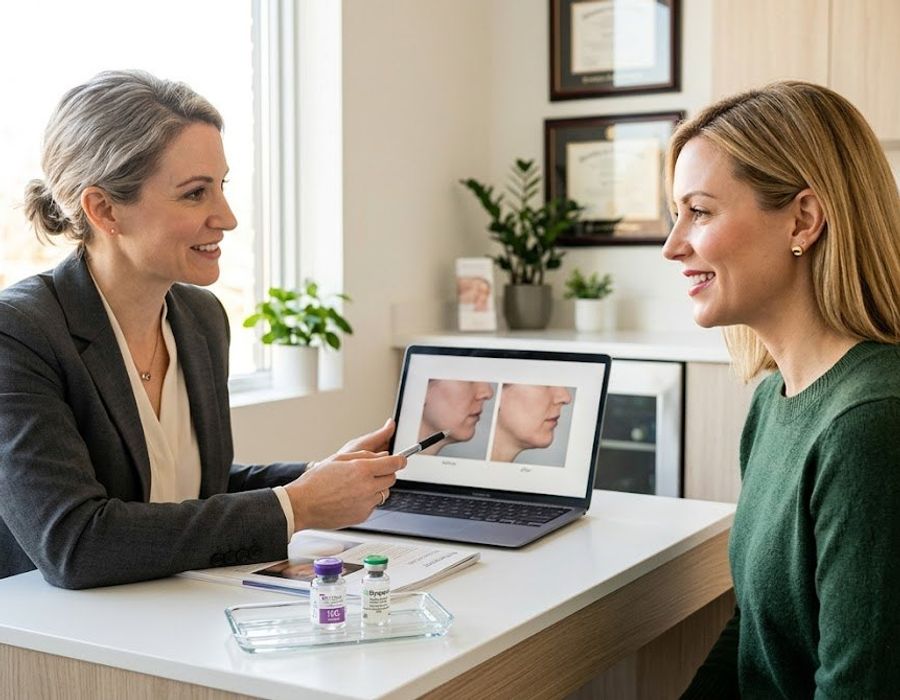
So you're ready to tackle those frown lines. Great. But now comes the real question: Botox vs Dysport? They share the same active ingredient, yet the differences between Botox and Dysport might surprise you.
Let's cut through the noise and help you make an informed decision based on facts, not marketing hype.
Understanding the Key Differences Between Botox and Dysport
Both Botox and Dysport are FDA-approved neurotoxin treatments. They belong to the same family of botulinum toxin type A neuromodulators, and both work by blocking nerve signals to targeted facial muscles.
The result? Smoother skin and fewer dynamic wrinkles caused by repeated facial expressions.
Here's where it gets interesting. Despite sharing the same primary active ingredient, their manufacturing processes differ significantly. Those differences create distinct protein profiles that affect potency, spread, and how quickly you see results.
A quick timeline for context. Botox received FDA approval for therapeutic use back in 1991, then earned its cosmetic approval in 2002.
Dysport came later, gaining FDA approval in 2009. Both have since built impressive track records in dermatology clinics nationwide.
What Is Botox Cosmetic?
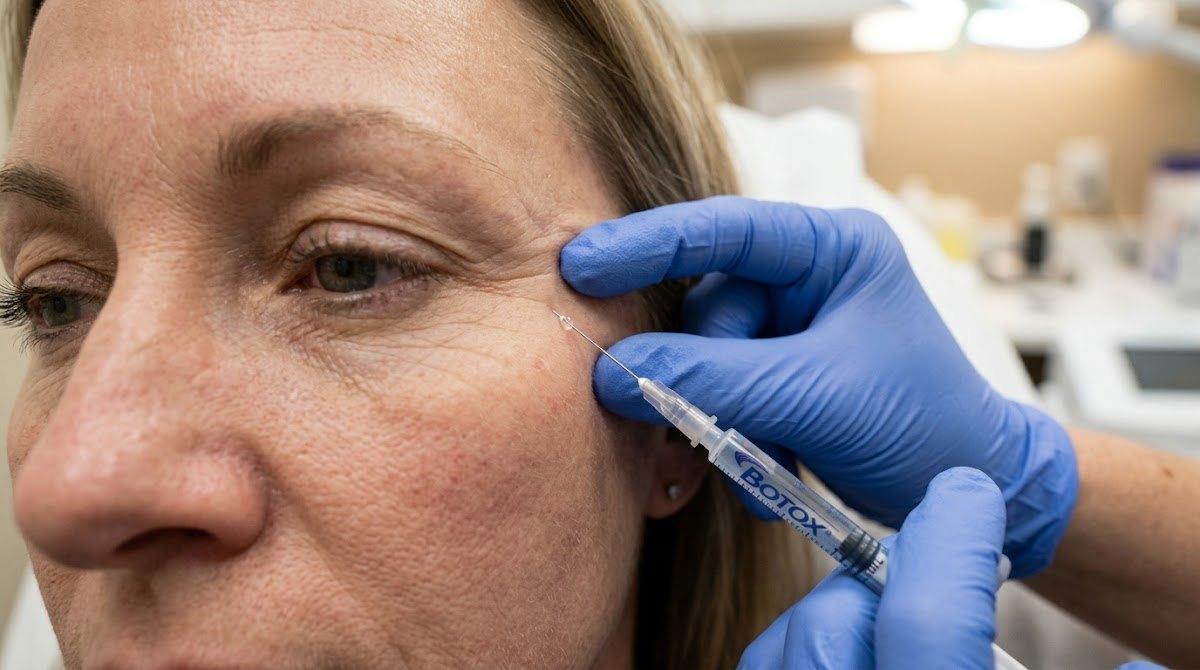
Botox Cosmetic is an injectable treatment containing onabotulinumtoxinA (ONA). It's formulated for highly targeted precision, meaning it stays close to the injection site without migrating to surrounding tissue.
The FDA has approved it for moderate to severe glabellar lines (those vertical lines between the eyebrows), forehead lines, and crow's feet in adults over 18.
Its heavier molecular weight is what keeps the product localized. Think of it as a sharpshooter. Botox works by relaxing specific muscles that cause dynamic wrinkles, giving you control over exactly which areas get treated.
This precision makes Botox injections especially popular for smaller treatment areas where accuracy is everything.
The Evolution of Dysport
Dysport is an injectable treatment containing abobotulinumtoxinA (ABO). It features a higher trace protein content per unit and a notably different molecular structure compared to Botox.
The FDA approved Dysport specifically for moderate to severe lines between the eyebrows. But here's the twist. Dysport tends to diffuse more broadly once injected, thanks to its smaller molecules. This spreading behavior isn't a flaw. It's actually a feature when you're treating larger areas like the forehead.
Dysport is known for covering wider surface areas seamlessly, often requiring fewer needle pokes to achieve smooth, even results.
Exploring the Formulation Differences Between Botox and Dysport
The core difference between Dysport and Botox comes down to trace protein size. These proteins are attached to the botulinum toxin molecule, and they dictate how the product behaves once it's beneath your skin.
Botox tends to stay exactly where your provider places it. That makes it the go-to for precise contouring work, like a brow lift or fine lines around the eyes. You want accuracy? Botox offers that in spades.
Dysport's smaller molecular structure naturally spreads wider from the injection site. For someone considering Dysport for broader regions, this diffusion profile is a genuine advantage. Fewer injections, more coverage. Your provider can smooth out an entire treatment area with remarkable efficiency.
Neither product is "better" in absolute terms. The right choice depends on the area being treated and what you're trying to accomplish.
How Each Injection Works in the Treatment Area
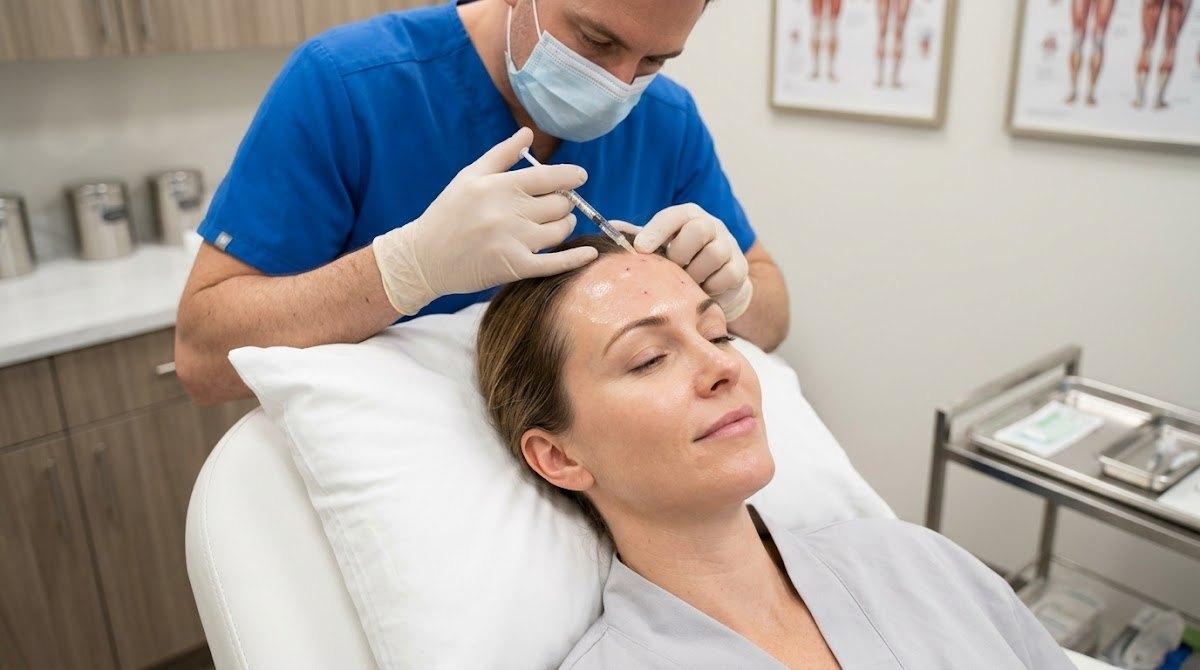
Both treatments are quick, office-based procedures. You're looking at less than 20 minutes, and there's zero required downtime afterward. Walk in on your lunch break, walk out looking the same, and let the results develop over the following days.
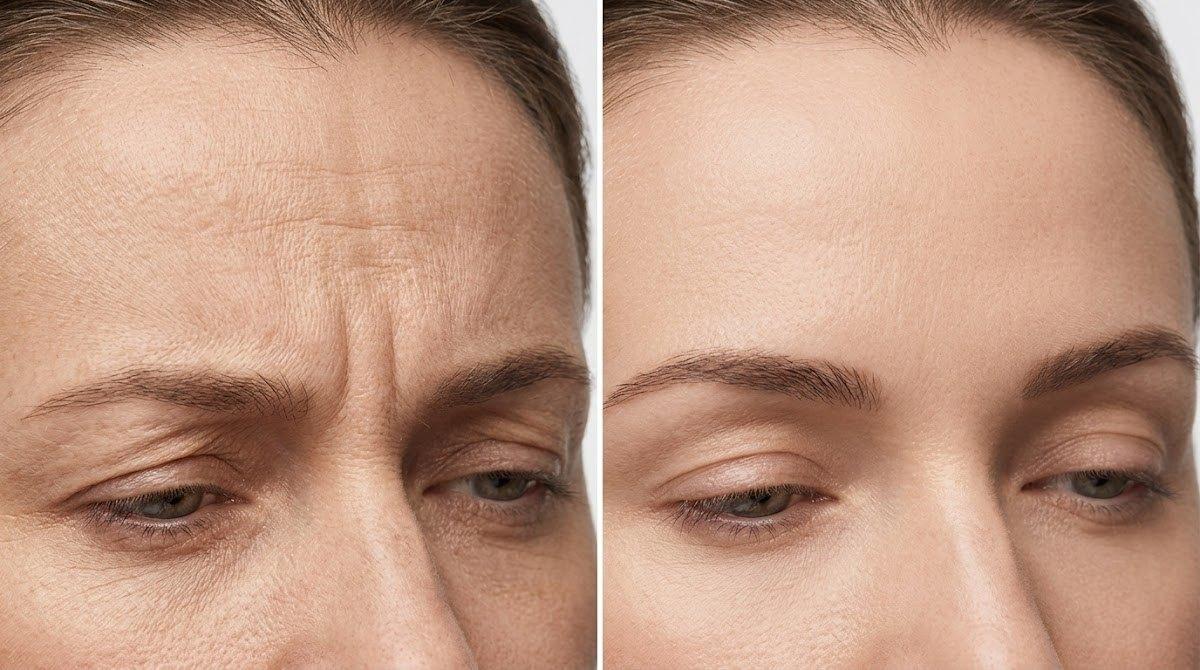
Here's what matters most. Both work proactively. They relax the muscles that cause dynamic wrinkles before those superficial lines become permanently etched into your skin. If you're in your 30s or 40s and starting to notice fine lines and wrinkles deepening with every frown, this preventive approach can preserve a youthful appearance for years.
Common side effects for Botox and Dysport include slight pain, redness, swelling, or bruising at the injection site. These reactions are mild and temporary. One clinical trial even found that Dysport injections may cause significantly less pain during the procedure itself.
Onset and Duration: Key Differences Between Botox Timelines and Dysport
Speed matters when you have an event coming up. And this is where these two products diverge noticeably.
Speed of Onset:
- Dysport works faster, with initial results appearing in just 2 to 3 days.
- Botox typically takes 3 to 7 days for initial onset. Full results may need up to 2 weeks, and sometimes even one month for complete manifestation.
If you need results by Saturday, Dysport might be your better bet.
Duration of Results:
- Both treatments typically last between 3 to 6 months, with most people experiencing results that last 3-4 months on average.
- A manufacturer-sponsored study found Dysport lasted longer for severe forehead lines when using the standard 2.5:1 unit ratio.
- Another trial found no duration difference but noted that complete efficacy was more likely with Dysport (90% versus 75% for Botox).
The duration of results can vary based on your metabolism, muscle strength, and how your body processes the botulinum toxin type A molecules. This is exactly why a personalized treatment plan matters.
Choosing the Right Treatment Area for Your Aesthetic Goals
Selecting between these neurotoxin options isn't a coin flip. It requires a thorough provider assessment of your facial anatomy, skin thickness, and individual aesthetic goals.
Ideal Zones for Botox:
- Smaller, highly targeted areas requiring absolute precision
- Fine lines around the eyes, bunny lines, brow lifts, gummy smiles, and jawline contouring
- Any spot where product migration could cause unwanted effects
Ideal Zones for Dysport:
- Larger surface areas requiring broader, even diffusion
- Expansive forehead lines and severe frown lines
- Areas such as the forehead where treating larger areas with fewer needle pokes is preferred
Dysport is often the preferred choice for smoothing wide expanses of skin. Meanwhile, Botox might make one a better fit when you need surgical-level precision in compact zones. A skilled provider can even combine both products in a single full face balancing session, using each where it performs best.
Cost, Dosages, and the Differences Between Botox Units and Dysport
This is where people get confused. Because unit potencies are tied to preparation-specific assay methods, Dysport and Botox units are never interchangeable. Fifty units of Botox does not equal 50 units of Dysport. Not even close.
Unit Ratios and Dosing:
- The clinical standard ratio is 2.5:1 to 3:1. Roughly 2.5 to 3 Dysport units equal 1 unit of Botox.
- For a standard glabella treatment (those frown lines between your brows), you might need 20 units of Botox across 5 sites, compared to up to 50 units of Dysport to achieve the same effect.
- Botox dosage safety limits cap at 360 units per 3-month period.
The number of units you need depends on the treatment area, muscle mass, and the wrinkle severity you're addressing.
Average Pricing Structure:
- Botox treatments generally range from $300 to $600 per session.
- Dysport treatments average slightly lower, around $400 to $466 per session.
- Neither is covered by insurance for purely cosmetic purposes.
Dysport is typically priced lower per unit, but you'll need more units to achieve comparable results. The total session cost often ends up similar to Botox. Don't let per-unit pricing fool you.
Summary Table of Key Differences
Review this concise breakdown to see how these two leading neuromodulators stack up against each other:
| Aspect | Botox Cosmetic (OnabotulinumtoxinA) | Dysport (AbobotulinumtoxinA) |
|---|---|---|
| FDA Approvals (Cosmetic) | Glabellar lines, forehead lines, crow's feet | Glabellar lines |
| Unit Ratio Equivalency | 1 unit | 2.5 to 3 units |
| Average Onset of Action | 3 to 7 days (full results in 2 weeks) | 2 to 3 days |
| Average Duration | 3 to 6 months | 3 to 6 months |
| Spread & Diffusion Profile | Precise, localized, and highly targeted | Broader diffusion for wider coverage |
| Best Application Match | Small/targeted areas, precise facial contouring | Larger areas (e.g., forehead), faster onset needs |
Achieving Your Cosmetic Goals with the Right Neuromodulator
The optimal choice depends entirely on your individual muscle response, personal metabolism, and specific goals. Some people respond better to one product, some to the other. There's no universal winner, only what's right for you.
Healthy adults in their 30s or 40s seeking to prevent dynamic lines from becoming permanent make exceptional candidates. But neuromodulators like Botox and Dysport aren't only preventive. They're also safe and effective for reducing the appearance of wrinkles and fine lines that have already formed.
Both products deliver natural-looking results when administered properly. The key? Working with a board-certified dermatologist or qualified provider who can assess your facial anatomy and create a personalized treatment plan tailored to your features.
Similar to Botox, Dysport rarely causes serious side effects when administered by trained professionals. The effects of Botox and Dysport treatments are temporary by design, which means you can refine your approach over time. Botox and Dysport use the same mechanism of action, so switching between them or combining them remains a viable strategy.
Ready to figure out which treatment is best for your face? Book a consultation with a provider who can evaluate your unique anatomy and recommend the right path forward. Your future self will thank you.
Wrapping Up: Botox vs Dysport
Both neuromodulators reduce wrinkles effectively, but they behave differently. Dysport tends to spread wider and work faster, while Botox stays precise and localized. Your treatment plan should reflect your anatomy, your wrinkle patterns, and your timeline. A qualified dermatology provider can help you understand which treatment might make one a better fit for maintaining a youthful appearance.
Frequently Asked Questions About Botox vs Dysport
What looks better, Botox or Dysport?
Neither looks inherently "better." Botox delivers precise, targeted results in compact areas. Dysport creates softer, more diffused smoothing across larger treatment areas like the forehead. The best-looking outcome depends on your anatomy and your provider's skill.
Why are Gen Z saying no to Botox?
Some younger adults prefer a fully expressive look and worry about starting injections too early. Others gravitate toward skincare-first approaches. That said, many Gen Z individuals still choose preventive neurotoxin treatments to address early fine lines before they deepen.
Is 20 units of Botox the same as 20 units of Dysport?
No. The notable differences between Botox and Dysport dosing mean you'd need roughly 50 to 60 units of Dysport to match 20 units of Botox. Their unit measurements aren't interchangeable.
How much do you tip for $500 Botox?
Tipping norms in dermatology vary. Many clinics don't expect tips for medical procedures. If tipping is customary at your provider's office, 10% to 20% is a common range, but always check with front desk staff.
Do celebrities use Dysport or Botox?
Both. Celebrities use whichever product their provider recommends based on their specific concerns. Some prefer Dysport for forehead smoothing, while others rely on Botox for targeted areas. Many use both strategically.
What are the downsides of Dysport?
Dysport's broader diffusion can be a disadvantage near smaller, delicate treatment areas where precision matters. It also has a narrower FDA approval scope compared to Botox. Some patients report that results fade slightly faster, though clinical data shows comparable longevity.