

Thinking about Botox often starts with one small question: will I still look like myself? That is the right place to start. Good treatment should soften a wrinkle, not erase your personality.
Let’s walk through the process step by step so your first Botox treatment feels less mysterious and far more manageable.
What Is Botulinum Toxin and Why Are Millions Getting This Nonsurgical Treatment?
Botulinum toxin is a purified protein made by the bacterium Clostridium botulinum. For aesthetics, it works as a neuromodulator, which means it temporarily relaxes targeted facial muscles by blocking nerve signals. In cosmetic use, that softens movement that causes a wrinkle to form and deepen over time.
It was FDA-approved for cosmetic use in 2002, according to this study. Since then, Botox for cosmetic concerns has become one of the most requested nonsurgical treatments in the country.
Why the demand? Because it is fast, non-invasive, and relatively painless. Also, the results can look subtle when an experienced provider knows where to inject, how much to administer, and when to stay conservative.
Think about it this way. Botox does not need to paralyze your face. Used well, it simply reduces excess muscle movement in areas like the forehead, brow, crow’s feet, and frown lines, which can soften the appearance of wrinkles while keeping natural facial expressions.
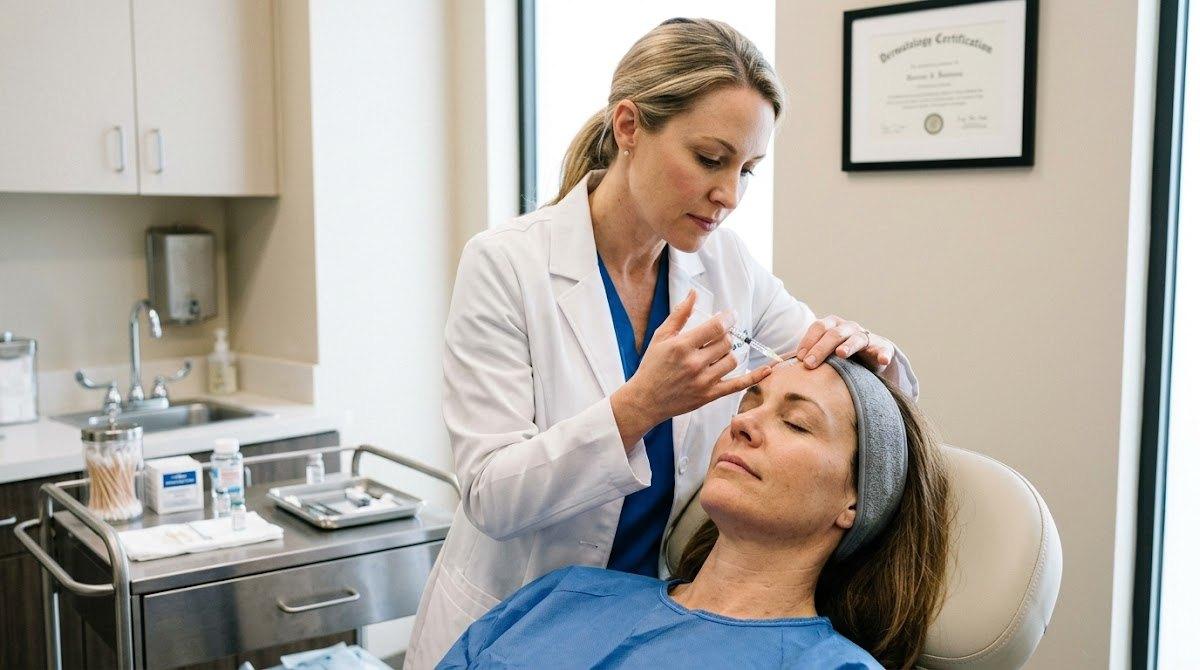
Its appeal is not limited to one group, either. In 2024, more than 10 million people received wrinkle-relaxing injections, a 4% increase year over year. Men made up 6% of those treatments, which shows how mainstream this cosmetic procedure has become.
There is more. Botox is also used to treat medical concerns such as migraine, excessive sweating, and TMJ. If you want a broader overview of neurotoxin options, it helps to understand how these products are used beyond fine lines and wrinkles.
For sweating concerns specifically, our hyperhidrosis care page explains how this same injectable can help maintain comfort in daily life.
How to Prepare: Do's & Don'ts Before You Get Botox
Booking Your Consultation With a Plastic Surgery or Dermatology Expert
Start here. Your provider matters more than any aftercare tip you will read online.
A board-certified dermatologist, skilled injector, or one of the qualified plastic surgeons with deep anatomy training is your safest path. Botox is common, but it is still a medical treatment. It takes knowledge of the skin, muscle layers, nerve pathways, and facial balance to administer it well.
That is why price shopping blindly can backfire. If a deal looks too cheap, ask questions. You want to know who will inject, whether the product is authentic, and how the practice handles safety. Reputable clinics do not cut corners or share vials between patients.
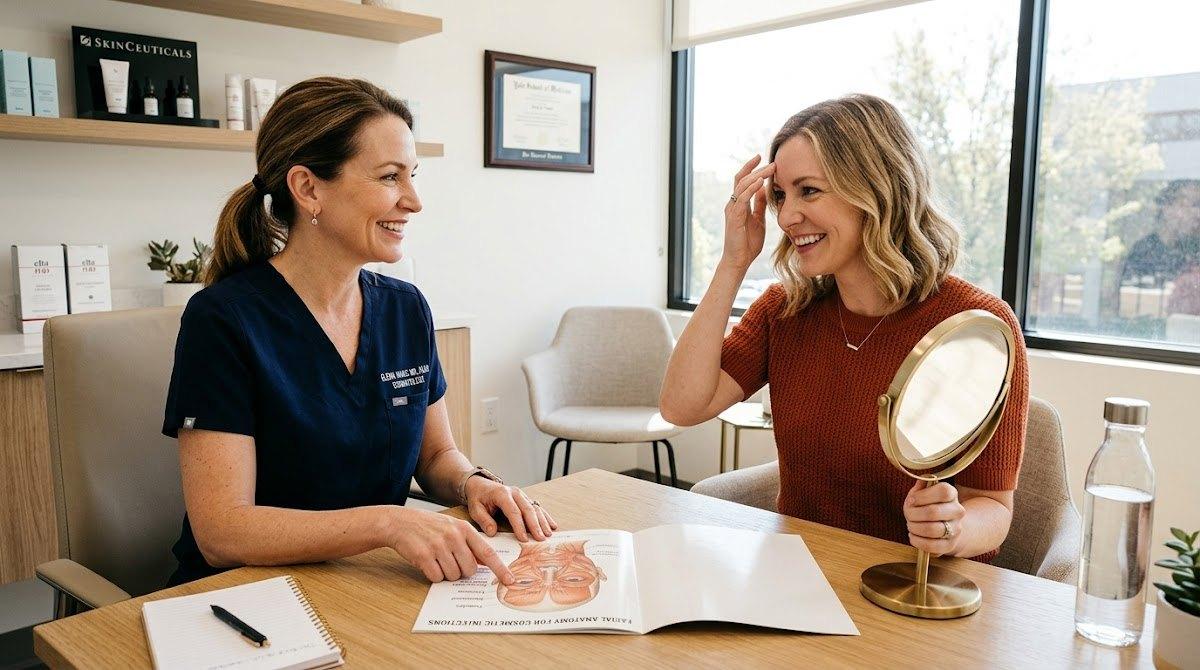
Your consultation should cover more than cost. It should include your medical history, your wrinkle pattern, your age, and your aesthetic goals. For some people, the goal is to soften forehead lines. For others, it is preventing signs of aging before they settle in more deeply.
Budget matters too. Treatment often runs about $100 to $400 per area, and many people return four to six times per year depending on dose, metabolism, and treatment area. Results are different for everyone, so realistic expectations matter from day one.
Here is something many people do not realize. A lid droop or asymmetrical result usually comes down to injector technique, not because you smiled too much afterward. That is one more reason to schedule a consultation with someone who understands every face is unique and knows how to achieve your goals safely.
What to Avoid Before Your First Botox Treatment
Preparation is simple, but it matters.
To reduce the risk of bruising, avoid blood-thinning products for about three days before your Botox appointment if your medical provider says it is safe. That list often includes aspirin, ibuprofen, naproxen, fish oil, and Vitamin E.
Skip alcohol the day before and the day of treatment. It can increase blood flow, raise the chance you bruise, and make swelling at the injection site more likely.
Planning for a wedding, photoshoot, reunion, or work event? Do not book your first treatment the week of. Botox results look settled after 7 to 14 days, so give yourself a cushion. For bigger occasions, a first treatment done 3 to 6 months early gives you time to adjust dose and desired aesthetic if needed.
What to Expect At Your First Appointment: The Injection Process
If you are wondering what to expect at your first appointment, the answer is reassuringly boring. Most visits take 15 to 30 minutes total. The actual injection process usually lasts 10 to 15 minutes.
First, your provider studies your face at rest and in motion. You may be asked to raise your brows, squint, or frown. This helps map how your facial muscles pull and where wrinkle-forming movement is strongest.
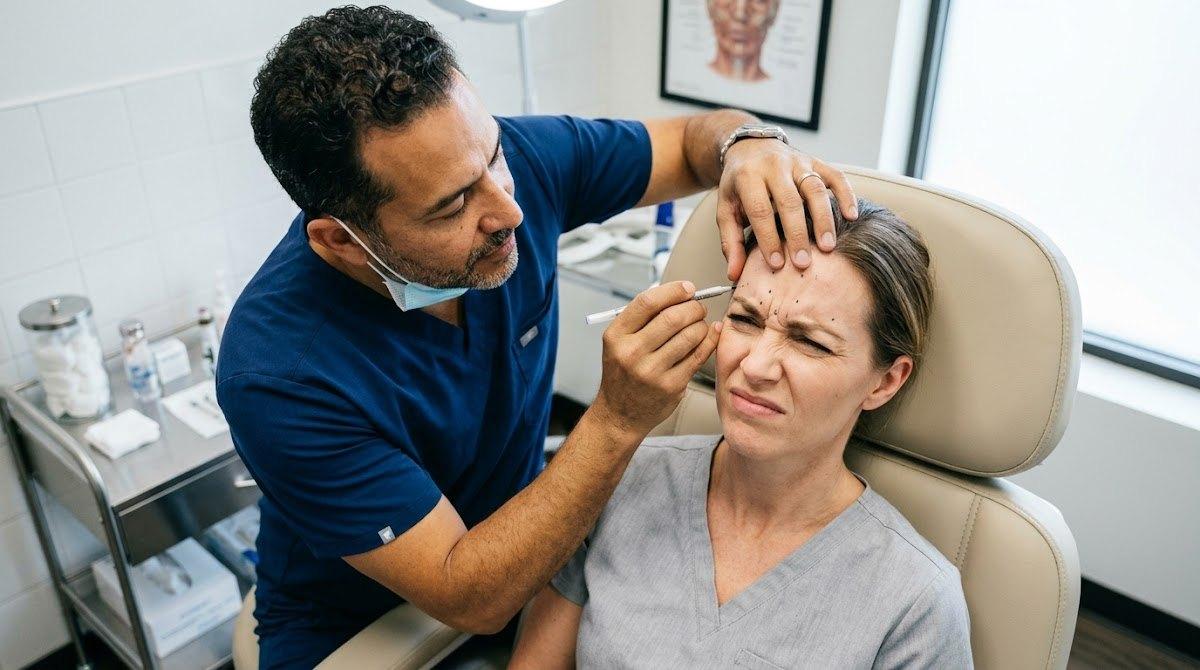
Next comes cleansing and marking. Then the provider will inject small amounts using a fine needle. Most people describe each injection as a quick pinch or tiny bee sting. In other words, this cosmetic procedure is usually far easier than expected.
There is no general downtime. You can usually return to work, errands, or lunch right after your first appointment. That is one reason Botox remains so popular for people who want a youthful appearance without surgery.
Still, keep your expectations grounded. The goal of a smart first Botox plan is often natural-looking improvement, not a frozen forehead. Every face responds a little differently, and a skilled injector will adjust the dose to ensure the best balance between movement and smoothing.
Botox is sometimes discussed alongside dermal fillers, but they do different jobs. Botox relaxes motion-related wrinkles around the eyes and upper face. Fillers add volume. A good provider will explain whether one or both fit your goals.
The Golden Rules of Botox Aftercare: Post-Treatment Do's & Don'ts
Botox aftercare is straightforward. You do not need a long recovery checklist. You do need to follow a few rules.
1. Don't Rub or Massage the Treatment Area
This one matters most. Avoid rubbing or massaging the treated area for 12 to 48 hours. That includes rubbing or massaging the treated skin during cleansing, facials, gua sha, or tight goggles.
Why? The product can spread about half an inch under the skin. Massaging the treated areas can push the toxin into nearby muscles and change results in ways you did not want.
Hold off on facials, microneedling, lasers, and facial massage for 7 to 14 days. Protect the injection site and let the product settle.
2. Do Stay Upright After Your First Botox
Stay upright for 3 to 4 hours after your first Botox. Do not lie flat on the couch, and skip that immediate nap.
That simple habit may reduce unwanted migration. At bedtime, sleeping on your back can help reduce friction. A silk pillowcase is optional, but some people like the smoother feel.
3. Don't Exercise for 24 Hours Following Your Botox Treatment
For the first 24 hours, avoid strenuous activities and intense workouts. Running, heavy lifting, HIIT, and hot yoga can raise circulation and increase the chance of swelling or a bruise.
Heat is another issue. Saunas, steam rooms, very hot showers, and long sun exposure should wait until the next day. If you want post-treatment skin to stay calm, cooler is better.
4. Do Manage Bruising Safely and Keep Skincare Gentle
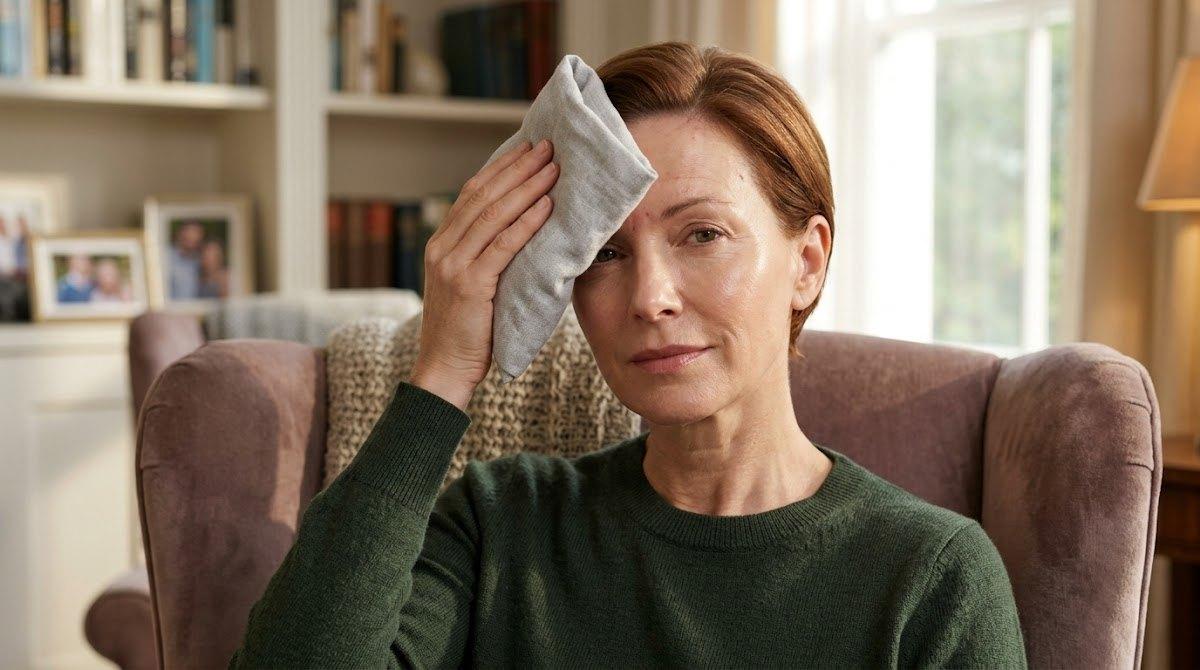
If you have mild soreness or swelling at the injection points, ice can help. Use a towel-wrapped pack for 10 minutes at a time.
You can gently wash your face and apply makeup after about 15 minutes, once the tiny openings have closed. For the rest of the day, skip retinols, strong acids, and salicylates. Hyaluronic acid and mineral SPF are better choices.
Here is the quick version:
| Post-Treatment Don't | Duration to Avoid | Scientific Rationale |
|---|---|---|
| Rubbing/Massaging | 12-48 hours | Prevents unwanted migration and spread into nearby muscles. |
| Lying Down | 3-4 hours | Helps prevent gravity-induced shifting of the product. |
| Heavy Exercise | 24 hours | Limits extra blood flow and bruising. |
| Alcohol & NSAIDs | Day of + 24 hours | Reduces blood thinning and vessel dilation. |
| Heat/Saunas | 24 hours | Helps prevent excess swelling and redness. |
Timeline and Results: Understanding Your Toxin Settling Phase
This part takes patience. Botox does not work the second you leave.
Most people start to notice changes in 3 to 5 days. Full results usually appear in 7 to 14 days. That is your settling phase, when the treated muscles respond and the skin begins to look smoother.
Results usually last 3 to 4 months, though some people get closer to 6 months. Over time, the effects gradually wear off, and muscle activity returns. If you want to help maintain a youthful look and feel, your provider can recommend a schedule that fits your Botox journey.
Normal facial movement is fine after treatment. One study found 68% of participants felt facial exercises sped up onset. Still, follow your provider’s guidance rather than overdoing it.
Not happy at day three? Wait. If results are still not where you want them after two full weeks, check in with your provider for a follow-up. Small refinements are sometimes part of a first Botox treatment.
Navigating Side Effects: What Is Normal After Your First Appointment?
Most side effects are minor and short-lived. Redness, tenderness, a mild headache, or tiny bumps after the injection are common. These usually fade quickly.
Safety data is reassuring. When a board-certified dermatologist performs treatment, fewer than 1 percent of patients experience complications. That is why choosing an expert matters so much.
Rare issues deserve fast attention. Call your provider right away if you notice blurred vision, slurred speech, trouble swallowing, marked brow drop, or anything that feels severe.
There is also a long-term point worth knowing. Higher doses may occasionally travel farther along a nerve than intended. Because of this, conservative dosing and skilled placement remain the best strategy.
If you are considering Botox, the smartest move is not chasing the lowest price. It is finding a provider with strong training, good judgment, and a clear plan for your features. That is what helps you feel informed, safe, and comfortable from the start.
Conclusion
Botox for beginners gets easier once you know the basics. Choose an expert, prepare well, follow aftercare, and give results time to settle. The best Botox treatment is thoughtful, subtle, and tailored to your face. If you are ready to take the next step, book your consultation today with confidence.
Frequently Asked Questions About Botox For Beginners
What should I do before getting Botox for the first time?
Avoid alcohol, ask about NSAIDs, review your medical history, and plan your appointment at least two weeks before a major event.
Can I get Botox if I have lupus?
Possibly, but only after a consultation with your treating physician and injector.
Can I get Botox if I have trigeminal neuralgia?
Maybe. You need a careful medical review first because nerve-related conditions require extra caution.
Can you learn to do Botox on yourself?
No. Botox should only be handled by trained medical professionals.
What is the 4 hour rule after Botox?
Stay upright for four hours after treatment and avoid lying down.
What is the rule of 3 in Botox?
It often refers to waiting about three days for early changes and remembering full results can still take up to two weeks.