
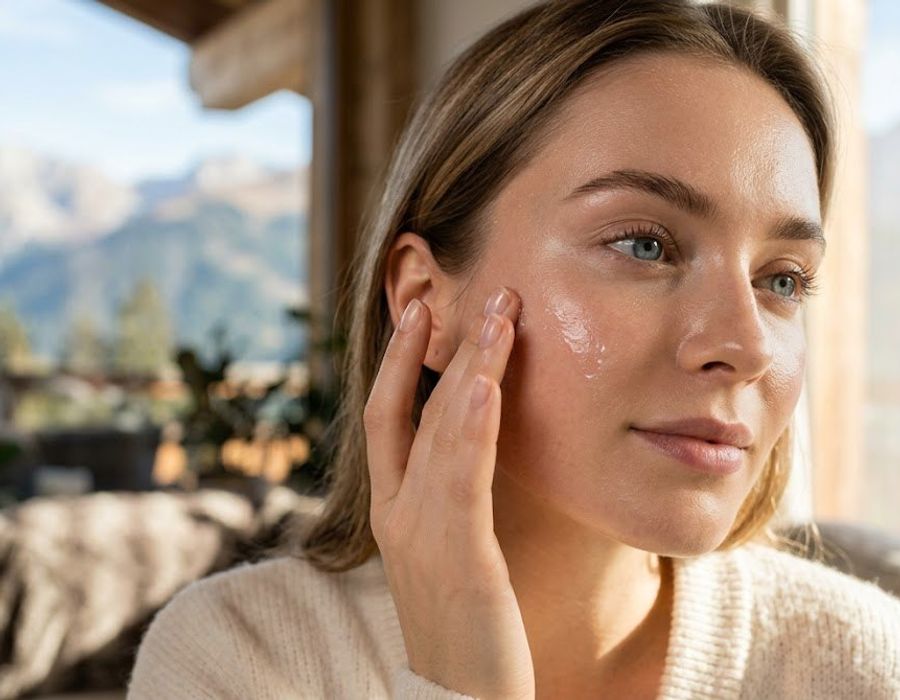
Living in Denver means sunshine, beautiful views, and a climate that asks more from your skin. You may notice dryness, redness, or fine lines faster than expected.
Here’s the good news. With the right skincare routines, smart SPF habits, and targeted hydration, you can keep skin healthy and comfortable.
Why Denver Skin Behaves Differently
Let’s start with the obvious problem.
Denver sits far above sea level, and Denver’s altitude changes how your skin holds water. At high altitude, the air is drier, UV exposure is stronger, and humidity drops fast, especially when indoor heating runs all day.
That combination creates altitude skin. In simple terms, altitude skin is a skin condition pattern caused by dry air, low humidity, intense sun, and faster moisture loss. It can show up as dry skin, dehydrated skin, flakiness, rough skin texture, and more visible fine lines.
Think about it this way.
At sea-level, your skin still loses water, but Denver's altitude and Colorado's high altitude make that process more aggressive. The dry climate pulls moisture from your skin, strips moisture from the surface, and makes natural oils evaporate faster. When humidity drops and the average humidity stays low, your moisture barrier has to work harder.

Then there’s the sun.
UV radiation is stronger in the Mile High environment because UV intensity increases as altitude rises. That means increased UV, more UVB, and greater sun exposure during normal daily life. Even a quick walk, coffee run, or lunch on a patio in Cherry Creek can add up.
Because of this, Denver skincare has to do two jobs at once. It needs to hydrate deeply and protect your skin from UV rays.
What That Looks Like on Your Face
Here’s where many people get stuck.
They assume tightness means they only need a heavier moisturizer. Sometimes that helps. Sometimes it doesn’t, because dehydrated skin and dry skin are not always the same thing.
Dry skin is a skin type that lacks oil. Dehydrated skin is a temporary condition caused by water loss. You can even have oily skin and still be dehydrated.
That’s why altitude skincare should focus on both water and barrier support. If your cleanser is too harsh, or if you use a scrub too often, you can worsen cracked skin, clogged pores, and irritation at the same time.
Common signs of Denver dryness include:
- tightness after cleansing
- dullness or rough skin texture
- flakiness around the nose or mouth
- fine lines that look deeper by afternoon
- redness after sun exposure
- a facial feeling that never lasts long enough
Not fun. But manageable.
The Best At-Home Routine for Denver Altitude Skincare
Good skincare routines do not need to be complicated. They need to be consistent.
Start with a gentle cleanser that does not leave your face squeaky. Clean is good. Stripped is not. Follow with hydrating serums that help restore water before it can evaporate.
A strong serum lineup for high altitude skincare often includes hyaluronic acid, glycerin, and ceramide support. Hyaluronic acid is a moisture-binding ingredient that helps hydrate the skin. Ceramide is a lipid that helps support the moisture barrier and reduce water loss.
After serum, seal it in with a moisturizer. In Denver, a lightweight lotion may not be enough, especially in winter. A rich moisturizer with ceramide can help restore comfort and reduce flakiness when indoor heating and low humidity hit hard.
Then do the step many people still skip.
Use SPF every single morning. Choose broad-spectrum sunscreen with SPF 30 or higher, though SPF 50 often makes sense in the mile-high sun. Mineral sunscreens with zinc oxide are a solid option if your skin type is sensitive. They help protect your skin from UV, UVB, and daily UV exposure.
A simple at-home routine can look like this:
| Time | Step | What to look for |
|---|---|---|
| Morning | Cleanser | Gentle, non-stripping |
| Morning | Serum | Hyaluronic acid, hydrating support |
| Morning | Moisturizer | Barrier support, ceramide |
| Morning | SPF | Broad-spectrum, SPF 50 if needed |
| Night | Cleanser | Removes sunscreen and buildup |
| Night | Serum | Hydration or calming ingredients |
| Night | Moisturizer | Richer texture for overnight repair |
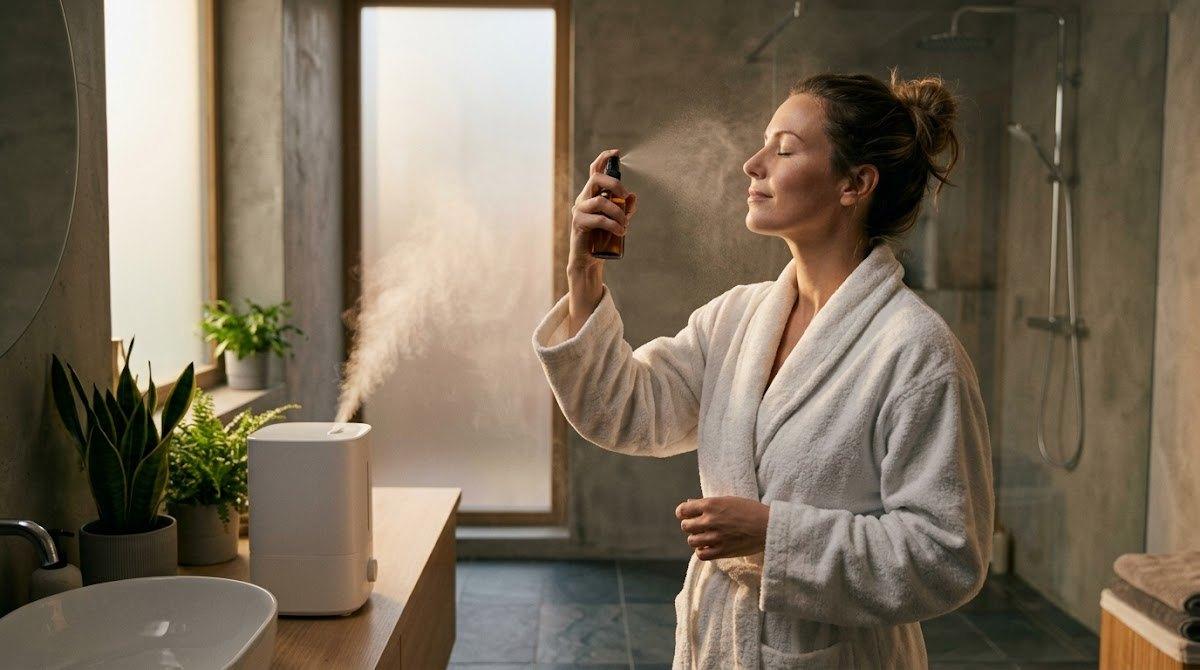
One more thing. A humidifier helps. In a dry climate, a humidifier adds moisture back into the air so your skin does not lose as much overnight.
Ingredients That Matter More in Denver
Not every product earns a place in altitude skincare.
The best skincare products for Denver usually focus on hydration first, then defense. Look for hyaluronic acid, ceramide, squalane, and nourishing formulas that help natural oils do their job. A moisturizer that supports the moisture barrier is often more useful than trendy actives used too often.
Be careful with overuse of exfoliants.
Chemical peels at home, strong acids, and frequent retinoid layering can leave altitude skin reactive if your barrier is already stressed. This is where your skin care routine should match your skin type, the season, and how much intense sun you get.
Here’s the rule.
If your face stings, looks shiny but feels dry, or shows new fine lines fast, focus on hydrate and restore first.
When a Facial Helps More Than Another Product
Sometimes the issue is not your effort. It’s your environment.
A professional facial can give your skin a deeper level of hydration than most at-home products. That matters in Denver Metro, where dry air and high-altitude conditions can make your usual routine feel like it stops working.
One popular option is a HydraFacial . HydraFacial is a multi-step facial treatment that cleanses, exfoliates, extracts, and infuses hydrating serum into the skin. It works well when you want hydration, smoother skin texture, and a refreshed look without downtime.
This kind of facial can be useful if your skin feels dull, congested, or uneven after repeated UV exposure. It can also help before events, travel, or season changes when humidity drops.
At a med spa in Cherry Creek, facial planning should be tailored to your skin type, goals, and how Colorado’s climate affects your face.
Treatments for Sun Damage and Rejuvenation
Hydration is only part of the story.
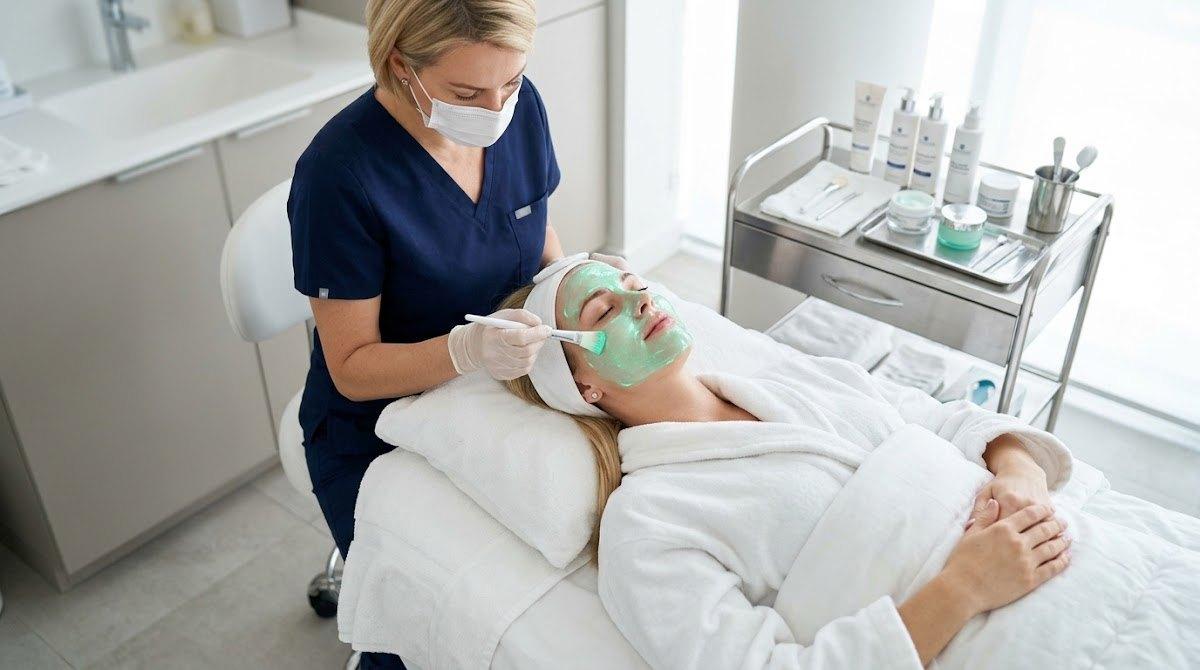
Denver also brings unique challenges from increased UV and stronger UV radiation. Over time, that can show up as sun spots, uneven tone, roughness, and accelerated aging. If that sounds familiar, laser treatments may be part of a broader skin rejuvenation plan.
Laser and light treatments target visible signs of UV damage and support rejuvenation in a more focused way than skincare alone. They are often chosen when daily SPF habits were not enough to prevent long-term sun exposure effects.
Another option is microneedling. Microneedling is a treatment that creates tiny controlled channels in the skin to support collagen and smoother texture. It can help improve skin health, especially when dryness has made the skin look tired.
For volume loss or deeper folds made more noticeable by dehydration, dermal filler may also help. Many fillers use hyaluronic acid, which can attract water and support a softer, refreshed appearance.
Smart Habits That Make a Real Difference
You do not need a 12-step routine. You need better habits.
Try these:
- use a humidifier in your bedroom
- reapply SPF during long outdoor days
- switch to a richer moisturizer in winter
- avoid over-cleansing after workouts
- keep hydrating serums in rotation
- book professional treatments when your skin stalls
And yes, protect your skin even on cloudy days. UV intensity does not disappear just because the weather looks mild.
Conclusion
Denver skincare works best when it respects the climate. Focus on hydration, barrier repair, and daily SPF. Choose a gentle cleanser, a proven serum, and a moisturizer that can handle dry air. When your routine needs backup, a targeted facial or med spa treatment can help restore comfort, clarity, and healthy-looking skin.
Frequently Asked Questions About Denver Altitude Skincare Treatments
Why does my skin feel drier in Denver?
Denver has low humidity, dry air, and stronger UV, which can increase water loss.
What is altitude skincare?
Altitude skincare is a skincare approach designed for high altitude, dryness, and stronger sun.
Is HydraFacial good for dry skin?
Yes. It can hydrate, smooth, and refresh tired skin.
Do I need SPF every day in Denver?
Yes. Daily SPF helps protect against UV radiation and sun damage.
Can oily skin still be dehydrated?
Yes. Oily skin can still lack water and feel tight.
Will a humidifier help my face?
Yes. A humidifier can help reduce overnight dryness.
When should I consider chemical peels?
When texture, dullness, or uneven tone need more support than skincare alone.
Are professional skin treatments worth it?
They can be, especially when at-home care is not enough.