
The question is not simply whether you are too young for Botox. The real question is whether your skin, facial movement, and long-term goals make you a good match for a conservative plan.
Let’s get into it. We will look at the science, the age milestones, and the practical side of start Botox decisions.
Decoding the Trend: What Is Preventative Botox?
“preventative Botox” is a cosmetic treatment that uses small amounts of botulinum toxin before a wrinkle becomes deeply set. The goal is simple. Reduce repeated muscle movement early, so lines form more slowly.
Think about it this way. Dynamic wrinkles show up when your facial muscles move. You frown, squint, raise your brow, or smile. Over time, those muscle contractions can leave visible lines behind, even when your face is at rest.
Preventative Botox targets that stage. Regular Botox usually steps in later, when lines and wrinkles are already etched into the skin.
Preventative Botox vs. Regular Botox: Knowing the Difference
Here is the clean distinction.
Preventative Botox is used on faint lines. It helps prevent wrinkles before they even become deep wrinkles. Regular Botox focuses on softening existing deep lines and static creases.
So yes, both are Botox treatments. But the timing is different.
- Preventative: treat early movement patterns and fine lines
- Corrective: treat wrinkles that stay visible at rest
- Core difference: one aims to stop wrinkles, the other aims to treat wrinkles that are already there
If you are exploring neurotoxin options , this difference matters. It shapes the dose, placement, and long-term plan.
Breaking the Habit: How Neurotoxins Prevent Wrinkles
Botox is a neurotoxin. More specifically, Botox is injected into specific areas to block the nerve signal that tells a muscle to move. When muscles contract less, the skin above them folds less often. That helps prevent deep crease formation.
Here’s the thing about preventative care. It is not only about today’s wrinkle. It is also about habit change.
Repeated frowning, squinting, and forehead movement can train lines into the skin. A carefully placed Botox injection can weaken those patterns over time and relax your facial muscles without freezing your expression. The goal is subtle rejuvenation, not stiffness.

There is also evidence behind the trend. A twin study often cited by the Cleveland Clinic followed one twin using Botox over many years while the other did not. The treated twin showed fewer crow’s feet and less visible aging. That does not mean everyone should start early. It does show how repeated treatment can reduce muscle activity and slow wrinkle development.
Deciding on Getting Preventative Botox: Ideal Age and Milestones
Let’s answer the big question. What is the right age to start?
There is no magic number. Age matters, but it is not the whole story. Your genetics, sun exposure, skin care routine, and how strongly your facial muscles move often matter more.
Is 20s the New Golden Era for Cosmetic Injectables?
For many people, the mid-to-late 20s is the first realistic window to assess early signs of aging. Under 20 is usually too young for Botox for cosmetic reasons because facial development should be complete first.
That is why so much conversation centers on Botox in your 20s. It is less about chasing perfection and more about watching for faint lines that remain after your face relaxes.
Preventative Botox in your 20s may be a good candidate approach if you already see forehead lines, frown lines, or lines around the eyes at rest.
The Rising Appeal of Botox in Your 20s
Why are more people thinking about getting Botox earlier?
Because starting around age 25 can help highly expressive faces prevent deep wrinkles later. People who start getting preventative treatment sooner may need fewer treatments or lower doses of Botox over time.
Using Botox early can also mean smaller, more precise injection plans. In many cases, that creates smoother skin while keeping natural movement. If you are thinking about start preventative Botox, the key is restraint.
Not everyone in their 20s needs injectables. If you have no lines at rest, the better move may be sunscreen every day, strong skin care, and habits that help prevent sun damage.
Transitioning to Skin Maintenance in Your 30s
Your 30s often bring a different goal. Collagen starts to decline, so wrinkles and fine lines can look more obvious. At that point, prevention shifts into maintenance.
In your 30s, Botox can be used to reduce movement in targeted spots while addressing noticeable signs of aging. The plan may still be conservative, but regular Botox can become more useful if static lines are already present.
Assessing Your Skin Condition in Your 20s or 30s
A better question than age is this: what is your skin doing?
If faint lines stay visible when your face is relaxed, that is often the age to start considering treatment. If you have a family history of forehead wrinkles or early frown patterns, you may want to consider Botox sooner.

If you are in your 20s or 30s, look at your face at rest in natural light. That simple check tells you more than a birthday does.
| Skin Indicator | Action Plan in Your 20s | Action Plan in Your 30s |
|---|---|---|
| No Lines at Rest | Focus on medical-grade skincare, wear sunscreen, and stay hydrated. | Consider low-dose treatment only if highly expressive. |
| Faint Lines at Rest | Begin low-dose preventative Botox injections to halt progression. | Use standard preventative dosing to smooth movement. |
| Etched-in Creases | A standard cosmetic injection may help treat wrinkles early. | Pair treatment with dermal fillers or resurfacing when needed. |
When to Seriously Consider Botox for Aging Gracefully
So when should you seriously consider Botox?
Usually when dynamic wrinkles start lingering at rest, or when early signs become easier to see in photos, makeup, or bright light.
Common areas of the face include:
- The glabella, or elevens between the brows
- The forehead for forehead wrinkles and horizontal lines
- The outer eye area for crow’s feet
- Specific areas in the lower face in select cases
The glabella is a common starting point because strong frown habits can make you appear older or tense. Forehead lines are also common, especially if you lift your brow often. For lower-face concerns such as smile lines, some people are better served by filler. More on that supports a tailored approach.
What to Expect When Getting Preventative Injections
Getting preventative Botox is usually quick. Most visits take 10 to 30 minutes.
First, the injector watches how your muscles move. You may be asked to frown, raise your eyebrows, or squint. Then small amounts are placed where they can reduce muscle activity without flattening your expression.
Botox injection appointments are often easier than people expect. Botox is injected with a very fine needle, and each injection is brief.
Afterward, follow basic post-care:
- Keep your head upright for 4 hours
- Avoid rubbing the treated spots
- Skip hard workouts and intense heat the same day
- Expect small bumps or mild bruising that fade fast
What is the 4 hour rule for Botox? It is a simple aftercare step meant to lower the chance of product migration after injection.
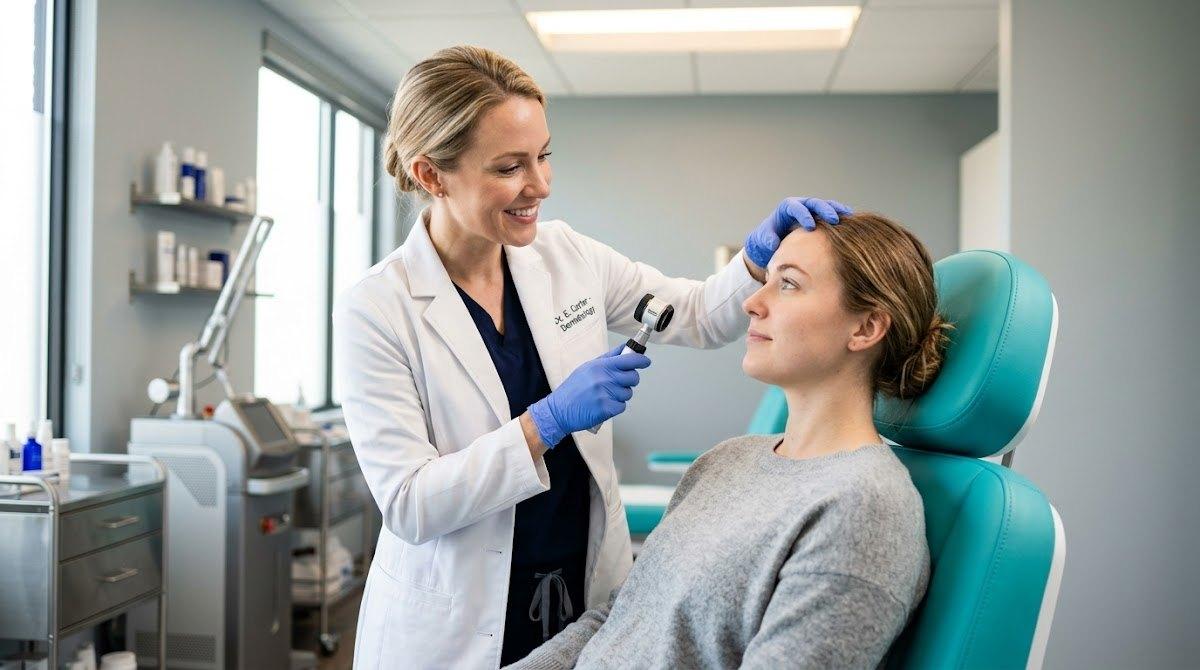
Results often appear within 4 to 7 days and usually last 3 to 4 months. So, how often should you get touched up? Most people return 2 to 4 times per year, depending on muscle strength and treatment goals.
Maximizing the Value of Your Botox Treatments
Let’s talk cost, brands, and safety.
Preventative Botox is often priced by area or unit. Many sessions fall between $400 and $700, with average pricing often around $500 per area, according to pricing reviews . Prices vary by injector experience and treatment plan.
The cheaper option is not always the smarter one. If someone offers bargain Botox treatments, ask who will inject, what product is being used, and whether the setting is a medical cosmetic center. A board-certified dermatologist, trained injector, or provider with a strong dermatology background is the safer bet.
Brand options may include:
- Botox®
- Dysport®
- Xeomin®
- Jeuveau®
Each works a bit differently, but all fall under the neurotoxin category. If you are unsure which fits your skin concerns, a private consultation can help.
Also, remember this. Botox does not replace good habits. Wear sunscreen, help prevent sun damage, and use sunscreen every day. Those steps protect collagen and slow the signs of aging just as much as smart injectables.
Conclusion
Preventative Botox works best when it is timed to your skin, not just your age. For many people, that means the mid-to-late 20s or early 30s, when faint lines first appear at rest. A personalized plan can prevent wrinkles, treat wrinkles conservatively, and support a natural, youthful look without overdoing it.
Frequently Asked Questions About Preventative Botox Too Young
Is 25 too young for preventative Botox?
Not always. If early lines form at rest, 25 can be a reasonable time to start getting preventative care.
Why are Gen Z saying no to Botox?
Some prefer skin-first routines, subtle cosmetic treatment plans, or want to avoid unnecessary injection use.
What is the 4 hour rule for Botox?
Stay upright for four hours after treatment and avoid rubbing the area.
Can preventative Botox age you?
Not when done well. Overdone treatment can look unnatural, but careful placement should not make you appear older.
Why is Gen Z saying no to Botox?
Many want a softer, less polished look and prefer to delay getting wrinkles treatment until there are clearer signs.
What do Koreans use instead of Botox?
Many focus on skin care, sunscreen, lasers, and treatments for dark circles or texture before choosing injectables.