

Lip filler can look simple from the outside. Book, treat, heal, done.
But a great result depends on much more than wanting fuller lips. This guide explains what your injector reviews before treatment, from health and anatomy to goals and safety.
Understanding Lip Augmentation: Are You a Good Candidate for Lip Fillers?
Let’s start with the big picture. Lip augmentation is not one-size-fits-all.
A good candidate for lip fillers is someone in solid health, with clear goals and healthy skin around the mouth. Ideal candidates are generally healthy, and non-smokers are often good candidates because healing tends to be smoother.
Age matters too. Per the FDA guide , FDA-approved lip filler products are for adults 21 and older.
Some issues pause or rule out treatment. That includes active oral infections, an active cold sore, severe allergies, a bleeding disorder, or inflammatory skin flare-ups near the lip. If you are pregnant or breastfeeding, or if you are among pregnant or breastfeeding women avoiding elective injectables, treatment should wait.
Here’s the quick version:
| Candidacy Factor | Requirement / Status |
|---|---|
| Minimum Age | 21 years old |
| Physical Health | Generally healthy with a positive outlook |
| Smoking Status | Non-smoker preferred |
| Local Contraindications | No active cold sores, canker sores, or infections |
| Systemic Conditions | No active inflammatory flare-ups or bleeding issues |
If you are wondering whether you are a good candidate for lip, start with safety first. A proper consultation helps confirm if you are a candidate for lip fillers now, later, or not at all.
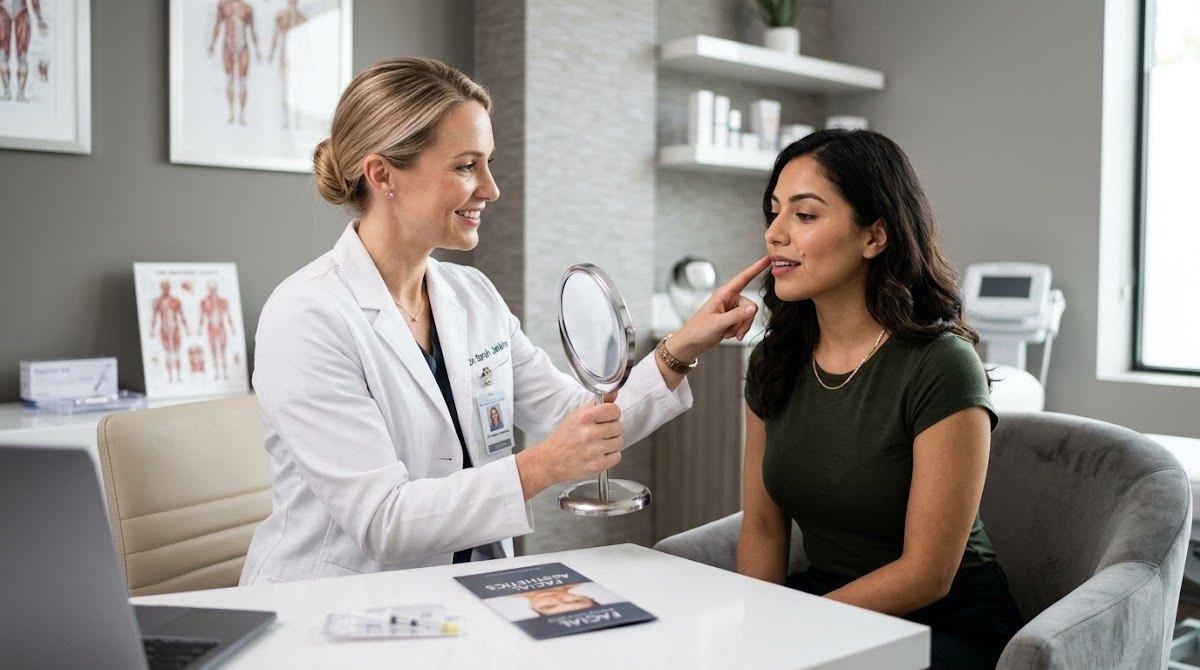
Behind the Scenes: What We Evaluate During Your Lip Filler Consultation
This part matters more than most people think. Your consultation is not small talk. It is a medical review.
Your injector will ask about your medical history, medications, supplements, and past reactions. Be specific. Blood thinners, herbs, antivirals, and products containing lidocaine can all affect planning.
They also look at motivation. Good candidates usually want subtle enhancement, not a total attempt to change your appearance or make you look like someone else. If outside pressure is driving the decision, that is a red flag.
Then comes anatomy. Your provider studies facial structure, symmetry, lip volume, the upper lip, the lip line, and the shape of your lips. They may assess how much support your tissue has and which areas of your lips need volume and definition.
This is also where realistic expectations get built. Celebrity photos can show style, but they cannot override your anatomy. Your injector uses your aesthetic goals to determine what can safely achieve the desired look.
Want to learn more about broader filler options before your visit? Our dermal filler page gives a helpful overview.
Setting Realistic Expectations for Your Lip Enhancement Journey
Here’s where many people get tripped up. Lip fillers provide flexibility, but they do not rewrite anatomy.
Common reasons to get lip fillers include restoring lost volume, balancing asymmetry, softening fine lines around your mouth, or aiming to achieve a more youthful look. Lip fillers can enhance your natural beauty when the plan respects your features.
A dermal filler used in the lips is often made from synthetic hyaluronic acid. Hyaluronic acid is a naturally occurring substance in your body, and hyaluronic acid is a naturally hydrating material naturally found in the body. That is why hyaluronic acid fillers are popular. They use a gel to plump the lips and add volume to naturally thin lips in a controlled way.
According to ASPS statistics , this type of filler remains a common choice. Results may vary based on tissue quality, movement, and the type of filler used.
Think about it this way. Fillers can make your lips look fuller, but they should still look like your lips. The goal is natural-looking results, not stiffness.

Comparing Your Options: Temporary Lip Filler vs. Permanent Augmentation
Lip fillers are injectable treatments, and they are minimally invasive compared with surgery. For many good candidates, that makes them the easiest starting point.
Still, they are not the only option.
| Feature | Hyaluronic Acid Fillers | Surgical Lip Implants | Autologous Fat Grafting |
|---|---|---|---|
| Permanence | Temporary, 6 to 18 months | Permanent | Semi-permanent, 5+ years |
| Materials Used | Hyaluronic acid gel | Silicone or PTFE | Your own fat |
| Procedure Time | 15 to 30 minutes | Varies | 60 to 90 minutes |
| Reversible? | Yes | No | Very difficult |
| Primary Benefit | Precise, low downtime | Long-term option | Natural tissue |
Lip implants may suit a small group with stable goals and enough natural tissue. Fat transfer can add volume too, but it is harder to control and harder to reverse.
For most first-timers, lip filler makes sense because the enhancement is adjustable. If needed, filler can be reversed using an enzyme called hyaluronidase .
The Lip Filler Appointment: What to Expect During Your Injection
A lip filler appointment is usually straightforward. Still, it helps to know the steps.
First, lips will be cleansed. Then a topical numbing cream or another numbing agent is applied. Topical numbing helps reduce discomfort, and some patients receive a dental block instead. After that, your injector maps the lip carefully.
During the injection, you may feel a slight pinch or pressure. In fact, many people say they may feel a slight pinch, then mild pressure as the product is placed. Most sessions use about 1 mL to add volume in your lips and give your lips better balance.
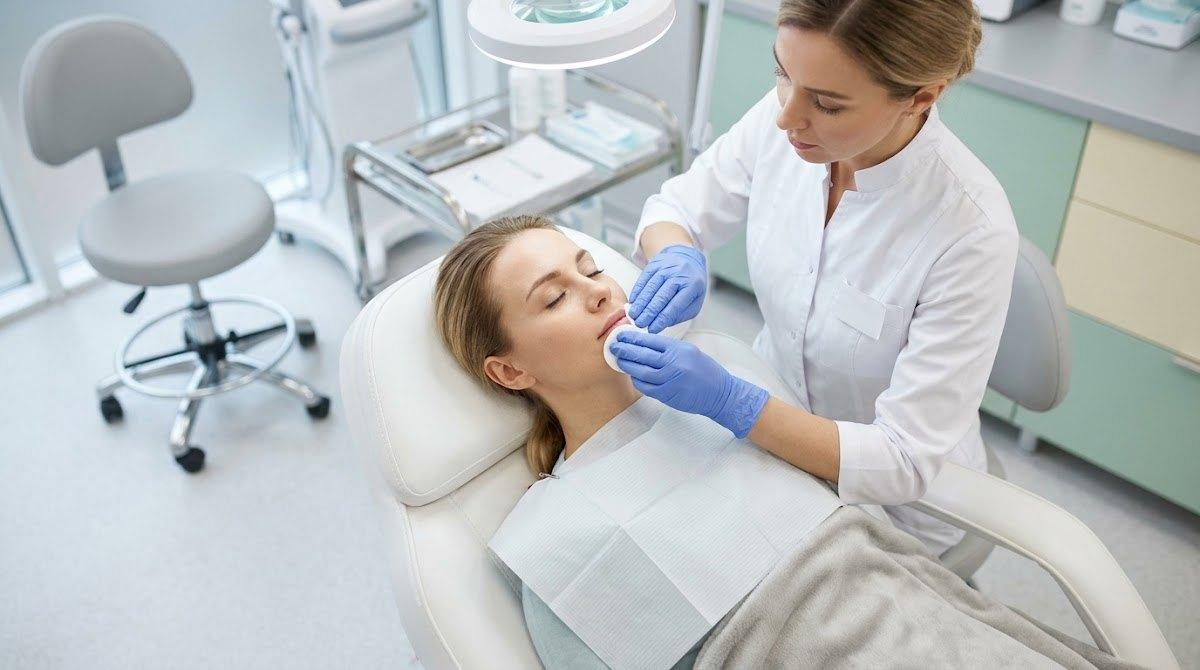
Your provider may target the border, Cupid’s bow, or corners depending on your desired look. Lip injections should make your lips more defined, not overfilled.
Recovery and Aftercare: Protecting Your New Lip Enhancement
The first day matters. A lot.
Common side effects include tenderness, bruising and swelling, and a small bruise at injection sites. These usually resolve within a few days, though deeper swelling can take longer.
For the first 24 hours, avoid alcohol, smoking, kissing, straws, lipstick, heat, and hard exercise. Eat carefully once the numbing fades. Most people feel back to normal within a few days, but the final results of lip filler settle around two weeks.
If you have a history of cold sore outbreaks, your injector may discuss potential antiviral prevention before treatment.
Safety, Risks, and the Importance of a Qualified Injector
Lip filler is still medical care. That is the key point.
Possible risks include asymmetry, migration, infection, and vascular compromise. Skilled practitioners know how to spot trouble fast and treat it. Good candidates should also understand that lip fillers can enhance, but every injection carries risk.
This is why qualifications matter so much. An excellent candidate still needs an expert injector to achieve your beauty goals, enhance your natural beauty, and help you achieve your beauty goals with a safe plan.
Conclusion
Being a good candidate for lip fillers depends on health, anatomy, timing, and goals. The safest path starts with an honest consultation and a provider who values balance over excess. When the plan fits your features, lip filler can add volume, support a youthful look, and create natural-looking enhancement that feels right.
Frequently Asked Questions About Good Candidate Lip Filler
Who is a good candidate for lip fillers?
Good candidates are healthy adults with clear goals, no active infection, and realistic expectations about the results.
Can I get fillers with Hashimoto's?
Sometimes, yes. Your injector should review your condition, medications, and overall stability first.
How much valacyclovir to take before lip injections?
Your prescriber decides this. Follow your provider’s exact instructions before lip injections.
Can I use tretinoin before lip fillers?
Often yes, but avoid irritated skin near the lip and follow pre-care instructions.
Can I kiss 1 week after lip fillers?
Usually yes, if swelling has settled and healing is going well.
Is it better to get 0.5 or 1 mL lip fillers?
It depends on your starting point, type of filler, and aesthetic goals. For subtle lip enhancement, 0.5 mL can be enough.